
Rubio says Iran seeks talks but is not ready for a deal
The secretary of state said Washington’s goal remains a denuclearised Iran as US strikes and Iranian retaliation continue.
By Daniel Okafor · Business Editor
3 min read
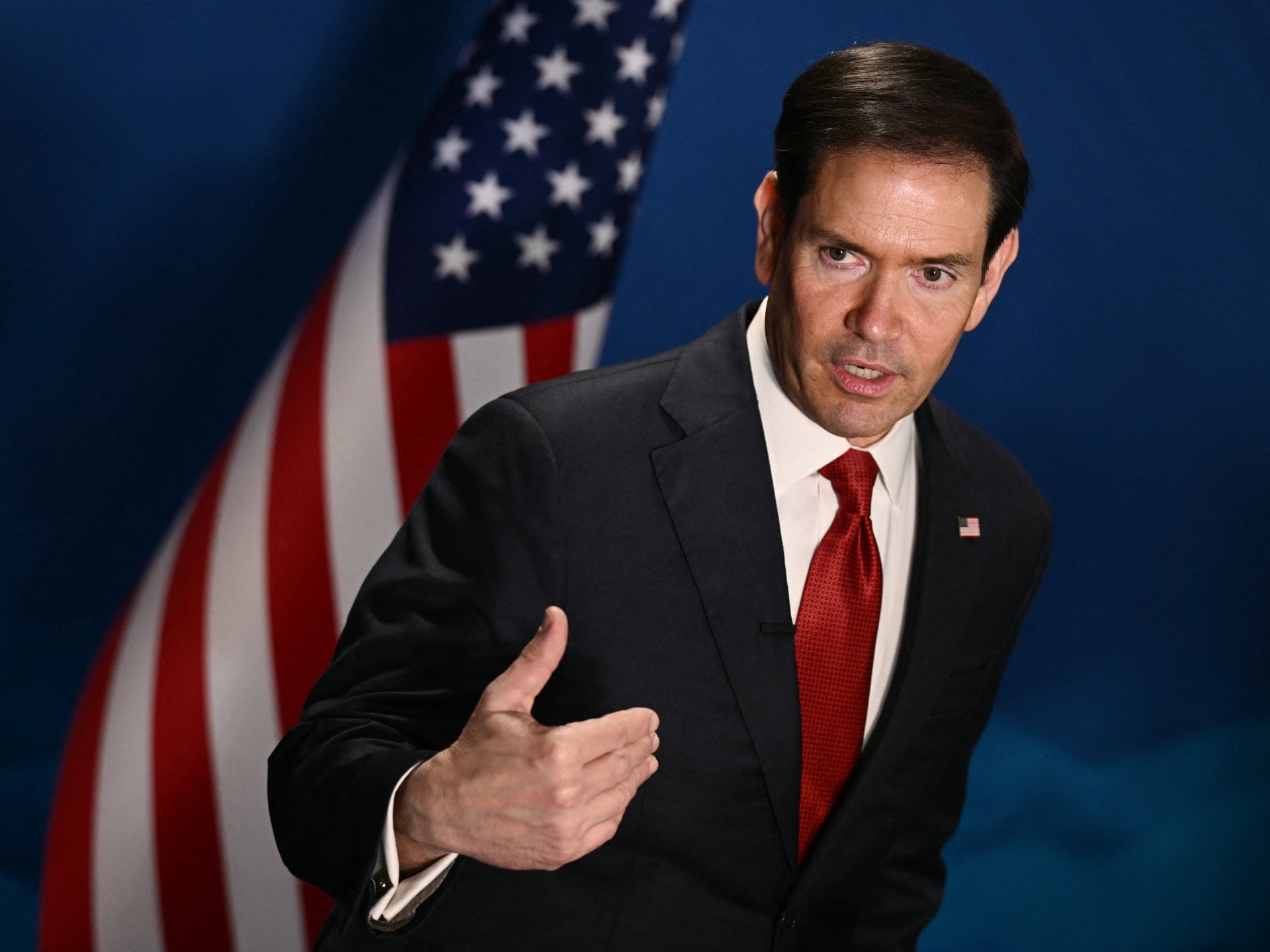
US Secretary of State Marco Rubio said Iran is pressing Washington for negotiations but is not prepared to accept an agreement, signaling no near breakthrough as the conflict continues. His remarks came as the United States has carried out nightly strikes on Iran and Tehran has responded with attacks on US military assets in the Middle East.
Rubio spoke to reporters on Thursday on the sidelines of a meeting of foreign ministers from the Association of Southeast Asian Nations in Manila, Philippines. He said Iran had approached the US through both direct and indirect channels to seek talks, but accused Tehran’s leaders of failing to honor or preserve agreements.
Rubio said Iran would keep facing costs if it did not make a deal. He described the country as led by “radical clerics” and accused its leadership of spending money on regional allies and armed groups instead of addressing domestic economic problems.
According to Rubio, Iran could be the wealthiest country in the Middle East if its leaders chose a different policy. He said Tehran provides funds to Hezbollah, Hamas, the Houthis and Shia militias, referring to groups aligned with or supported by Iran across the region.
Asked about Iranian officials describing their stance toward the US as “an eye for an eye,” Rubio said President Donald Trump’s approach was “a head for an eye.” He said Iran was already paying a heavy price and claimed its industrial infrastructure was being damaged on a large scale, with losses in the billions of dollars.
Rubio said Washington’s main objective remains preventing Iran from obtaining a nuclear weapon. He described a nuclear-armed Iran as the central threat and said the US would not allow it to happen.
The secretary of state also said Russia was not helping Iran with its weapons programmes. He said Yemen’s Houthi movement had been drawn in by Iran to target shipping linked to Saudi Arabia, after earlier avoiding direct involvement in the conflict, and said he hoped the group would stop.
Strikes and counterattacks continue
The US and Iran signed a memorandum of understanding last month, but Tehran says Washington has repeatedly violated it. Both sides have indicated that the arrangement is effectively over.
Al Jazeera reported that the US has launched strikes on Iran for the past 12 nights. Washington says the attacks are intended to reduce Iran’s ability to target vessels in regional waters, while Tehran says civilian infrastructure has been hit.
The latest strikes hit the passenger terminal at the Shalamcheh border crossing with Iraq, killing two people and injuring others, according to the report. Iran has responded by attacking US military assets across the Middle East.
Iranian Foreign Ministry spokesperson Esmaeil Baghaei rejected US justifications for attacks on infrastructure in a post on X on Thursday. He said strikes on bridges and power plants amount to unlawful reprisal and collective punishment under international humanitarian law.
Baghaei also argued that following orders does not protect those who carry out unlawful attacks from criminal liability, citing the US War Crimes Act and military legal rules. He said Iran would stand against lawlessness.
Zeidon Alkinani, founding director of the Arab Perspectives Institute, told Al Jazeera that Iran and the US were using similar rhetoric. He said both sides say they want an agreement while accusing the other of lacking seriousness, and that reciprocal attacks are likely to continue alongside the conflict.
Alkinani also said the Houthis’ recent public silence on Iran could suggest the group is reassessing its position. He said Rubio’s comments may point to a US willingness to negotiate with the Houthis if the group seeks an arrangement separate from Tehran.
This story draws on original reporting from Al Jazeera.