
Quake response strains Venezuela’s acting government
Back-to-back earthquakes have killed at least 1,719 people, according to Venezuela’s government, as residents and critics fault a slow rescue effort.
By Sofia Marchetti · World Affairs Correspondent
3 min read
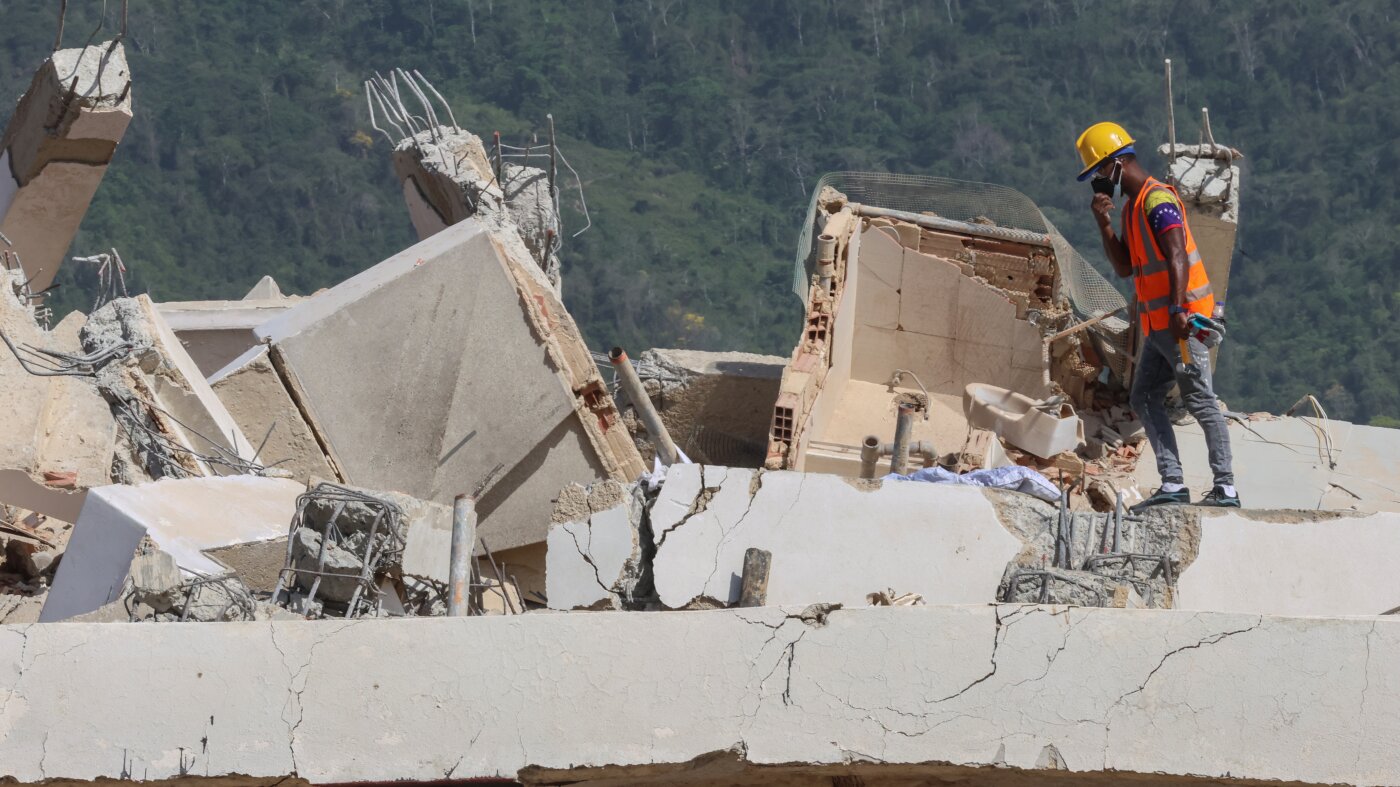
Venezuela’s acting government is under growing pressure after twin earthquakes devastated parts of the Caribbean coast and killed at least 1,719 people, according to government figures cited by NPR. In hard-hit La Guaira state, residents say slow official action has forced volunteers to search ruins, recover bodies and pay for equipment themselves.
NPR reported from Los Corales, where a 12-story building collapsed during last week’s quakes. A government backhoe operator did not arrive, so residents collected donations to hire one, according to NPR’s account from the scene.
Rosalia Bustamante, who lost friends in the collapse, told NPR that people trapped in the rubble had been answering rescue calls before they later died. Neighborhood volunteers have pulled more than a dozen bodies from the building, NPR reported, but they have lacked body bags and refrigerated storage in tropical heat.
The government has said La Guaira suffered the worst damage. Critics of acting President Delcy Rodríguez’s U.S.-backed administration told NPR the response has been slow and poorly organized, leaving residents in disaster zones to carry out rescue and recovery work.
Roadblocks and shortages hamper rescue work
Venezuela has large police and military forces, but NPR reported that their arrival in some damaged areas has lagged. Some security personnel have been accused of looting, and police and troops have set up checkpoints where doctors and rescue workers have been asked for government permits, according to NPR.
Julio Meléndez, a Caracas construction company owner, told NPR he tried to bring a jackhammer to help rescuers break concrete and search for survivors. He said police delayed him for two days while asking for a permit and proof of purchase for the tool.
Aid workers have been arriving from abroad, NPR reported, including members of the Los Angeles County Fire Department’s international urban search-and-rescue team. The emergency has struck a country already weakened by economic collapse, political repression and large-scale emigration, including departures by health workers and engineers, according to NPR.
Retired Venezuelan Army Gen. Antonio Rivero told NPR that Rodríguez could have quickly used the armed forces to deploy trucks, generators, portable lighting and water systems. Ángel Rangel, a former head of Venezuela’s civil defense agency, told local journalists that the military appeared better prepared for unrest than for a natural disaster.
A political test after Maduro’s removal
Rodríguez became acting president after U.S. troops seized President Nicolás Maduro in January, NPR reported. She had held senior posts in Maduro’s authoritarian government and has retained many Maduro loyalists, according to NPR.
Phil Gunson of the International Crisis Group told NPR that some authoritarian governments can move quickly in emergencies because of centralized command structures. He said Venezuela, however, had allowed its civil defense capacity to decline and lacks basic equipment such as ambulances and firefighting gear.
The disaster has also pushed election demands out of the foreground. NPR reported that opposition leader María Corina Machado, a Nobel Peace Prize recipient, had been pressing for new elections after tallies indicated Maduro stole the 2024 vote.
Orlando Pérez, a Latin America specialist at the University of North Texas at Dallas, told NPR that serious discussion of elections has effectively been put off as the country focuses on recovery. He also noted that disasters can destabilize governments, citing Nicaragua after a 1972 earthquake, when anger over stolen relief aid helped strengthen the Sandinista movement against Anastasio Somoza.
Before the earthquakes, polls showed Rodríguez’s approval rating was falling, NPR reported. In La Guaira, the anger is now visible in the rubble, where volunteers continue improvised rescue efforts with limited equipment and little confidence in the authorities sent to help them.
This story draws on original reporting from NPR.