
Premature babies in Gaza face rising risks as neonatal care thins
UNICEF and Gaza doctors warn premature births are rising as hospitals struggle with malnutrition, displacement and shortages.
By Daniel Okafor · Business Editor
3 min read
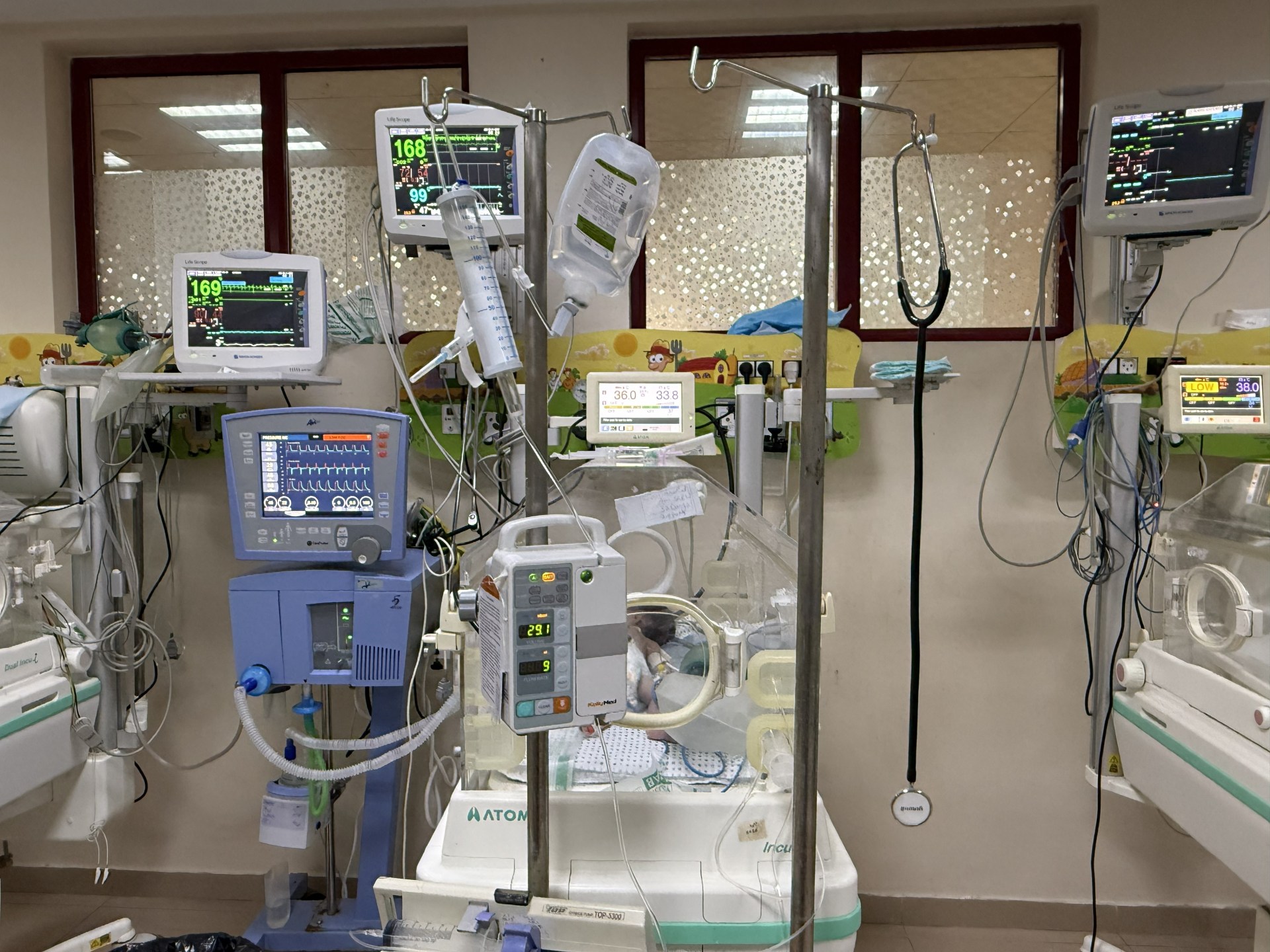
Premature babies in Gaza are facing growing danger as hospitals report more early births and fewer resources to keep newborns alive. UNICEF has warned that one in every five newborns in Gaza needs intensive neonatal or thermal care, according to reporting by Al Jazeera.
At Al-Aqsa Martyrs Hospital in Deir el-Balah, the only hospital with a neonatal unit in central Gaza, the strain is visible in the incubators, Al Jazeera reported. The unit serves thousands of expectant mothers while staff cope with shortages of equipment, medicine, fuel and electricity.
One mother, Noor Salem, 30, is waiting beside an incubator where her son, Yazan Al-Khalidi, is being treated after being born in the eighth month of pregnancy. Al Jazeera reported that Yazan had breathing problems at birth and was taken immediately to neonatal intensive care instead of being placed in his mother’s arms.
Salem told Al Jazeera she had already lost a baby shortly after birth during the famine in Gaza in 2025. During her pregnancy with Yazan, she said she feared another loss while living through shortages and insecurity.
Why are premature births rising in Gaza?
Doctors and UNICEF have linked the rise in premature births and underweight newborns to maternal malnutrition, prolonged stress and reduced access to prenatal care. Dr Afnan Abu Hasaballah, an obstetrician and gynecologist working with UNRWA and Al-Awda Health Hospital in Nuseirat refugee camp, told Al Jazeera that repeated displacement, lack of food and clean water, bombardment and limited care have raised risks for pregnant women.
Abu Hasaballah said many pregnant women are arriving at hospitals exhausted and under severe psychological pressure. She also said poor nutrition is contributing to anemia, pregnancy complications, restricted fetal growth, low birthweights and the need for intensive care after delivery.
What care do premature babies need?
Premature babies often need constant monitoring, oxygen, help breathing, careful nutrition and rapid treatment for infections or low blood sugar. Abu Hasaballah told Al Jazeera that when incubators, ventilators, medicine or electricity are not available, babies face higher risks from breathing problems, low body temperature and other complications.
She said the shortages at neonatal units have put health workers under “enormous pressure,” with repeated fuel and power cuts threatening babies inside incubators. Doctors and nurses have continued working long hours, she said, but in some cases babies’ needs exceed what hospitals can provide.
The emergency also changes the first hours after birth for mothers. Abu Hasaballah said mothers who expect to hold their newborns often see them transferred directly to incubators or intensive care, adding fear to an already difficult delivery.
Families face shortages after hospital discharge
Al Jazeera reported that the struggle often continues after babies leave the hospital. Families displaced by the war may lack baby clothes, diapers, blankets, formula, clean water and sterilisation supplies, according to Abu Hasaballah.
In Nuseirat refugee camp, the Qutoof Al-Khair Foundation provides vitamins, nutritional supplements, medicines and medical supplies for pregnant women and newborns, its head Akram Abu Jiab told Al Jazeera. He said demand is growing among mothers who cannot secure enough food or health care for themselves or their babies.
Abu Jiab said premature babies need special care and medical follow-up after leaving incubators, but many families cannot meet those needs. He told Al Jazeera that available support is falling short as the gap between need and resources grows.
This story draws on original reporting from Al Jazeera.