
Philippines protests videos portraying Filipinos as monkeys
Manila said China Daily videos used racist depictions of Filipinos amid renewed friction over the South China Sea.
By Daniel Okafor · Business Editor
3 min read
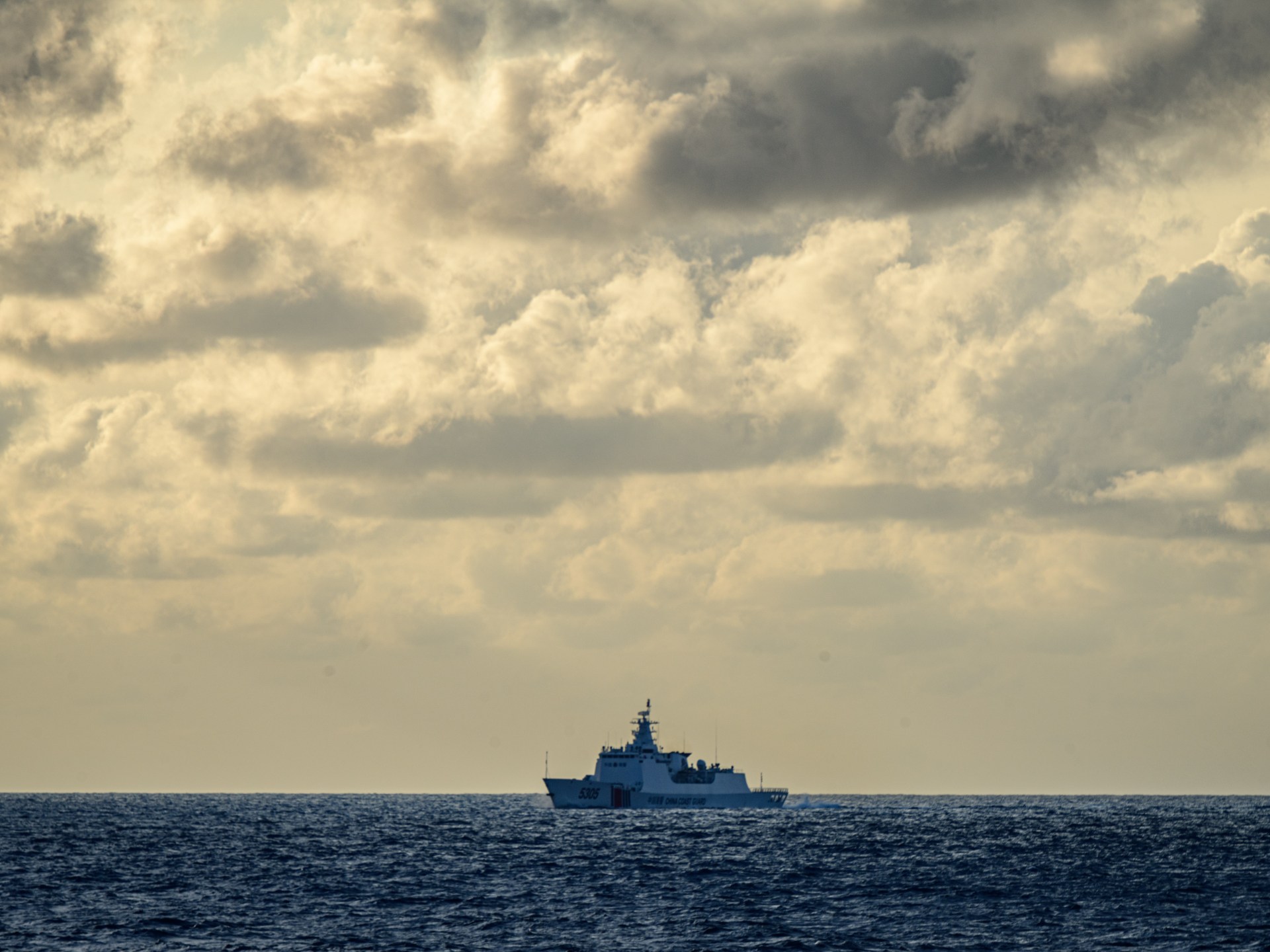
The Philippines has filed a diplomatic protest with China over videos by the state-backed newspaper China Daily that Manila said portrayed Filipinos as monkeys. The dispute adds a racial charge to a long-running fight over the South China Sea, where China and the Philippines remain at odds over sovereignty and maritime rights.
The Philippine Department of Foreign Affairs said Friday that the videos crossed from political argument into “demeaning, dehumanizing, and racist depictions of Filipinos.” The department said the material was unacceptable public messaging from an outlet backed by the Chinese state.
Foreign Affairs Undersecretary Maria Theresa Lazaro raised the matter directly with China’s ambassador to the Philippines, according to the department. Manila also lodged a formal diplomatic protest condemning the videos.
The Philippine embassy in Beijing separately sent an open letter to the editor of China Daily, the Department of Foreign Affairs said. In that letter, the embassy accused the newspaper of breaching editorial norms and urged it to uphold dignity, respect and truth in public debate.
Videos tied to South China Sea ruling
The videos appeared as part of a China Daily series marking 10 years since the 2016 South China Sea arbitral award, according to the Philippine government. That ruling, issued by an international tribunal, largely backed the Philippines and found that China’s broad claims in the South China Sea had no legal basis under international law.
China has rejected the tribunal’s decision and continues to claim sovereignty over most of the South China Sea. The Philippine government has repeatedly cited the award as central to its maritime position.
The dispute includes contested areas such as the Spratly Islands and Scarborough Shoal, both claimed by China and the Philippines. Tensions in those waters have produced repeated encounters between Chinese coastguard vessels and Philippine ships.
Manila has said Chinese coastguard actions, including collisions and the use of water cannon, have endangered Philippine personnel and fishermen. Beijing has maintained its claims despite the 2016 ruling.
China Daily’s reach draws scrutiny
China Daily describes itself as China’s most-read English-language newspaper. The outlet says it reaches a combined audience of more than 470 million people and has more than 110 million followers on Facebook, where the disputed videos were shared.
The size of that audience was part of Manila’s concern, according to the Philippine response. The Department of Foreign Affairs framed the videos as more than commentary on a territorial dispute, saying they used racist imagery against Filipinos.
The Philippines has received support from the United States and allies including Germany, Japan and the United Kingdom in calls to respect the 2016 arbitral award. In a joint statement this month, those countries described the tribunal’s findings as legally binding and definitive, and warned against unilateral actions by force or coercion that could threaten regional peace and stability.
China’s Ministry of Foreign Affairs and China Daily had not publicly responded to the Philippine protest at the time of publication.
This story draws on original reporting from Al Jazeera.