
Pentagon seeks $67bn more as Iran war costs reach $37.5bn
Pete Hegseth told senators the Iran campaign has cost $37.5bn, while lawmakers questioned a new request for nearly twice that amount.
By Daniel Okafor · Business Editor
3 min read
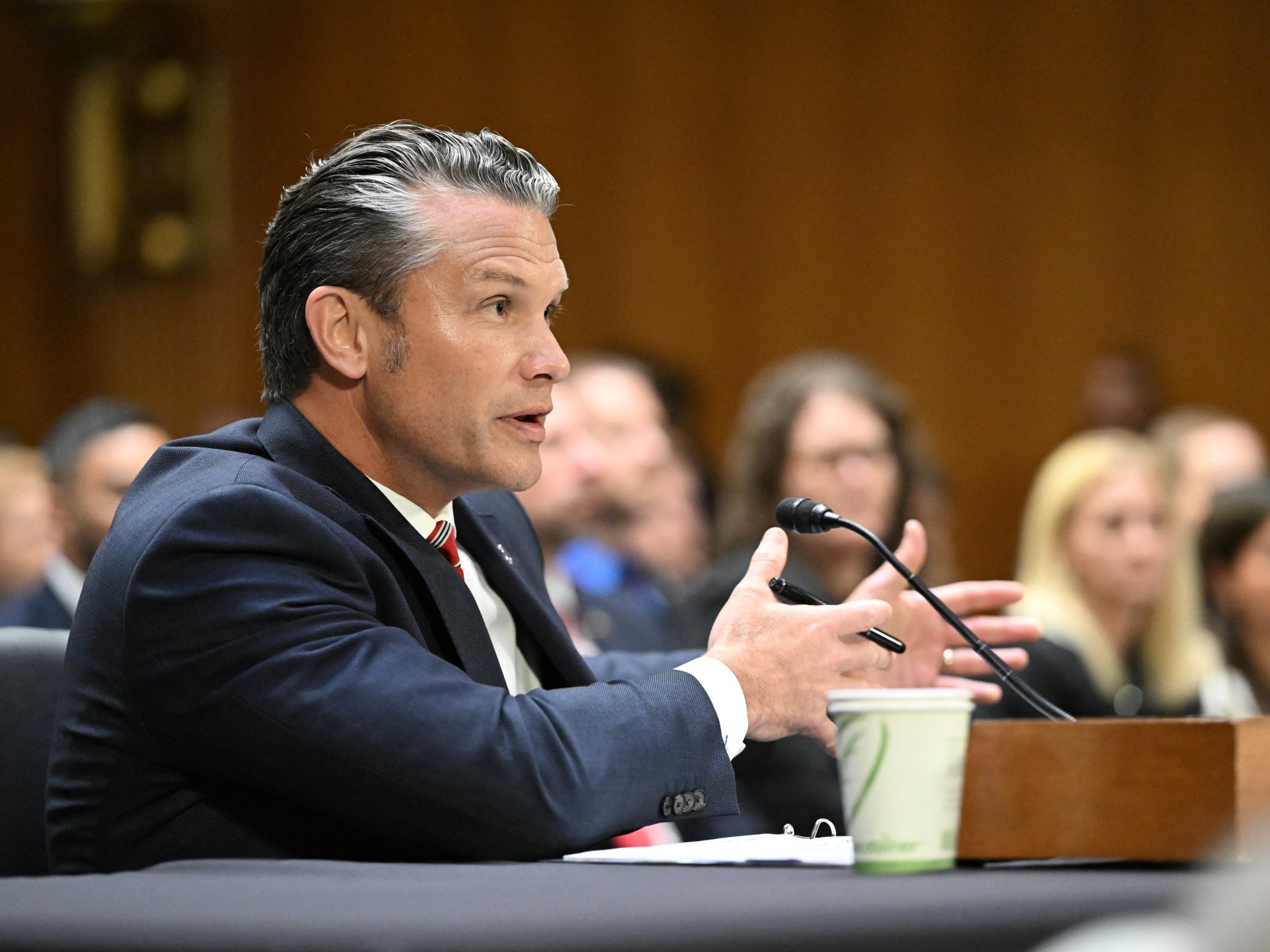
US Defense Secretary Pete Hegseth told senators that the US-led war against Iran has cost about $37.5bn so far, according to Al Jazeera. He asked Congress for another $67bn to keep the campaign going, putting new pressure on lawmakers as US casualties, weapons use and household energy costs rise.
Hegseth gave the estimate Tuesday during testimony before the Senate Appropriations Committee, where senators from both parties pressed him and General Dan Caine, chair of the Joint Chiefs of Staff, on the war’s cost and results, Al Jazeera reported. The hearing came after a June agreement between Washington and Tehran collapsed and after 11 straight nights of US attacks on Iran, according to the broadcaster.
The $37.5bn figure is above an earlier Defense Department estimate. Al Jazeera reported that the Pentagon told senators in April that the first phase of the war, called Operation Epic Fury, had cost about $25bn.
Assistant Secretary of the Army Jules Hurst III told the House Armed Services Committee at the time that the main costs were munitions, operations, equipment maintenance and replacement, according to Al Jazeera. The Trump administration has not provided a detailed public breakdown of the spending, the broadcaster reported.
Senators challenge the request
Democratic Senator Gary Peters accused Hegseth of seeking a “blank cheque” after failing to win the war, according to Al Jazeera. Republican Senator John Kennedy told Hegseth during the hearing that lawmakers needed “straight answers.”
Al Jazeera reported that at least 18 US service members have been killed and about 500 injured since the war began on February 28. The broadcaster also reported that petrol prices and broader living costs have climbed globally, including in the United States.
President Donald Trump first sought supplemental war funding from Congress in June, according to Al Jazeera. The White House request totals $87.6bn for the 2026 budget year, with $67.1bn set aside for the Defense Department.
Hegseth told senators the added money would cover weapons production and procurement, payroll, operating costs, training, and replacing damaged or lost equipment, Al Jazeera reported. He said the funding is tied to a proposed $1.5 trillion Defense Department budget for fiscal 2027.
Weapons stockpiles under strain
Paul Musgrave, a professor at Georgetown University in Qatar, told Al Jazeera that the Pentagon request reflected the need to refill arsenals after heavy use of munitions and aircraft during the conflict. He also described the war as unpopular among Americans.
Analysis by the Center for Strategic and International Studies, cited by Al Jazeera, found the US has used significant quantities of high-end munitions against Iranian targets. The analysis said stocks of Patriot interceptors, THAAD interceptors, Standard Missile-3 systems and Precision Strike Missiles had fallen to 50 percent or less of pre-war levels.
Hegseth warned senators that rejecting the funds would create shortfalls affecting service member pay, ammunition replacement and global operations, according to Al Jazeera. He described the proposed spending as a “generational investment.”
Energy costs add to the bill
Al Jazeera reported that the war disrupted shipping through the Strait of Hormuz, a route used for about a quarter of global oil supplies from Gulf countries. US petrol prices were about $2.98 per litre before the war, while some states, including California, have seen prices nearly double, according to the broadcaster.
Brown University’s Iran War Energy Cost Tracker estimated that Americans had paid more than $72bn in extra petrol and diesel costs by July 22, equal to $549 per household, Al Jazeera reported. The Center for American Progress said volatile oil prices pushed inflation to a three-year high, with the consumer price index rising about 4.2 percent in May and households expected to pay an additional $4.6bn in interest costs.
This story draws on original reporting from Al Jazeera.