
Pakistan warns of heavy rain and glacier flood danger nationwide
Disaster officials put local authorities on high alert as storms, urban flooding and glacial lake outbursts threaten northern regions.
By James Whitfield · Staff Writer
3 min read
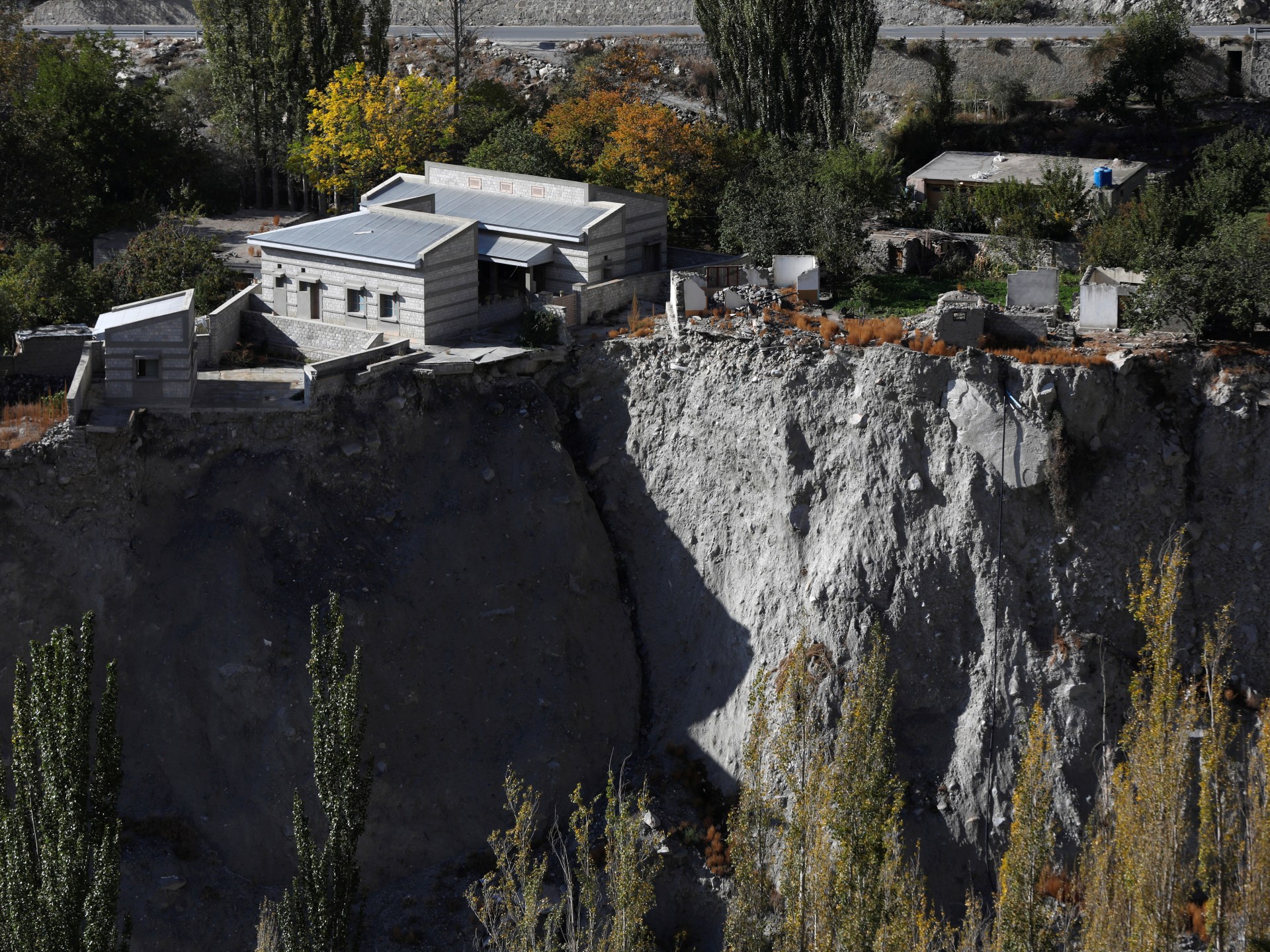
Pakistan’s disaster agency has issued a nationwide weather alert, warning that heavy rain and flood risks could hit parts of the country within 12 to 24 hours. The National Disaster Management Authority said thunderstorms, urban flooding and possible glacial lake outbursts pose immediate risks, especially in northern mountain areas.
The NDMA issued the alert on Sunday and described the current weather period as “critical,” according to Al Jazeera. The agency identified Hunza and Skardu in Gilgit-Baltistan, along with areas of Khyber Pakhtunkhwa, as among the places most exposed to a possible climate-related disaster.
Authorities also warned that Islamabad, Rawalpindi and nearby urban areas could face flooding, Al Jazeera reported. Provincial and district administrations have been told to remain on high alert and keep drainage networks clear.
The warning comes ahead of Pakistan’s expected monsoon later this month. Al Jazeera reported that the country is bracing for what could be a fourth straight year of severe monsoon conditions.
Glacier melt raises the risk
Last year’s monsoon rains killed more than 1,000 people in Pakistan, including 275 children, and forced three million people from their homes, according to Al Jazeera. The country’s 2022 floods were even more destructive, killing nearly 1,700 people, displacing more than 30 million and submerging close to a third of Pakistan, the report said.
Al Jazeera reported that those 2022 floods were driven largely by melting glaciers. Pakistan produces less than 1 percent of global emissions, yet Al Jazeera described it as among the five countries most affected by climate change.
In Gilgit-Baltistan, temperatures this year reached 48.5 degrees Celsius, or 119.3 degrees Fahrenheit, breaking a record set in 1971, according to Al Jazeera. The report said the heat has sped up glacial melting, causing lakes to swell and burst in the mountain region.
Pakistan has about 13,000 glaciers, more than any country outside the polar regions, Al Jazeera reported. The United Nations Development Programme says melting in the Hindu Kush, Himalaya and Karakoram ranges has created more than 3,000 glacial lakes in Gilgit-Baltistan and Khyber Pakhtunkhwa.
Of those lakes, 33 have been assessed as vulnerable to dangerous outburst floods, with more than 7.1 million people living in exposed areas, according to the UNDP. Such floods can send large volumes of water and debris downstream within hours, destroying bridges, farmland and settlements.
Early warning gaps
Pakistan and the UNDP launched the GLOF-II project in 2017 to reduce risks from glacial lake outburst floods, Al Jazeera reported. The project covered 24 valleys across 15 districts in Gilgit-Baltistan and Khyber Pakhtunkhwa, with work focused on warning systems, flood defenses and local preparedness.
Zakir Hussain, director general of the Gilgit-Baltistan Disaster Management Authority, told Al Jazeera that the project’s reach has often been overstated. He said GLOF-II covered 16 selected valleys and only some locations within them, leaving several areas hit hard in 2025 without warning systems.
Hussain told Al Jazeera that Shishper in Hunza was the one case where a warning system existed but failed to alert residents despite changes in glacier behavior. In other hard-hit places, he said, the problem was that no coverage existed.
Funding has also fallen short after the 2022 disaster. Al Jazeera reported that donors pledged about $11bn at a Geneva conference in January 2023, while the UN humanitarian agency OCHA said only about $4.5bn had been delivered by June 2025, mostly for housing, transport and flood-risk projects.
Hussain told Al Jazeera that Pakistan also faces coordination problems between institutions. He said gaps between forecasting and emergency response continue to slow disaster management work.
This story draws on original reporting from Al Jazeera.