
Oakland coal terminal fight intensifies after federal funding pledge
A $75 million federal commitment has revived a long-delayed export terminal opposed by Oakland residents over health concerns.
By Daniel Okafor · Business Editor
3 min read
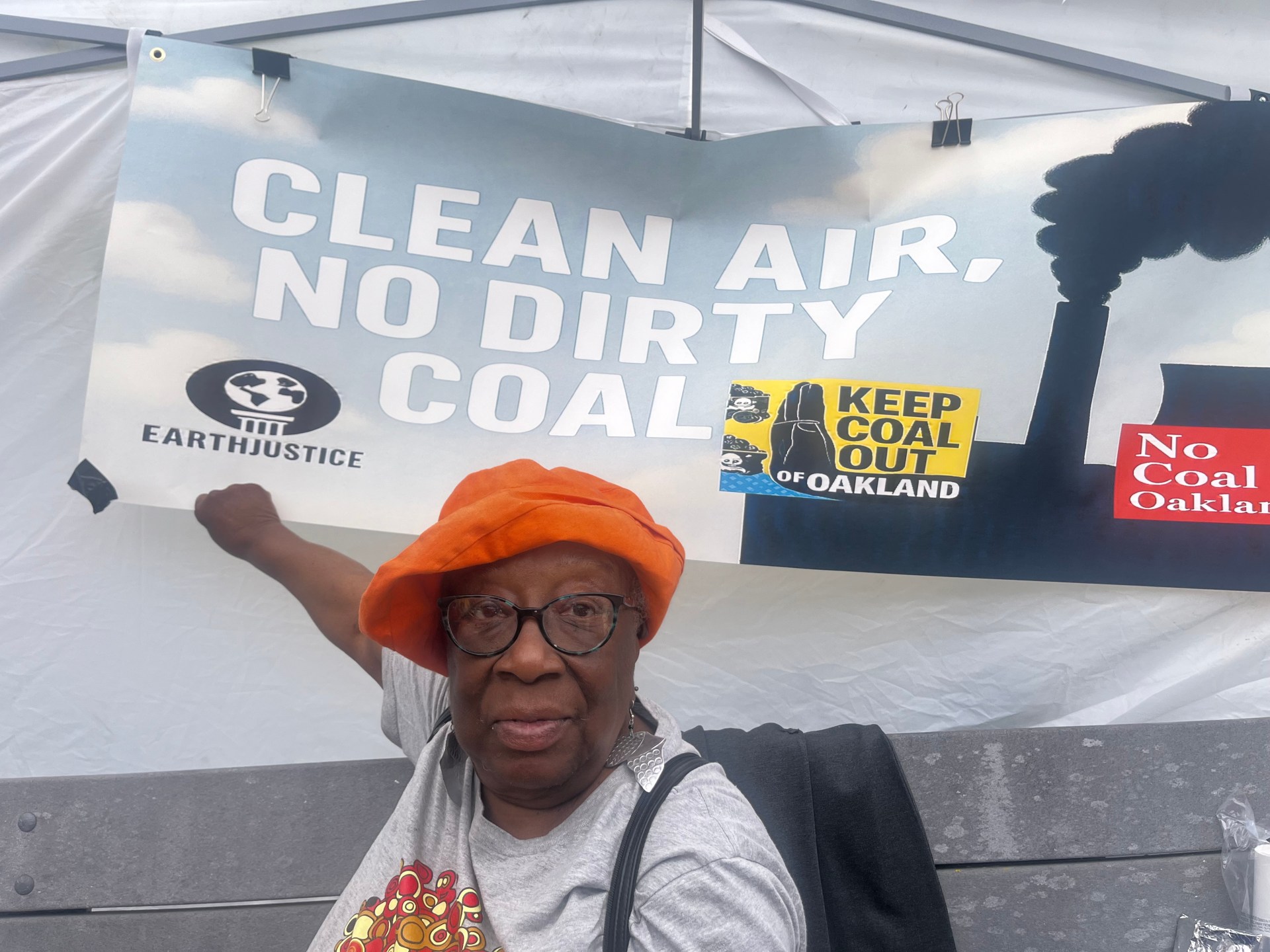
A long-stalled plan to ship western US coal through Oakland, California, has gained new momentum after President Donald Trump’s administration pledged federal support for the project. The move matters because it could give coal producers in Utah and other states a Pacific export route while renewing health and environmental concerns in West Oakland.
Al Jazeera reported that the administration on June 4 invoked the Defense Production Act as part of a $700 million package aimed at supporting 14 coal plants in several states. The package includes $75 million for the Oakland terminal, as well as funding for new coal plants in Alaska and West Virginia.
Trump said at the White House that the measures would lower energy costs and create 14,000 jobs, according to Al Jazeera. The administration has also moved to extend the operating lives of coal plants, loosen some toxic pollution rules and direct the Pentagon to buy more power from coal plants, Daniel Raimi of Resources for the Future told Al Jazeera.
Local opposition returns
Margaret Gordon, a longtime West Oakland activist, has resumed organizing against the terminal. She told Al Jazeera she first opposed the project after learning in 2013 that coal from Utah and other western states could be moved by rail through Oakland for export to Asia.
Gordon said residents feared coal dust would add to existing respiratory problems in an area already affected by freight traffic from the nearby port. Al Jazeera reported that in the early 1990s, one in five children in the area sought emergency care for respiratory illnesses, while older residents faced high rates of cardiovascular disease.
The No Coal in Oakland coalition has fought the terminal for more than a decade through lawsuits, public campaigns and demands for more environmental review. Gordon and other opponents have also backed a bill by California Assembly Member Mia Bonta seeking additional environmental review for coal projects in the state, while US Representative Lateefah Simon has introduced legislation targeting water and power funding for coal projects that would include the Oakland terminal, according to Al Jazeera.
Courts and financing shape the project
The terminal has been delayed by legal fights over Oakland’s effort to block coal transport. Al Jazeera reported that developer Phil Tagami sued the city over its ordinance, and that the California Supreme Court last September cleared the way for the project to proceed.
Another case remains in federal court in Kentucky, where Insight Terminal Solutions, Tagami’s sub-lessee, has argued that Oakland’s ordinance drove it into bankruptcy. In that case, Al Jazeera reported, a judge ordered the city to pay $230 million for restricting the port.
Tagami has said the project would restart and that the first ships would depart in early 2028, according to Al Jazeera. Colin O’Brien of Earthjustice told the outlet that the federal money would cover only part of a project estimated at $237 million.
Coal demand remains uncertain
US coal production has fallen sharply over recent decades. Bituminous coal output declined from 693 million short tons in 1990 to 263 million short tons in 2023, while non-bituminous coal fell from 539 million short tons in 2008 to 271 million short tons in 2023, according to the US Energy Information Administration.
Raimi told Al Jazeera that falling coal tax revenue has hurt public services in coal communities. Stephanie Chase of the Energy and Policy Institute said a coal revival remains unlikely, arguing that rising power demand is being met by geothermal energy and natural gas rather than new coal.
Wyoming Governor Mark Gordon, whose state is the country’s largest coal producer, appeared with Trump at the June announcement, Al Jazeera reported. Raimi said coal from Indonesia and Australia may remain easier for Asian buyers to obtain, though the Oakland project could still support western US coal producers.
This story draws on original reporting from Al Jazeera.