
NYT subpoenas withdrawn in Qatar Air Force One leak inquiry
US lawyers dropped subpoenas for three New York Times reporters after a judge criticized the effort to force source testimony.
By Daniel Okafor · Business Editor
3 min read
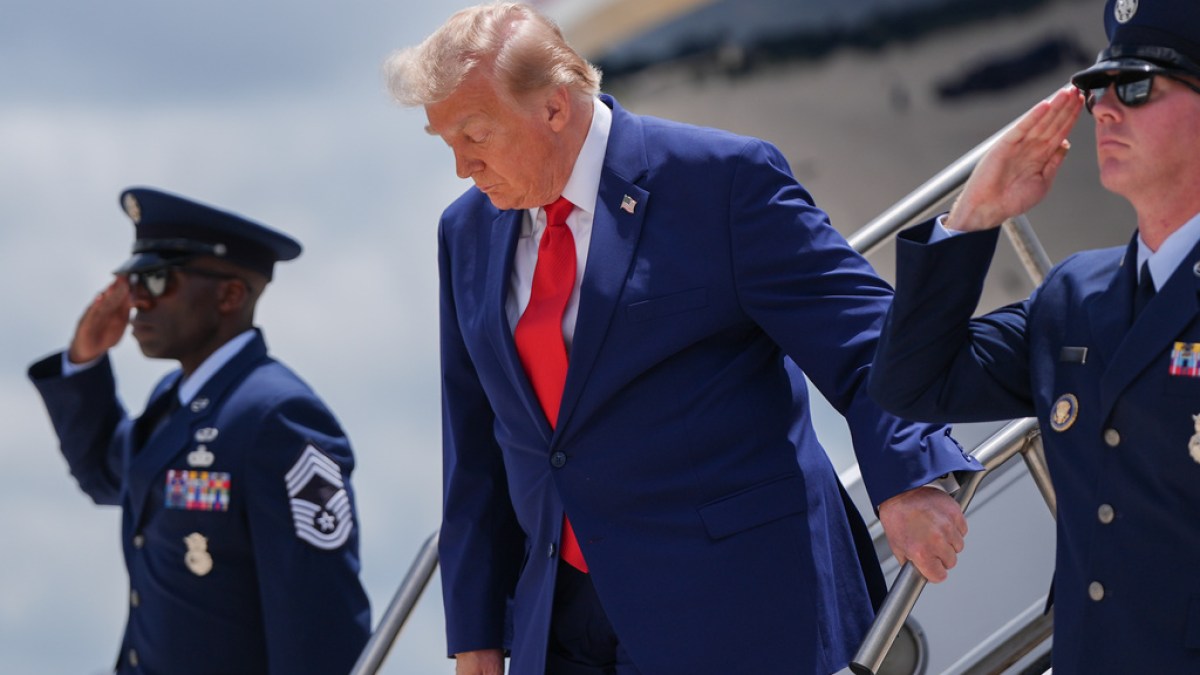
The US government has withdrawn subpoenas seeking testimony from three New York Times reporters over their sources for a story on a Qatar-gifted Air Force One jet tied to President Donald Trump. The move matters because the case tested how far prosecutors could go in pressing journalists to identify confidential sources.
In federal court Thursday, Judge Arun Subramanian criticized the government’s handling of the matter, according to Al Jazeera and The Associated Press. The subpoenas were part of an inquiry into leaks connected to reporting about Trump taking an older Air Force One aircraft back from a summit in Turkiye instead of using the plane given by Qatar.
Subramanian told government lawyers that subpoenas should come at the end of an investigation, not the start. “Subpoenas are not the first thing you do; they are the last thing you do,” he said in court.
The judge also suggested the legal work would have raised the prospect of sanctions in a civil case. “When you see something like this, if this were a civil proceeding, what I would normally do is ask the parties to show causes why sanctions should not be issued,” Subramanian said.
Why were the NYT subpoenas withdrawn?
The government dropped the subpoenas after The New York Times contested them and the judge sharply questioned the government’s approach in court. Lawyers for the newspaper had challenged grand jury subpoenas aimed at the reporters, as well as subpoenas seeking phone records for several journalists and their relatives.
The New York Times’ managing editor and general counsel were present in the courtroom during the Thursday proceedings, according to Al Jazeera and The Associated Press.
The Trump administration had sought to keep the proceedings sealed while attempting to compel the reporters to disclose sources. The effort drew concern because confidential sourcing is central to national security reporting and other journalism involving sensitive government information.
The Department of Justice said the journalists themselves were not the focus of the investigation. “Reporters are not the targets; those leaking classified information are,” the department said of the subpoena requests.
What was the Air Force One story about?
The reporting at issue concerned Trump’s use of an older Air Force One jet after a summit in Turkiye, rather than a newer aircraft gifted by Qatar. The government has spent $400m to retrofit and upgrade the Qatar-gifted jet, according to the account reported by Al Jazeera and The Associated Press.
The Secret Service reportedly advised that the newer plane lacked key security features, including antimissile capabilities. The government has said its inquiry is aimed at identifying people who leaked material to reporters about the matter.
The dispute also fits a broader pattern of recent government attempts to obtain testimony from journalists. The US government recently withdrew similar subpoenas involving reporters from The Washington Post and The Wall Street Journal, according to Al Jazeera and The Associated Press.
Attempts by administrations from both parties to force journalists to reveal sources have long raised press freedom concerns. Courts have often treated such demands carefully because source protection can affect whether officials and others share information of public interest with reporters.
This story draws on original reporting from Al Jazeera.