
NATO commits €70bn to Ukraine as Trump cites peace talks progress
Alliance leaders ended their Ankara summit with a new Ukraine aid pledge while Trump said recent diplomacy had made progress.
By Daniel Okafor · Business Editor
3 min read
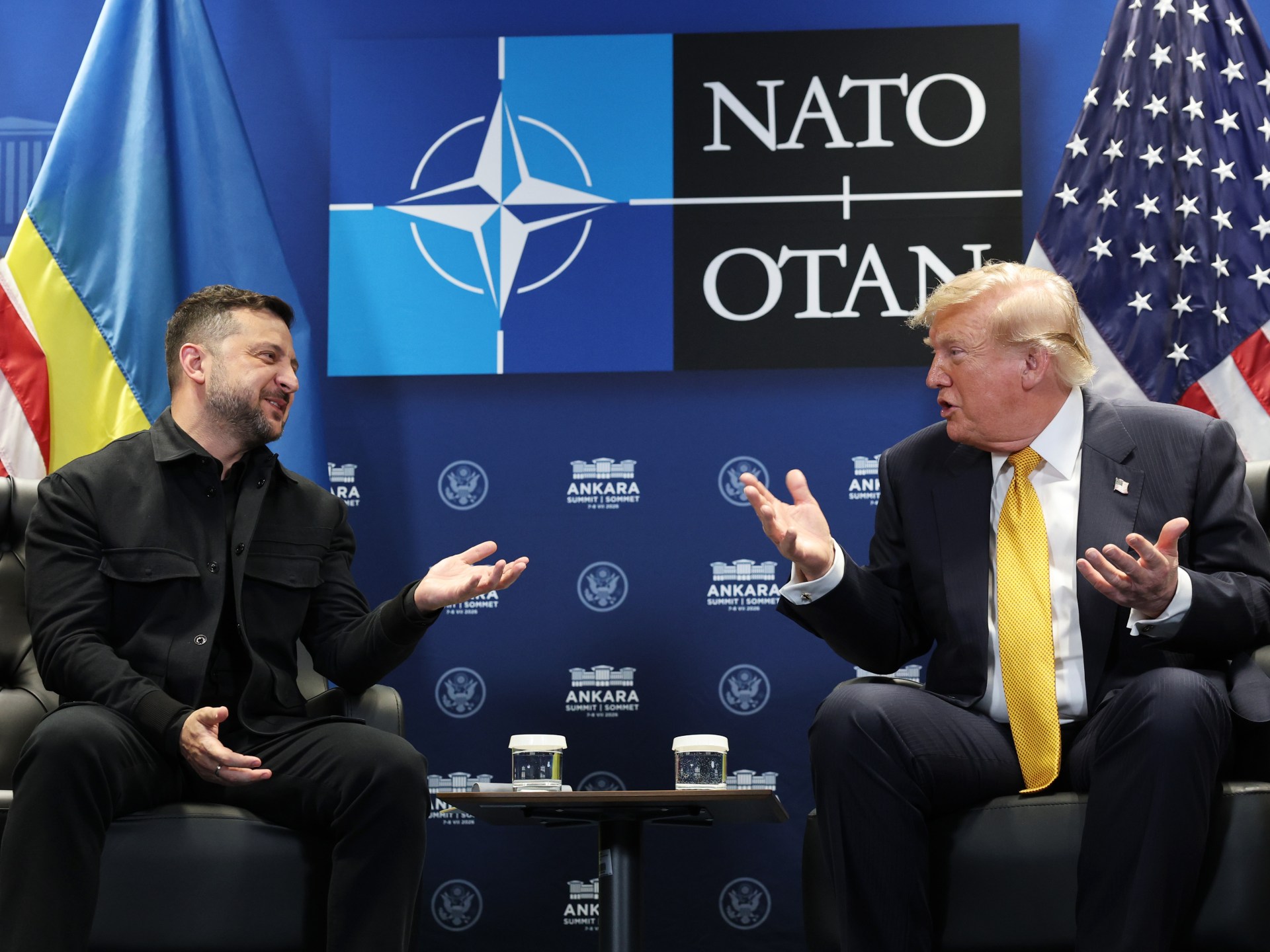
NATO leaders pledged €70bn, or about $80bn, in military support for Ukraine at the close of a two-day summit in Ankara, giving Kyiv a new commitment as Russia’s war continues. US President Donald Trump also signaled support for Ukraine’s air defence production and said there had been recent movement toward a possible peace deal.
Ukrainian President Volodymyr Zelenskyy attended the gathering with leaders from NATO’s 32 member states and held a separate meeting with Trump. The summit focused on defence spending, weapons production and continued support for Ukraine, according to Al Jazeera.
NATO sets out 2026 funding pledge
In a declaration issued as the meetings ended, NATO said allies backed Ukraine’s defence of its “freedom, sovereignty, and territorial integrity.” The alliance said members would provide €70bn in military equipment, assistance and training in 2026.
NATO also said allies affirmed commitments to keep support at “at least equivalent levels in 2027.” The declaration said long-term aid, now supplied mostly by Europe and Canada, should be fair, predictable and sustainable.
The pledge came as Zelenskyy used the summit to press governments for further military help. Al Jazeera reported that he held nearly 20 bilateral meetings over the two days.
Trump offers Patriot production help
Speaking with Zelenskyy, Trump described Russian President Vladimir Putin as “a difficult character” and also referred to Zelenskyy that way. He said a settlement would be hard but added that “a lot of progress” had been made in recent weeks.
Trump also said the United States would allow Ukraine to manufacture Patriot missile systems, after Zelenskyy had recently sought a production licence. “We’ll give them the right to make Patriots. We’ll show them how to do it,” Trump said, adding that he believed Ukraine could produce them quickly.
Zelenskyy thanked Washington for its support and told Trump that Ukraine knew what needed to be done to bring peace. He told the US president he was sure Trump would do everything to stop the war.
Zelenskyy seeks more deals
Zelenskyy said on social media that he and European Commission President Ursula von der Leyen discussed next steps and possible timing for a drone agreement. He also thanked South Korean President Lee Jae Myung for a $100m support package and praised Italy for helping protect lives.
Late Tuesday, Zelenskyy said Ukraine had secured new agreements with Estonia, the Netherlands and Denmark in Ankara. He said more drone deals were expected with Germany, Norway, Finland and Canada, but did not give details; Al Jazeera noted that Ukraine generally does not publish the terms of such agreements.
Ed Arnold, a senior associate fellow for international security at the Royal United Services Institute, told Al Jazeera that NATO membership for Ukraine was “not in the cards.” He said the focus was on providing military capabilities to keep Ukraine fighting.
Russian strikes continue
Russia kept attacking Ukraine during the summit. Kyiv Mayor Vitali Klitschko said on Telegram that Russian missile strikes on Wednesday killed at least three people and injured 14, including nine people who were hospitalised. One of those taken to hospital was a 17-year-old boy.
Kharkiv Governor Oleh Syniehubov said the number of wounded from Russian attacks on the Nemyshlianskyi district had risen to 34. Al Jazeera’s Audrey MacAlpine, reporting from Kyiv, said the attacks reinforced Zelenskyy’s appeal for more air defences.
MacAlpine said Ukraine’s air force had not intercepted recent Russian missile launches, leaving the country exposed to aerial threats. Al Jazeera also reported that Ukrainian drones struck Russian energy sites, including three oil refineries and pipeline pumping stations.
Arnold told Al Jazeera that Ukraine’s long-range strike capability had put it in a stronger position by targeting Russian logistics and its ability to fight.
This story draws on original reporting from Al Jazeera.