
Mandela Day dispute exposes South Africa’s migration tensions
Anti-immigration plans in Mandela’s home province drew criticism from rights groups who say they misuse his legacy.
By James Whitfield · Staff Writer
3 min read
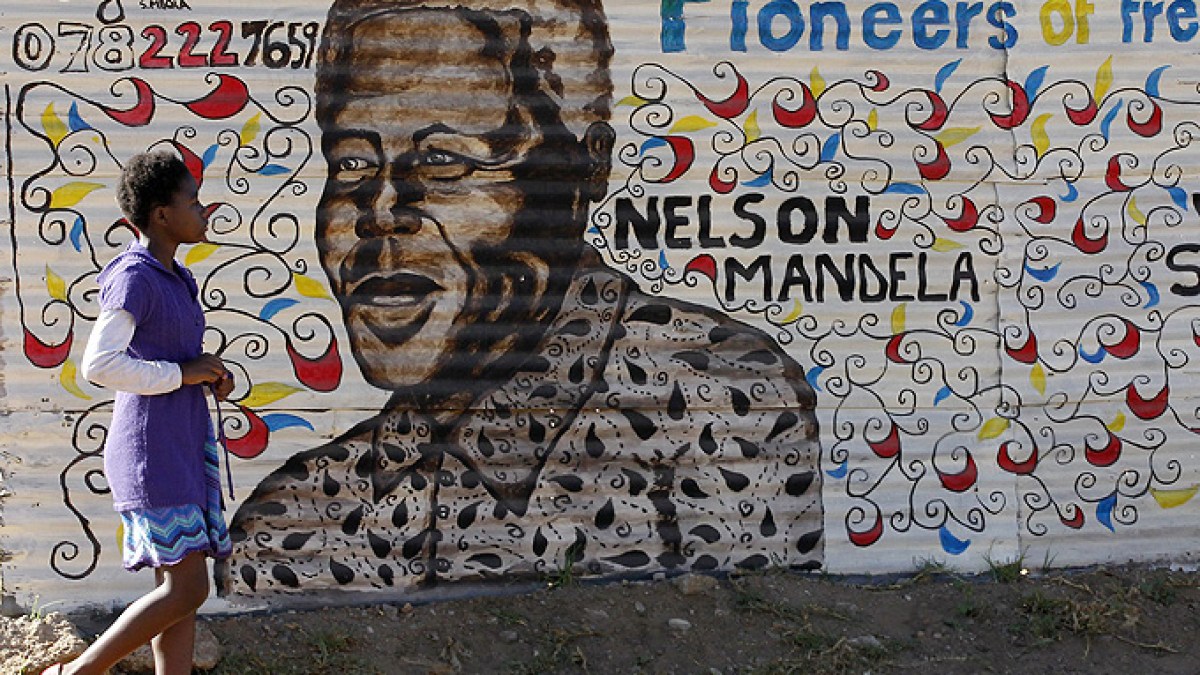
Mandela Day has become a flashpoint in South Africa after an anti-immigration coalition said it would use the annual commemoration to target undocumented migrants and businesses it alleges are operating unlawfully. Al Jazeera reported that the dispute has widened a national argument over Nelson Mandela’s legacy as South Africa faces anger over jobs, inequality and public services.
March and March, a coalition that has organised anti-immigration protests in recent months, planned activities in towns across the Eastern Cape, Mandela’s home province, according to Al Jazeera. The group said it would inspect businesses and identify undocumented workers rather than mark the day through the customary 67 minutes of community service.
Nelson Mandela International Day is observed on July 18, Mandela’s birthday, and was established by the United Nations in 2009. The 67 minutes are intended to recognise the 67 years Mandela spent in public life and the struggle for justice, according to Al Jazeera.
Foundation condemns campaign
The Nelson Mandela Foundation said the use of Mandela Day to target migrants runs against the values of dialogue, constitutional rights and human dignity associated with Mandela’s public life, Al Jazeera reported.
Mbongiseni Buthelezi, the foundation’s chief executive, told Al Jazeera that groups planning to use the day to remove immigrants from cities were making a civic commemoration divisive. He said the foundation condemned such plans and called them unacceptable.
March and March argues that South Africa’s government has failed to control borders, enforce immigration rules and protect job opportunities for citizens, according to Al Jazeera. The group says undocumented migrants add to competition for work and strain communities already under pressure.
Critics cited by Al Jazeera say migrants are being blamed for wider failures by the state. Buthelezi told the broadcaster that South Africa’s unemployment, inequality and service delivery problems are real, but should not be assigned to immigrants.
Government steps up enforcement
South African officials have condemned xenophobia while also increasing immigration enforcement, according to Al Jazeera. Officials said more than 53,000 foreign nationals have been deported or repatriated since a nationwide migration operation began, mostly to neighbouring countries including Zimbabwe, Malawi and Mozambique.
Authorities have warned communities not to take enforcement into their own hands, Al Jazeera reported. Anti-migrant groups have continued to organise campaigns despite those warnings.
Snuki Zikalala, president of the African National Congress Veterans’ League and a former colleague of Mandela, told Al Jazeera that Mandela would not have supported targeting African migrants. Zikalala said people should not use Mandela’s name to drive people out of South Africa and described migrants as human beings.
Zikalala also said the ANC shares blame for failing to stay active in communities and for allowing weak leadership, according to Al Jazeera. He said the party believes March and March is being used to destabilise the country, an allegation the group’s leaders have rejected.
Debate over Mandela’s image
The dispute has renewed questions about who gets to define Mandela’s legacy, according to Al Jazeera. Neeshan Bolton, executive director of the Ahmed Kathrada Foundation, told the broadcaster that Mandela’s identity as a liberation leader has increasingly been reduced to a general symbol of service.
This year’s Mandela Day theme is “It is still in our hands to combat poverty and inequity,” according to Al Jazeera. For the Nelson Mandela Foundation, anti-migrant action conflicts with Mandela’s principles; for March and March, the campaign reflects frustration with a state it says has failed to act.
This story draws on original reporting from Al Jazeera.