
Long-range goals double as World Cup defenses sit deeper
FIFA’s Technical Study Group said 16% of goals at the 2026 World Cup have come from outside the penalty area, up from 8% in Qatar.
By Daniel Okafor · Business Editor
3 min read
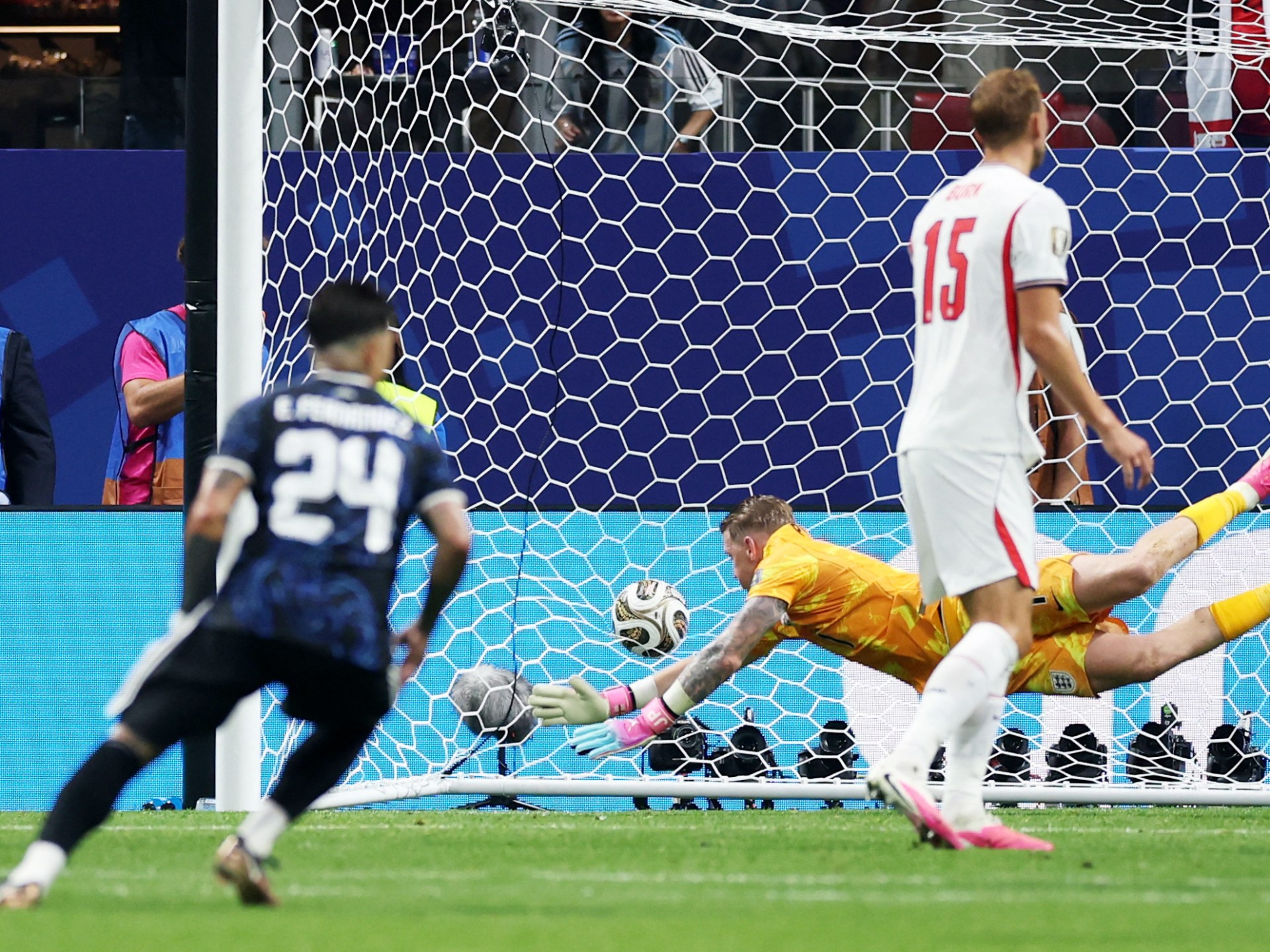
Goals from outside the penalty area have accounted for a much larger share of scoring at the 2026 World Cup, according to FIFA. The shift has stood out because teams defending deep have pushed opponents into more long-range attempts.
FIFA’s Technical Study Group said Saturday that 16% of goals at the tournament in North America have been scored from beyond the box. At the 2022 World Cup in Qatar, that figure was 8%, the group said.
The tournament has featured several high-profile strikes from distance, with Argentina among the teams using them to break through packed defenses. FIFA officials and analysts pointed to crowded penalty areas as one reason shooters have looked for space farther from goal.
Defenses leave little room near goal
Jurgen Klinsmann, a member of FIFA’s Technical Study Group and a former United States national team manager, told reporters that many teams have defended with large numbers close to their own goal. He said that when eight or nine players are gathered in and around the penalty area, opponents are more likely to shoot from outside.
Klinsmann also said the traffic in front of goal can make life harder for goalkeepers. With more bodies between the shooter and the net, keepers may have less time to see and react to shots from distance, he said.
Arsene Wenger, FIFA’s chief of football development, also highlighted the standard of finishing. Wenger told reporters the tournament had produced powerful, high-quality shots from outside the area.
Argentina have benefited from distance
Argentina have scored five goals from outside the box during the tournament, according to FIFA. The team has used those strikes in matches where opponents sat deep while Argentina were trying to recover from behind.
One of those goals came from Enzo Fernandez in the 85th minute of Argentina’s semifinal against England. His strike brought Argentina back into the match, according to FIFA’s account.
Julian Alvarez also scored from distance in extra time against 10-man Switzerland, curling in an effort from 22 yards to help Argentina reach the semifinal. That goal was another example of the long-range finishing FIFA’s analysts said has become more prominent at this World Cup.
The trend continued in Saturday’s third-place match. England midfielder Declan Rice scored from outside the penalty area in the third minute, placing his shot into the bottom corner as England and France played out a 6-4 match, according to the tournament report.
FIFA’s figures show a clear change from the previous World Cup, though its analysts tied the rise to match conditions rather than one factor alone. Deep defending, crowded penalty areas and improved shooting quality have combined to make long-range goals a bigger part of the 2026 tournament.
This story draws on original reporting from Al Jazeera.