
Lebanese villagers return under disputed withdrawal plan
Residents are going back to southern Lebanese villages included in a US-backed plan, though locals say Israeli forces never held them.
By Lucas Ferreira · Science & Environment Writer
4 min read
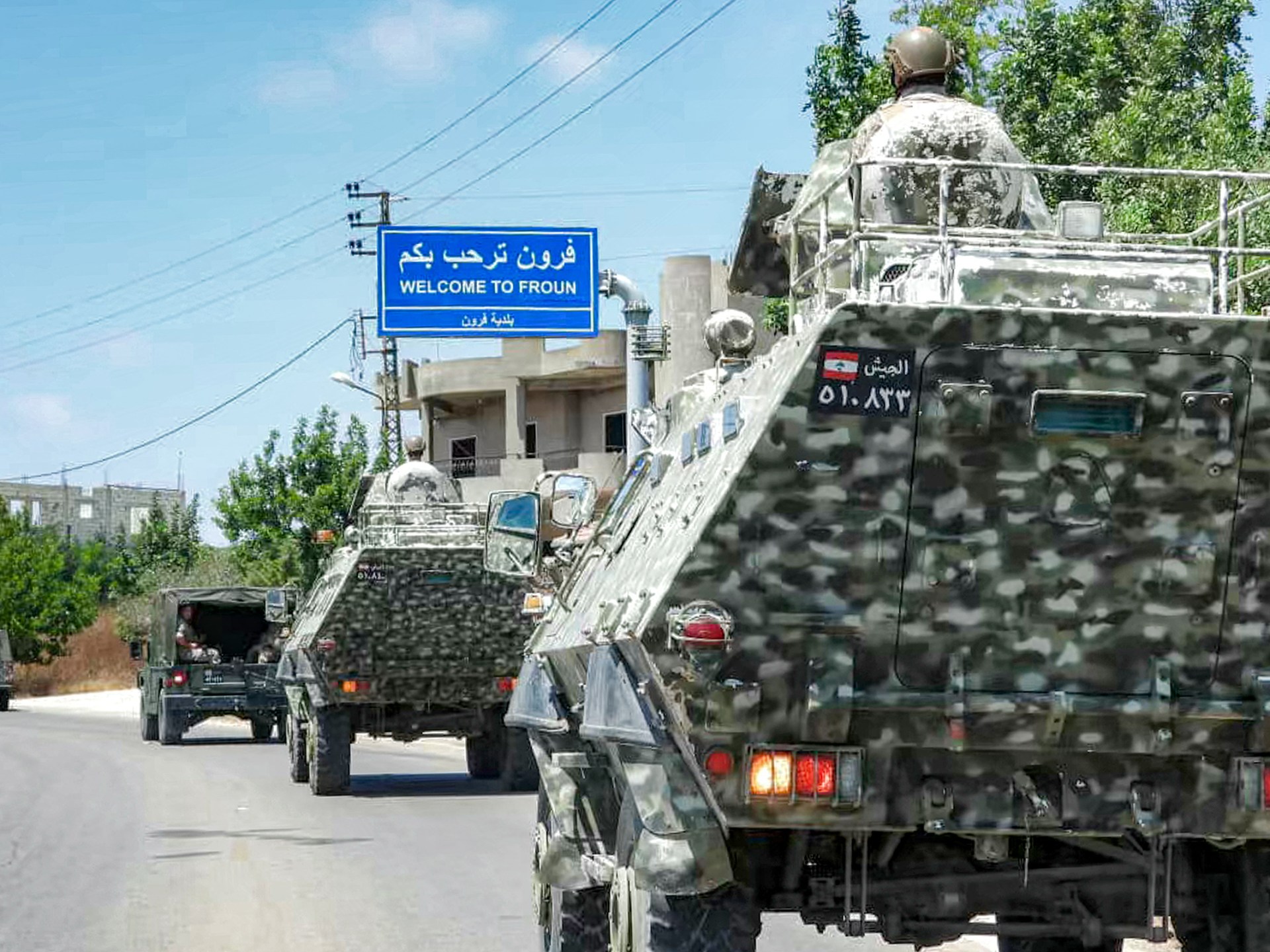
Displaced Lebanese residents have begun returning to villages in the south as a US-backed “pilot zone” plan gets under way, Al Jazeera reported. The returns matter because some residents and Lebanese security sources told Al Jazeera that the villages named in the plan were never occupied by Israeli forces, raising questions about what Israel is withdrawing from.
The plan is part of a framework agreement signed last month in Washington between Lebanon and Israel, according to Al Jazeera. It is meant to begin with Israeli withdrawals from selected areas in southern Lebanon while Israeli forces remain in other areas seized since Israel escalated its war in March, Al Jazeera reported.
Israel has been fighting Hezbollah and says the Lebanese group must be disarmed before any full Israeli withdrawal, according to Al Jazeera. The outlet reported that more than 4,300 people have been killed since the escalation in March.
Residents question the village list
Al Jazeera reported from Froun and Ghandouriyeh, neighboring villages where residents started going back on Monday after Israeli bombardment forced them out. The United States said Froun is one of three villages in the first phase of the pilot zone plan, while Ghandouriyeh is believed to be slated for a later phase, according to Al Jazeera.
Some people in the area told Al Jazeera they do not understand why the villages are included because Israeli troops did not take control of them. Lebanese security sources gave the same account to Al Jazeera, saying Israeli forces had not occupied either village.
The two villages sit on high ground overlooking several Israeli-held towns in the Nabatieh and Marjayoun districts, according to Al Jazeera. They face Zawtar el-Gharbiya, which is also included in the plan’s first phase.
Travel between Ghandouriyeh and Froun remains dangerous, Al Jazeera reported. Sections of the road overlooking the Hujeir Valley come under Israeli fire, and Israeli positions in Odaisseh al-Qusayr, Qantara, Alma ash-Shaab and other areas can observe traffic on the route, according to the outlet.
Families return to damaged homes
Al Jazeera reported that some families have returned before the framework agreement produces a wider outcome. Among them is the family of Abu Ali Miqdad, whose heavy equipment allowed relatives to begin clearing rubble from a building they own at the entrance to Froun.
The building had contained apartments and storage warehouses, according to Al Jazeera. The family recovered tyres, oil drums and spare parts from the debris after hours of work.
Abu Ali told Al Jazeera he has little confidence in the current situation but is tired of repeated displacement. He said he would continue clearing debris and rebuilding “even under bombardment,” and added that Lebanese army and UN peacekeeping patrols gave him some reassurance.
Nearby, Sumaya Haidar, a woman in her 70s, told Al Jazeera she was relieved to be back at her home with her grandson despite the absence of water, electricity and phone service. She said her children’s families remained scattered in other towns after being displaced.
Army presence and state authority
In Ghandouriyeh, Lebanese army patrols have been visible for three days, with soldiers from the Fifth Intervention Regiment stationed at the village’s southern entrance, Al Jazeera reported. The village has suffered severe damage, with 250 of its 260 homes fully or partly destroyed, municipal council head Mohammed Nader told Al Jazeera.
Nader rejected the idea that Ghandouriyeh should be treated as a pilot-zone withdrawal area. Pointing toward a nearby Israeli position, he told Al Jazeera that Israel was offering “empty walnut shells” because its forces had not entered the village.
Al Jazeera reported that the Lebanese army allowed filming of its positions in Froun and Ghandouriyeh to show its control of the area. Army patrols were seen along the line from Kfar Dounine through Ghandouriyeh to Froun, and troops checked vehicles and residents’ identification at a checkpoint, according to the outlet.
Al Jazeera reported that “extending state authority” is expected to be a central topic when Lebanese President Joseph Aoun meets US President Donald Trump in Washington on Tuesday. For Lebanon’s government, the army’s presence in the two villages is meant to demonstrate state control, while Hezbollah continues to argue that its weapons are needed to confront Israel if the army will not, according to Al Jazeera.
This story draws on original reporting from Al Jazeera.