
Kashmir vote split across dates after deadly unrest
Pakistan-administered Kashmir is preparing to vote after protests, a ban on JAAC and a dispute over refugee seats reshaped the election.
By Daniel Okafor · Business Editor
4 min read
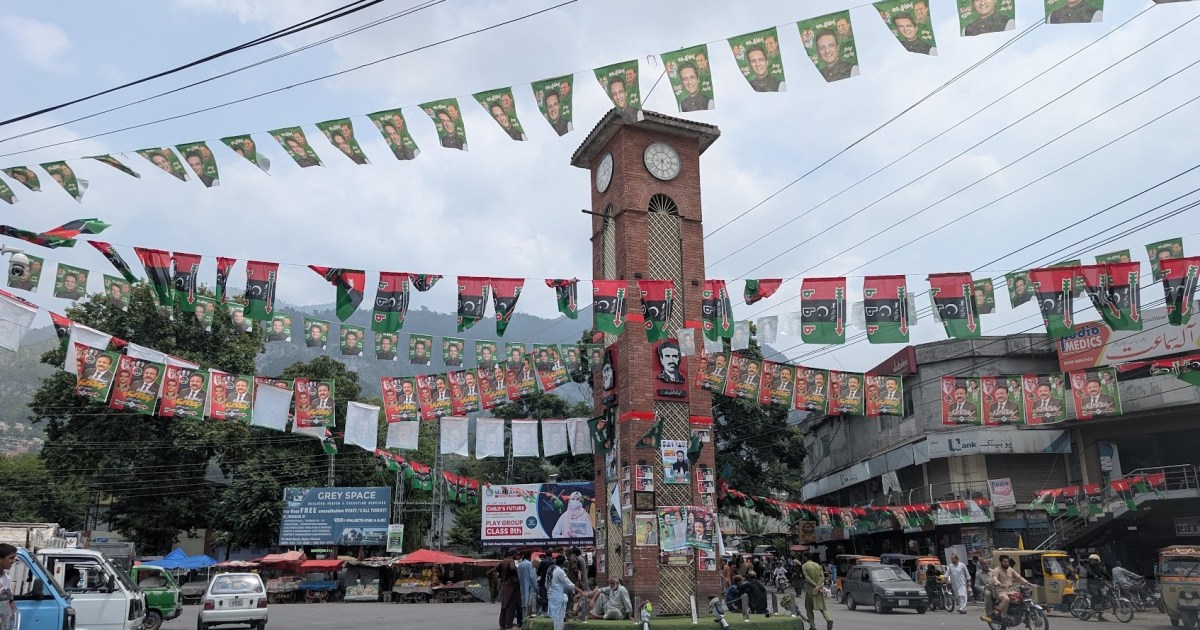
Authorities in Pakistan-administered Kashmir have broken up the regional election schedule after weeks of unrest that Al Jazeera reported has killed nearly 30 people by conservative estimates. The dispute has put the legitimacy of the vote under pressure, with a banned protest movement urging a boycott and some of its would-be candidates kept off the ballot.
Chief Election Commissioner Justice (retired) Ghulam Mustafa Mughal told Al Jazeera that security concerns prompted the change. Voting in Mirpur division is still set for July 27, while Muzaffarabad and 12 seats reserved for refugees from Indian-administered Kashmir will vote on August 2, and Poonch division will vote on August 10.
The unrest has centred on the Jammu Kashmir Joint Awami Action Committee, known as JAAC, which was banned in June under anti-terrorism laws. Al Jazeera reported that the movement has held sit-ins across Poonch division and has called on residents to stay away from the polls.
Reserved seats drive the confrontation
JAAC’s current campaign targets 12 of the AJK Legislative Assembly’s 45 general seats that are reserved for Kashmiri refugees living elsewhere in Pakistan. The seats, six linked to Jammu and six to the Kashmir Valley, date to legislation from the 1960s and were later included in the 1974 Interim Constitution, according to Al Jazeera.
The movement argues that the arrangement gives people outside Pakistan-administered Kashmir a role in choosing lawmakers who help shape the territory’s government and budget. The AJK Supreme Court ruled in June, on a presidential reference, that the seats can be removed only through a constitutional amendment passed by the assembly, not through street pressure.
Election Commission figures cited by Al Jazeera show the overall electorate has risen from just over 3.2 million in 2021 to more than 3.8 million this year. Voters in the 12 refugee constituencies increased from about 405,000 to nearly 439,000 over the same period.
Officials defend the vote
Mughal said Poonch was the only division where officials had security concerns, according to Al Jazeera. Muzaffarabad Deputy Commissioner Munir Qureshi pointed to markets, traffic and campaigning in the capital as signs that public life was continuing, while saying voter turnout is a matter for citizens.
JAAC members rejected that view. Sardar Amanullah, a JAAC member from Sudhnoti district, told Al Jazeera his nomination as an independent candidate was rejected and said the election could not be considered free and fair if the movement’s representatives were blocked.
Mughal said only two or three people claiming JAAC affiliation had filed nomination papers and that returning officers rejected them because their names appeared in police cases and on Pakistan’s anti-terrorism Fourth Schedule, Al Jazeera reported. JAAC core committee member Abid Shaheen described the contest as a selection rather than an election.
Campaigns restart after disruption
The protests began as a movement over subsidised wheat, cheaper electricity and demands to reduce official perks, according to Al Jazeera. Pakistan’s federal government intervened in May 2024 with subsidies, and the AJK government signed a charter of demands later that year, but the dispute shifted this June to the refugee seats.
Al Jazeera reported that police arrested dozens of JAAC members and supporters after the June ban, including leader Shaukat Nawaz Mir. Access to Poonch was heavily restricted for weeks, banks closed for two weeks, and mobile and fibre internet service remained suspended across most of the territory, with exceptions for banks and some government offices.
Party campaigning resumed late. PMLN candidate Iftikhar Gillani told Al Jazeera that campaigning had been stalled through June and picked up only shortly before polling. PPP candidate Sardar Mukhtar said turnout may be weaker than in past elections, while PPP chairman Bilawal Bhutto Zardari proposed a truth and reconciliation commission in a letter to JAAC negotiators.
Analysts cited by Al Jazeera were divided on the effect of the vote. Muzaffarabad-based analyst Zulfiqar Ali said turnout may hold because local political networks matter for jobs and favours, but he said the election would not settle public anger. Researcher Ershad Mahmud argued that the absence of JAAC and Pakistan Tehreek-e-Insaf from the contest would damage its legitimacy.
This story draws on original reporting from Al Jazeera.