
Kashmir libraries ordered to screen books for banned content
Authorities have widened checks of books and academic material in India-administered Kashmir after objections to titles on regional figures.
By Daniel Okafor · Business Editor
4 min read
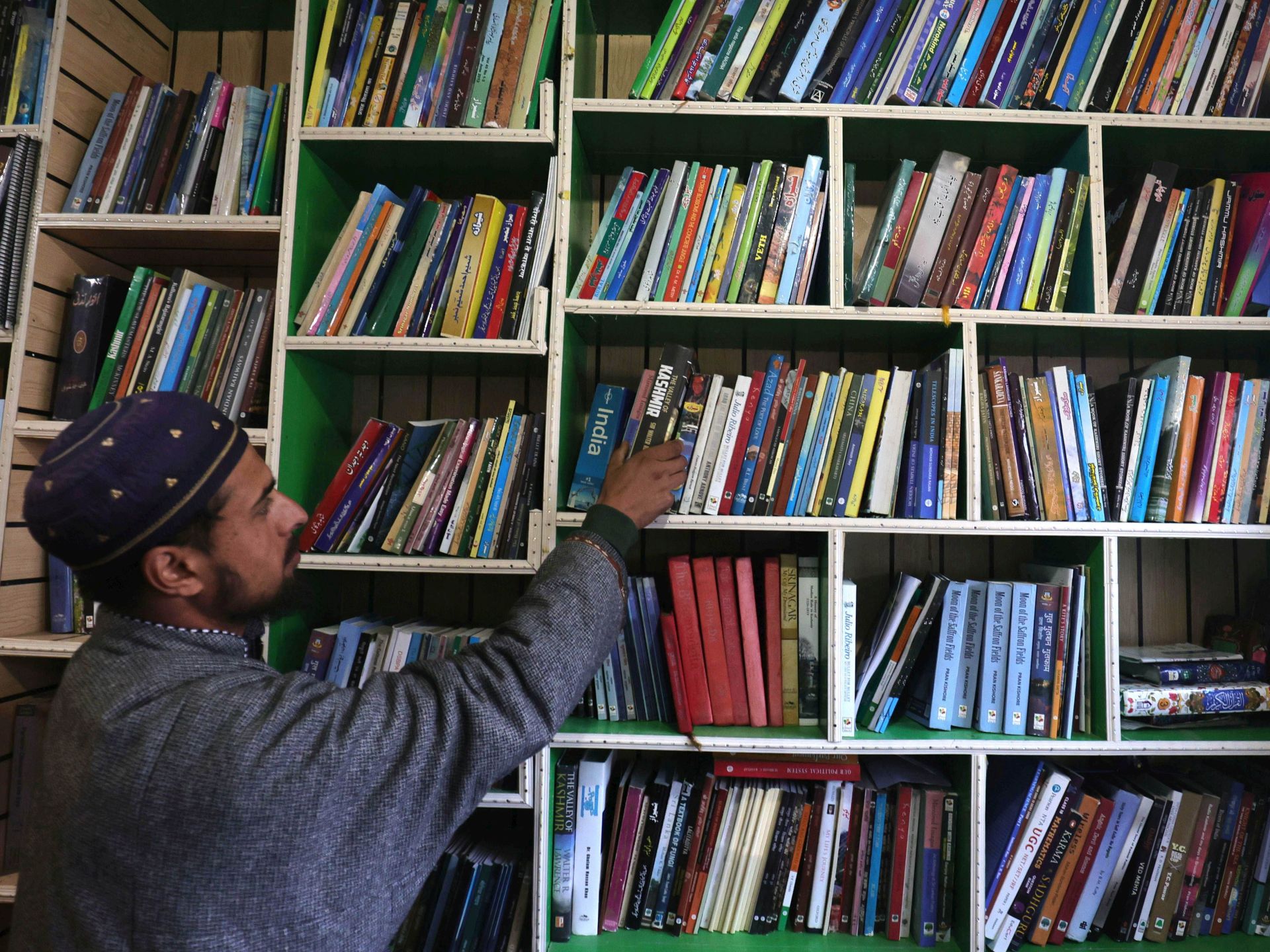
Authorities in India-administered Kashmir have ordered libraries and educational institutions to review books and academic material for content deemed unlawful or “anti-national,” according to a July 9 government order cited by Al Jazeera. The move affects schools, universities and public libraries in a region where education, journalism and civil society have faced tighter controls since New Delhi ended Kashmir’s semi-autonomous status in 2019.
The order directs institutions to vet books, journals, dissertations, doctoral theses and digital holdings for material the government describes as misleading, inflammatory, unlawful or otherwise objectionable. It also names content that officials say promotes or justifies terrorism, violent extremism, secessionism, radicalisation, communal disharmony or threats to India’s sovereignty and security.
Al Jazeera reported that authorities have also opened an inquiry into how books with what officials call “seditious content” reached public libraries and educational institutions. The inquiry began with school libraries and was later expanded to universities and digital academic collections.
Book on regional figures drew objections
The latest action followed objections by Sunil Sharma, a politician from India’s ruling Bharatiya Janata Party, to a book titled Personalities and Legends of J&K, Al Jazeera reported. The book was written by regional educationists Hilal Ahmad and Santosh Meena and includes entries on politicians, activists, writers, poets and historians connected to Jammu and Kashmir.
Authorities objected to the book’s inclusion of Kashmiri separatist figures, according to Al Jazeera. Among them is Maqbool Bhat, a separatist leader executed after an Indian court order in 1984, whom the book refers to as a “martyr.” The book also includes Masrat Alam Bhat, who led rallies during a 2010 uprising and has been jailed since his arrest during the 2019 crackdown, and Syed Ali Shah Geelani, a late separatist leader whose entry says he viewed Kashmir as a disputed region requiring a United Nations-backed political settlement.
Al Jazeera reported that the book, along with Great Personalities of Jammu and Kashmir by Sushant Giri, had been supplied to public and school libraries through a government-funded programme. Sharma accused those behind such books of “academic jihad” and told reporters they were aimed at pushing young people towards separatism and terrorism.
Police in Kashmir arrested three people connected to the publishers of the two books, Al Jazeera reported. They were charged with endangering India’s sovereignty, unity and integrity.
Residents and writers describe fear
Kashmir is divided between India and Pakistan, and both countries claim it in full. India revoked the region’s limited autonomy in 2019 and placed it under direct federal control.
A senior Kashmiri journalist told Al Jazeera, anonymously because of fear of reprisals, that writing or reading about Kashmir’s past had become risky. The journalist said they were removing old human rights reports and archival books from home shelves out of anxiety.
A Srinagar bookseller, also speaking anonymously to Al Jazeera, said shop owners were unsure which titles might be considered anti-national. The bookseller said similar uncertainty was spreading through school, college and university libraries, particularly in law, social sciences and humanities departments.
The BJP has defended the checks. Sharma told reporters the disputed book was an attempt to revive separatist ideas among young people and spread hostility towards India and its armed forces, according to Al Jazeera.
The current review follows earlier restrictions on books in Kashmir. Al Jazeera reported that authorities banned 25 books last year, including works by AG Noorani, Sumantra Bose and Arundhati Roy, and that police raided more than a dozen bookshops to remove them. Police also previously seized at least 668 books in Srinagar linked to Abul A’la Maududi, the 20th-century Islamic scholar who founded Jamaat-e-Islami, which is banned in Kashmir.
Journalist and writer Anuradha Bhasin, whose book The Dismantled State was among those banned last year, told Al Jazeera the latest action amounted to intimidation and said books were being treated as a security threat. Political scientist Sumantra Bose, whose works were also banned last year, called the new orders “absurd,” while Kashmiri anthropologist Mohamad Junaid described the book audits to Al Jazeera as “memoricide.”
This story draws on original reporting from Al Jazeera.