
Israeli West Bank raids hit at least 20 towns as settler attacks draw condemnation
Israeli forces raided West Bank towns, demolished homes and made arrests as Arab states condemned rising settler violence, Al Jazeera reported.
By Daniel Okafor · Business Editor
3 min read
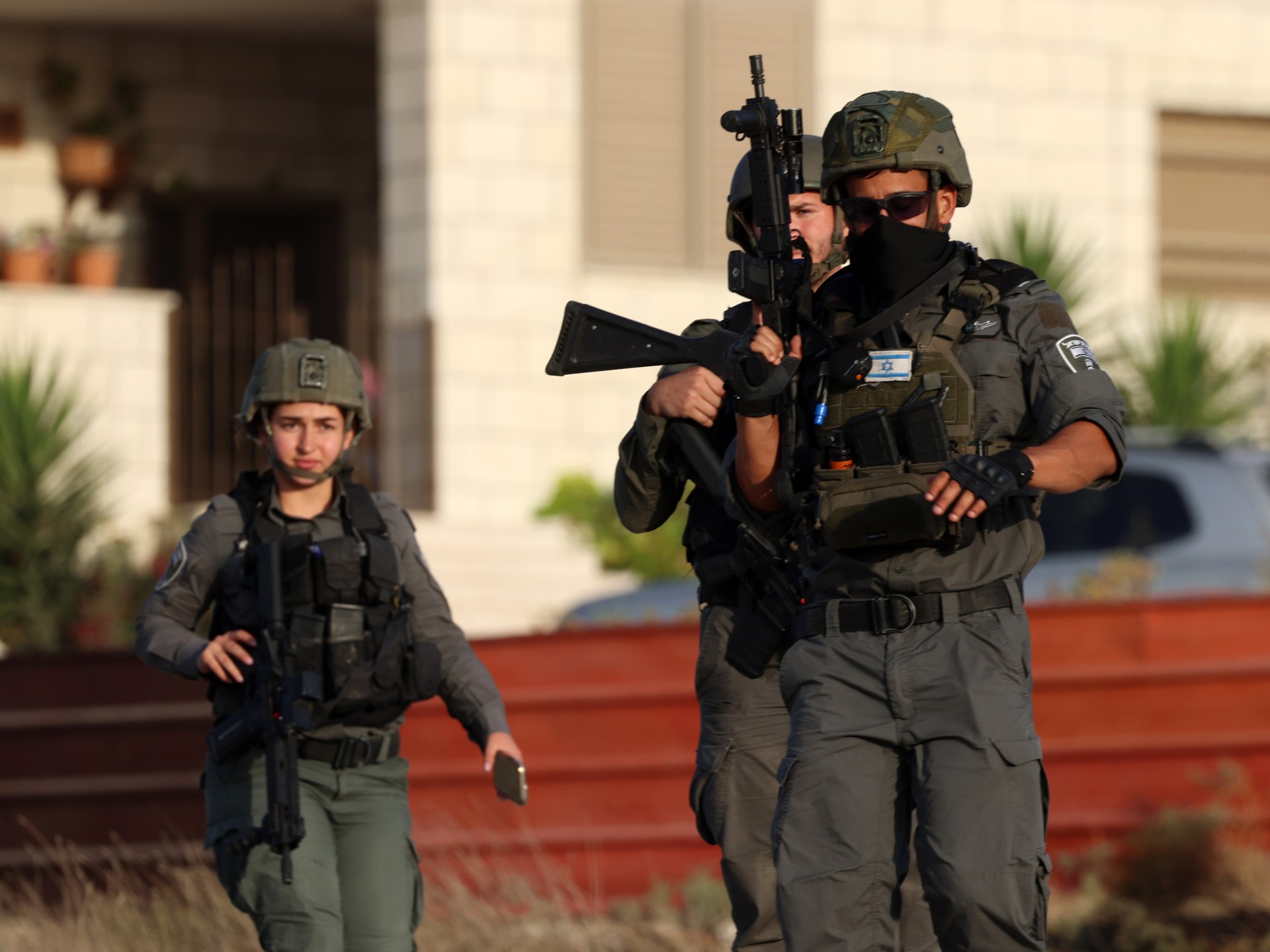
Israeli West Bank raids expanded across the occupied territory and East Jerusalem on Monday, with forces entering at least 20 towns and villages, demolishing homes and arresting dozens of Palestinians, Al Jazeera reported. The operations came as Arab governments and the Arab League condemned a rise in settler attacks on Palestinians and their property.
Al Jazeera reporters in the occupied West Bank said Israeli forces entered the Jabal Salman area of Beita, south of Nablus, and carried out demolitions in Nilin, west of Ramallah. In Arrabeh, in the Jenin area, troops moved in with military bulldozers, according to the report.
What happened in the Israeli West Bank raids?
Raids and arrests were reported across the northern and central West Bank. In Deir al-Ghusun, north of Tulkarem, five Palestinians were detained, Al Jazeera reported.
Quds News said four young men were arrested in raids on Balata camp and Asira al-Shamaliya in the Nablus area. Soldiers also raided homes and made arrests in Deir Jarir, Jalbon, Kafr Qaddum, Tal, Burqa, Beit Furik, Anabta, the Aktaba suburb, Qalqilya, Arroub camp and Beit Ummar, according to Al Jazeera.
Quds News also reported that Israeli soldiers stopped an ambulance carrying a pregnant woman from Qaryut to a hospital in Nablus during a medical emergency. The outlet said her condition worsened and she miscarried.
The West Bank is territory Israel has occupied since 1967. Israeli military raids there have intensified during the war in Gaza, and Palestinians say settler attacks have become more frequent and more aggressive.
What was reported about settler violence?
Al Jazeera said Palestinians in the Abu Fuzaa encampment near Taybeh, east of Ramallah, were attacked on Monday. In Al-Burj, south of Hebron, settlers released cattle among olive trees, damaging farmland, according to the report.
Al Jazeera correspondent Nida Ibrahim reported that settlers have been attacking Palestinians at home, often at night, and that Israeli forces typically arrest Palestinians rather than restrain settlers. She said Palestinians feel they have no protection, while settlers act with army backing and without accountability.
The Israeli military did not provide an account in the material reported by Al Jazeera.
Who condemned the attacks?
Palestinian President Mahmoud Abbas sent letters to world leaders, the European Union, the Arab League and the president of the UN Security Council urging action to stop Israeli aggression and settler violence, Al Jazeera reported.
Francesca Albanese, the UN special rapporteur on the occupied Palestinian territories, wrote on X that settler attacks amounted to “pogroms against defenceless civilians.” The United Arab Emirates, Jordan, Egypt, Saudi Arabia, Qatar, Algeria, Morocco, Tunisia, Oman, Kuwait and Bahrain also issued condemnations, including over the reported burning of a mosque in Tulkarem.
The Arab League warned the situation was nearing a “moment of explosion” and called for international intervention. Spain’s government said Israel must reverse settlement expansion and stop shielding settler violence against Palestinian civilians.
Hamas official Mahmoud Mardawi called attacks on mosques “systematic fascist crimes,” according to Al Jazeera. Haaretz quoted Israeli military officials describing the West Bank as “extremely dangerous and volatile,” and said senior officers had warned that government policy was encouraging settler violence.
Al Jazeera cited Arab League figures saying Israeli forces have killed nearly 1,200 Palestinians in the occupied West Bank since October 2023. The outlet also reported that more than 73,000 Palestinians have been killed in Gaza during the same broader war period.
This story draws on original reporting from Al Jazeera.