
Israeli strikes in Lebanon test US-Iran ceasefire deal
Washington is pressing for a halt across the region as analysts warn Israel’s Lebanon campaign could derail the US-Iran memorandum.
By Sofia Marchetti · World Affairs Correspondent
3 min read
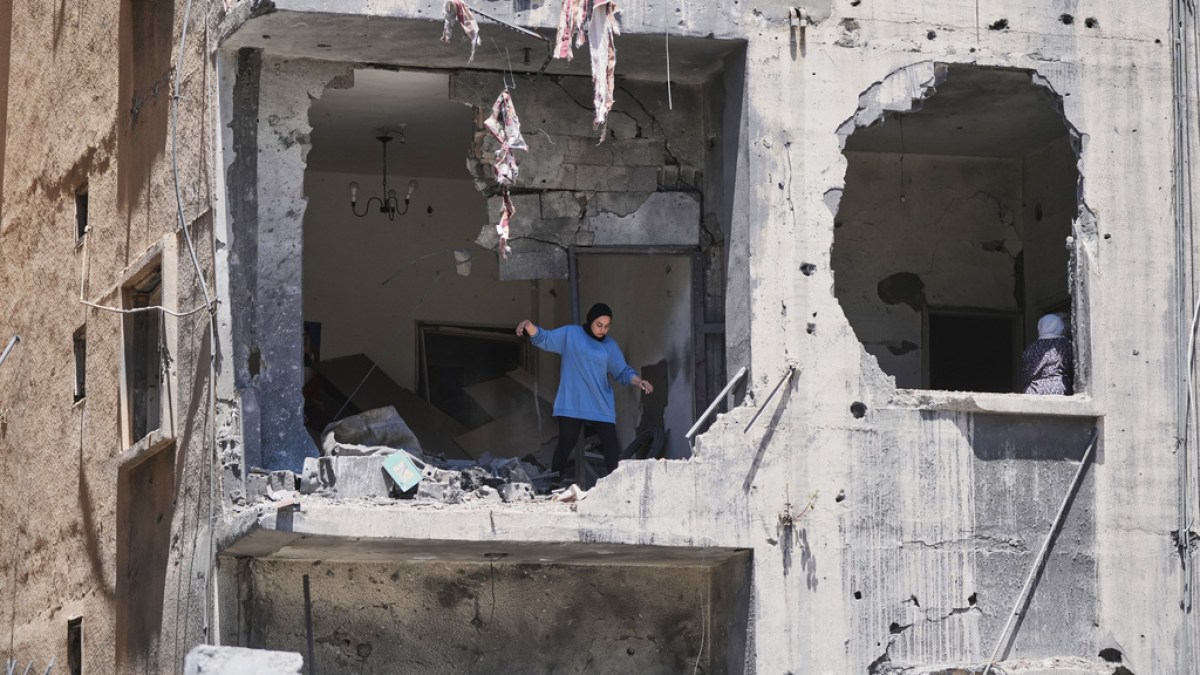
Israel’s continuing attacks in Lebanon are straining a US-Iran memorandum that calls for military operations to end across the region, including on the Lebanese front. Al Jazeera reported that planned US-Iran technical talks were postponed Friday after overnight Israeli strikes in Lebanon killed dozens of people.
The memorandum, signed by US President Donald Trump and Iranian President Masoud Pezeshkian, calls for the “permanent termination of military operations on all fronts, including in Lebanon,” according to Al Jazeera. Israel has continued deadly strikes and has said it intends to hold territory it has taken in Lebanon, which Al Jazeera reported amounts to nearly 20 percent of the country.
Trump signaled frustration Thursday in a social media post, writing that the United States was committed to peace and expected “a complete Ceasefire on all fronts, including Lebanon, Hezbollah, and Israel.” Al Jazeera reported that US officials said another ceasefire had been reached in Lebanon after Friday’s escalation, though Israeli attacks continued.
Iran has repeatedly said it will not finalize a ceasefire while Lebanon remains under Israeli attack, according to Al Jazeera. Supreme Leader Mojtaba Khamenei said Thursday he had received assurances from Pezeshkian that talks with Washington would protect the rights of “the Iranian nation and the resistance front,” a term used for Iran-aligned groups including Hezbollah in Lebanon.
Trita Parsi, executive vice president of the Quincy Institute for Responsible Statecraft, told Al Jazeera that Tehran is serious about demanding a ceasefire and an Israeli withdrawal from Lebanon. He said Lebanon has been the most fragile part of the arrangement because it is central to Iran’s position.
US supporters of Israel criticized the Lebanon language after the memorandum was announced. The American Israel Public Affairs Committee said Thursday that the text appeared to require Israel to halt efforts to disarm Hezbollah even though Israel was not a party to the memorandum and Hezbollah attacks were continuing.
Ryan Costello, policy director at the National Iranian American Council, told Al Jazeera that Lebanon is the strongest test of the broader ceasefire effort. He said negotiations could collapse and that fighting between Israel and Iran could resume if the issue is not contained.
The dispute over Lebanon has shadowed the ceasefire process for months, according to Al Jazeera. Pakistan, which served as lead mediator, announced an initial US-Iran ceasefire on April 8 and said it applied across the region, including Lebanon; Israel soon said it would not treat Lebanon as covered by that agreement.
Al Jazeera reported that Hezbollah entered the conflict in March after the killing of Iranian Supreme Leader Ali Khamenei and amid what it described as daily Israeli violations of a November 2024 ceasefire with Lebanon. The outlet reported that Israel’s campaign has destroyed towns, killed thousands and displaced more than one million people.
Vice President JD Vance said Thursday that Israel must respect the peace process with Iran. He told reporters that Trump was becoming frustrated when a potential diplomatic breakthrough was followed by an explosion in a civilian area of Beirut that killed people with no connection to Hezbollah, adding: “That’s not acceptable.”
Analysts told Al Jazeera that Washington would need to use its military and diplomatic leverage over Israel if it wants the memorandum to hold. Matthew Duss, executive vice president at the Center for International Policy, said Trump appears to understand that Prime Minister Benjamin Netanyahu’s Lebanon campaign could undermine the ceasefire.
This story draws on original reporting from Al Jazeera.