
Israeli forces expand control across Gaza despite ceasefire
Israeli forces now control nearly 70% of Gaza, according to NPR, as residents and aid groups describe shelling, gunfire and blocked relief access.
By Lucas Ferreira · Science & Environment Writer
3 min read
Israeli forces have expanded their area of control in Gaza months into a U.S.-brokered ceasefire, NPR reported, deepening civilian danger and restricting aid access. NPR said its analysis of Israeli leaders’ comments and military access maps for aid groups shows Israel now controls nearly 70% of the territory, up from about half when the ceasefire began in October.
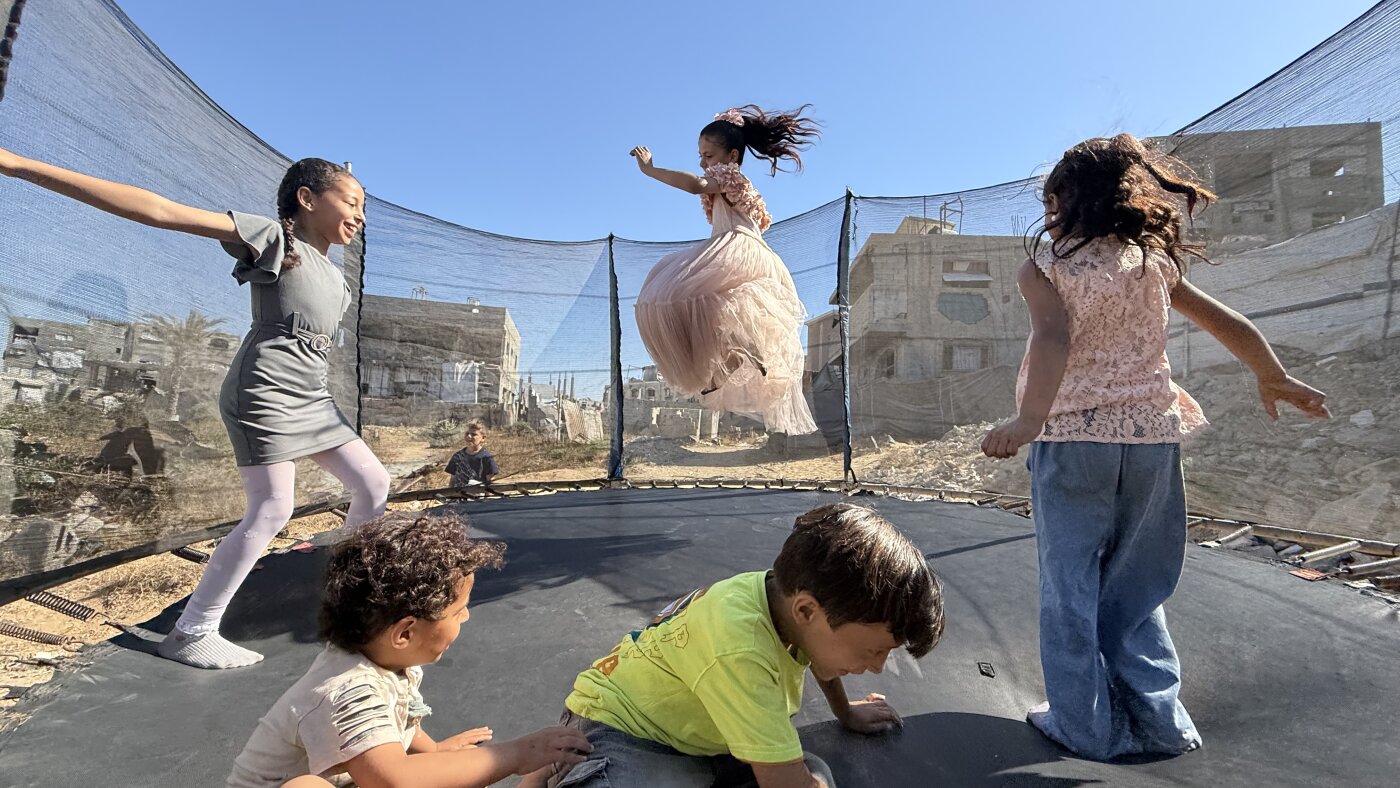
The expansion includes parts of al-Shujaiya in eastern Gaza City, where residents told NPR that tank fire and gunfire intensify after dark and that people avoid going outside at night. Israeli tanks and new military posts marked by Israeli flags are visible from the neighborhood, according to NPR.
President Trump’s peace plan called for Israeli withdrawal, new governance in Gaza and the disarmament of Hamas, NPR reported. Nine months after the ceasefire was brokered, the plan has stalled, while Israeli forces have moved farther into Gaza.
New zone restricts aid access
NPR reported that in mid-March Israeli troops took control of another 10% of Gaza by creating what the military calls an “orange zone” running north to south. The designation appeared on maps distributed to aid organizations and shared with NPR, according to the outlet.
Aid groups told NPR that Israel’s military now requires prior notification for entry into those areas. With more than 400 aid workers killed in Gaza during the war, aid groups have suspended operations in northern Gaza’s orange zone until access conditions are clarified, NPR reported.
Israel’s military did not respond to NPR’s repeated requests for comment. Residents of al-Shujaiya told NPR that aid operations in their area stopped in March and that ambulances need Israeli approval to enter.
The United Nations humanitarian office has said about 200 Palestinians have been killed by Israeli forces since the ceasefire began in areas near the military’s shifting yellow and orange lines. Those deaths are part of more than 1,000 killed across Gaza during the same period, according to Gaza’s health ministry, as reported by NPR.
Israel’s military has said in some incidents that troops opened fire in self-defense at people it said posed an immediate threat, according to NPR. The U.N. said one-third of those killed near the lines of control were women and children.
Netanyahu describes step-by-step expansion
Israeli Prime Minister Benjamin Netanyahu has described the expanding military footprint as part of a gradual plan to surround Hamas from all directions, NPR reported. In May, Netanyahu said Israel controlled half of Gaza when the ceasefire started and had expanded that control to 60%.
After a person in the audience called for Israel to take 100% control, Netanyahu replied, “First, 70%. Let’s go for that,” and said Israeli forces were hitting Hamas from every direction, NPR reported.
On the ground, NPR reported, there are no clear signs showing where the orange zone begins or ends. The original yellow line, which marked the boundary between Israeli-controlled Gaza and areas run by Hamas, has also shifted deeper into Gaza and is only partly marked in some places.
Families remain in ruined neighborhoods
Al-Shujaiya had about 500 families at the start of the ceasefire, residents told NPR. Fewer than 50 families remain in an area that was home to more than 100,000 people before the war, according to NPR.
Residents said the neighborhood has no clinics, bakeries or shops, and that the nearest drinking water is a 30-minute walk away. NPR described streets with few people even in daytime, amid rubble, debris and uncollected garbage.
Saeed al-Hattab told NPR that leaving home after sunset is dangerous because people fear bullets or missiles. He and his wife, Niveen al-Hattab, live with their younger son in a ground-floor shop beneath their destroyed apartment building, NPR reported.
Niveen al-Hattab told NPR the family had already been displaced repeatedly and had no tent after an Israeli airstrike destroyed the one they had during the war. Gaza’s health ministry says more than 73,000 people have been killed in Israeli attacks, NPR reported.
This story draws on original reporting from NPR.