
Israel media reforms face court freeze before October election
Israel’s High Court froze parts of a media law critics say could weaken press independence before voters go to the polls.
By Daniel Okafor · Business Editor
3 min read
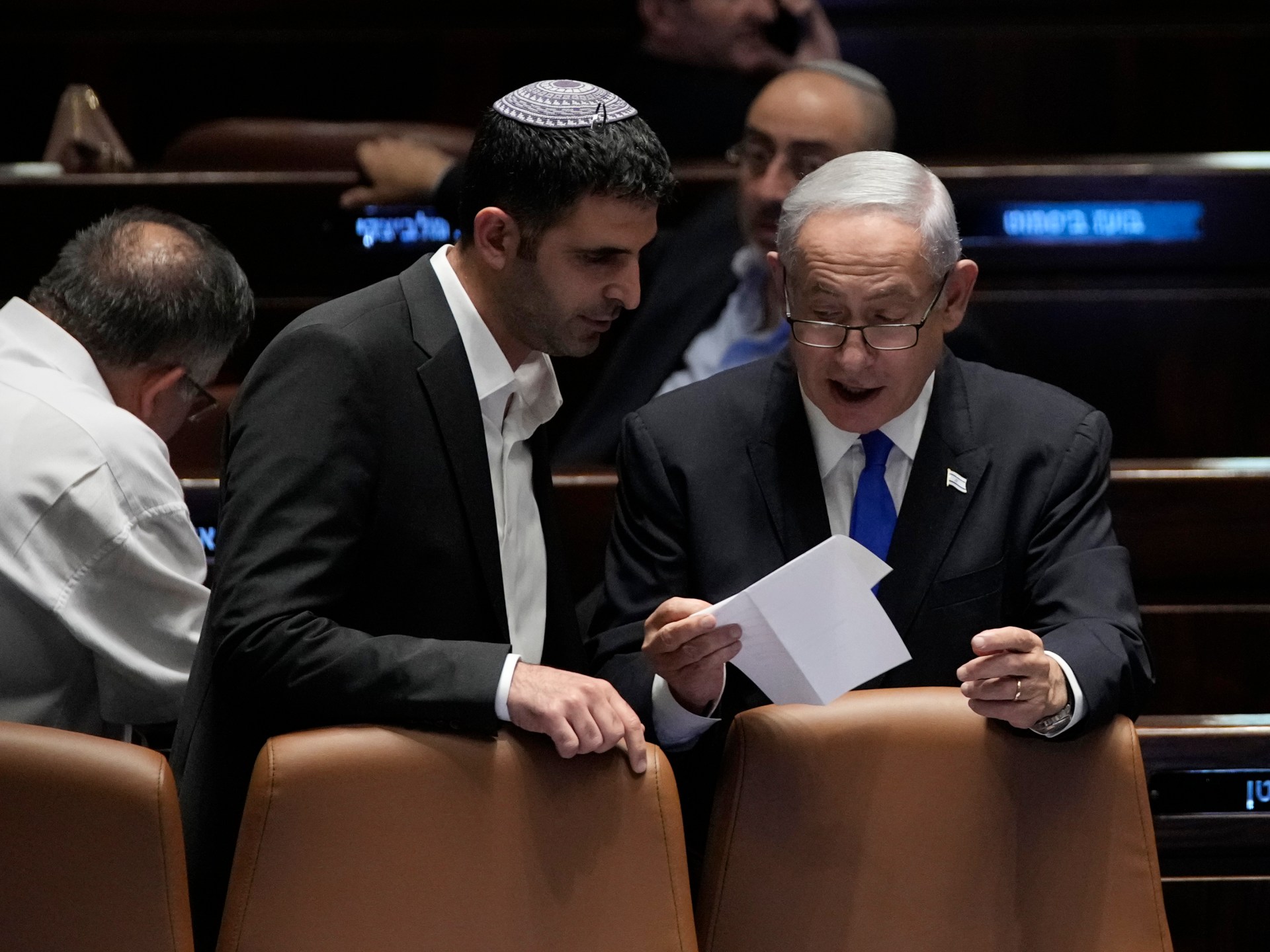
Israel media reforms passed by the Knesset have been partly frozen by the High Court of Justice after media freedom groups and opposition lawmakers warned the law could reshape news coverage before the October 27 election, Al Jazeera reported.
The measure, advanced by Prime Minister Benjamin Netanyahu’s right-wing coalition in a rush of legislation before parliament’s dissolution, would give the government more influence over news and broadcasting, according to Al Jazeera. Critics say the timing and scope of the changes could affect what voters see and hear during the campaign.
What are Israel media reforms changing?
According to Al Jazeera, the law removes several existing checks on the media sector, including limits on owning multiple outlets and requirements tied to basic journalism standards. It also rolls back oversight rules that had applied to broadcasters and news organisations.
The Union of Journalists in Israel, watchdog groups and opposition parties asked the court to stop the provisions that were due to start immediately, Al Jazeera reported. They argued that changes to ownership rules and newsroom standards could create lasting damage before the election.
The court froze parts of the law after the July 17 vote, while allowing other less contested sections to remain in place, according to Al Jazeera. The government has until Sunday to respond, after which the court is expected to decide whether to keep the freeze, expand it or let the blocked provisions take effect.
Netanyahu’s role draws conflict-of-interest scrutiny
Netanyahu did not vote on the bill, Al Jazeera reported. He is bound by a 2020 conflict-of-interest agreement that prevents him from taking part in government decisions that could affect his corruption trial, where one allegation involves using his office to influence media coverage of his government.
Communications Minister Shlomo Karhi publicly thanked Netanyahu after the bill passed, saying the prime minister had given him a mission four years earlier to deliver a right-wing overhaul of the media. Israeli media reported that such a directive could raise questions under Netanyahu’s conflict-of-interest agreement, according to Al Jazeera.
Neither the Prime Minister’s Office nor the Communications Ministry answered Al Jazeera’s questions on whether Netanyahu’s role created a conflict. Karhi later said he had obtained a legal opinion finding that Netanyahu had not breached the agreement.
Karhi defended the measure in a social media post, saying it would mean “more right-wing coverage and less regulation,” according to Al Jazeera.
Press groups warn about election coverage
Reporters Without Borders representative Martin Roux told Al Jazeera that Netanyahu and Karhi had repeatedly shown hostility to independent journalism in Israel. Roux said the reforms threatened Israelis’ access to reliable information from varied sources as the election approaches.
Ayala Panievsky, a London-based Israeli academic and media analyst, told Al Jazeera the changes fit a broader effort by Netanyahu to weaken independent reporting while strengthening friendly media. She pointed to Channel 14, which she described as strongly supportive of Netanyahu’s government.
Al Jazeera reported that some analysts have long criticised Israeli current affairs coverage as heavily nationalist and often limited in its attention to Palestinians and Palestinian suffering. A Molad report cited by Al Jazeera found that only 3 percent of Channel 12’s early war coverage referred to Gaza’s humanitarian crisis, and that two of 206 visuals showed Palestinian civilian casualties.
Political analyst Ori Goldberg told Al Jazeera that Gaza is largely absent from Israeli media coverage and that panel discussions on Israel’s wars are often dominated by former generals. Goldberg said Netanyahu seeks media coverage that remains only lightly critical while still allowing him to portray the press as an internal opponent.
This story draws on original reporting from Al Jazeera.