
Israel cabinet approves 13 settlements in central West Bank
Palestinian officials say the plan would fragment West Bank territory and deepen Israeli control around Jerusalem, Ramallah and the Jordan Valley.
By Lucas Ferreira · Science & Environment Writer
3 min read
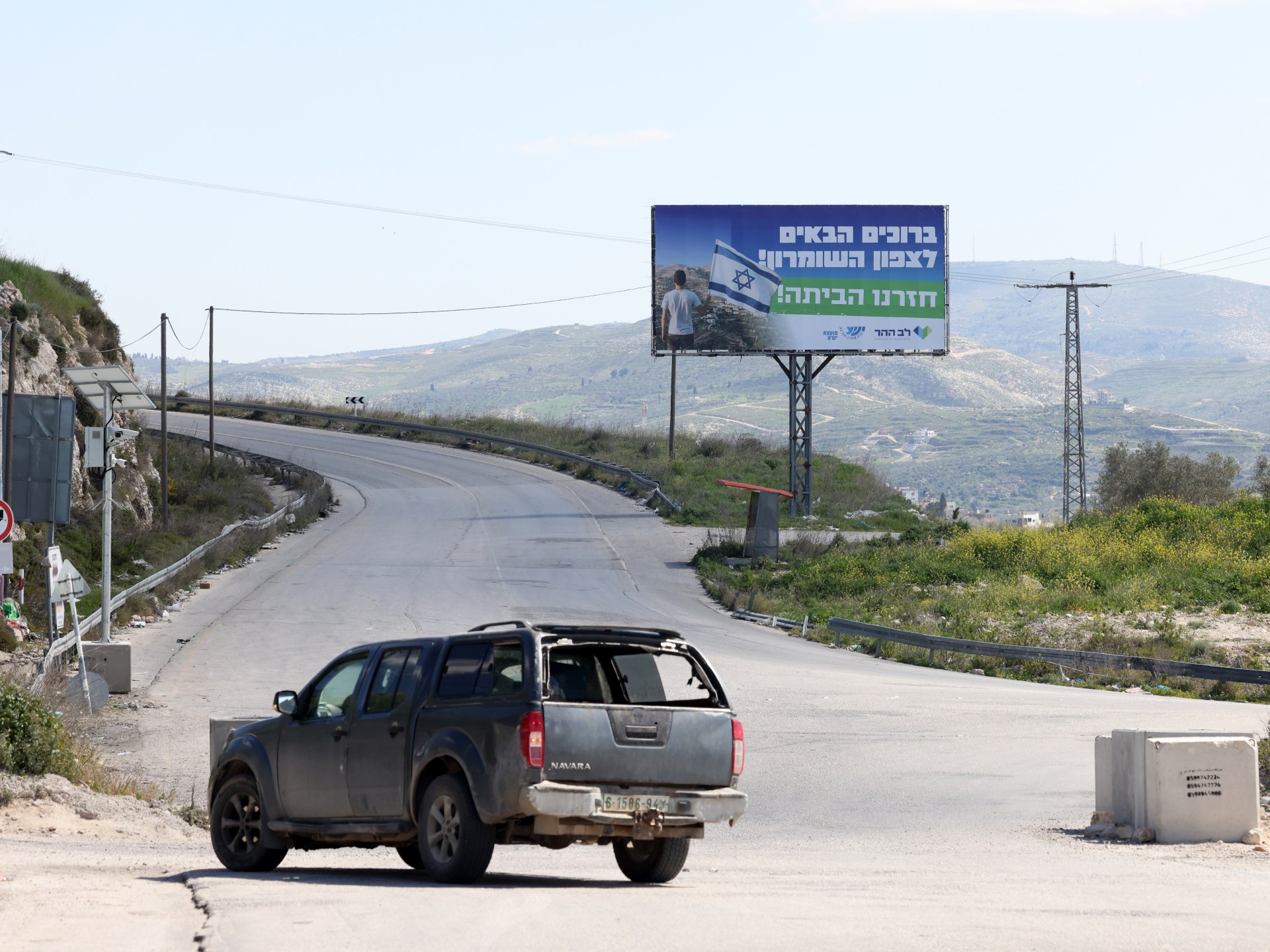
Israel’s Security Cabinet has approved a plan for 13 new settlements in the central occupied West Bank, according to Israel’s Channel 7. Palestinian officials say the move would further break up Palestinian territory and cut East Jerusalem off from nearby communities.
Channel 7 reported that the cabinet cleared the construction plan on Thursday for the Binyamin regional area, one of the largest Israeli settlement blocs in the West Bank. The area sits along Route 60, the main north-south road through the territory, which links Palestinian cities including Nablus, Ramallah and Bethlehem while also serving major Israeli settlements.
Palestine’s Jerusalem governorate said the first stage is expected to start in the coming months and would include four to six new settlements. The governorate said the work would be backed by investments worth millions of shekels.
The governorate also said several existing pastoral outposts are due to be formally legalised, a step that would allow them to receive state funding and infrastructure. It said the broader plan centers on two corridors: one northwest of Jerusalem and west of Ramallah along Route 60, and another stretching east toward the Jordan Valley.
Palestinian officials warn of territorial break-up
The Jerusalem governorate said the plan aims to connect settlement blocs, strengthen Israeli control over strategic high ground and limit Palestinian territorial continuity. In a statement, it said the policy would create new facts on the ground and damage prospects for a contiguous Palestinian state.
The governorate described the approval as a dangerous escalation and said it violated international law. It also linked the pace of settlement activity to Israeli domestic politics, citing the approach of Knesset elections, and called for international intervention.
The decision comes during a sharp rise in Israeli settlement activity, according to data from the Palestinian Forum for Israeli Studies, known as MADAR. The group said new settlement outposts averaged about eight a year from 2012 to 2022, then rose to 32 in 2023, 62 in 2024 and 86 in 2025.
MADAR said Israeli state funding has helped support that growth. According to the group, the government allocated 28 million shekels, or $7.5 million, to outposts in 2023 and 75 million shekels, or $20 million, in 2024, with plans to fund 70 outposts in all.
The Binyamin plan follows reports that settlement groups are preparing moves aimed at Area A, land designated under the Oslo Accords as being under full Palestinian control. Al Jazeera reported that such a push would breach those agreements.
Palestinian officials have repeatedly warned that settlement expansion is weakening the possibility of a two-state solution. More than 700,000 Israeli settlers live in the West Bank and East Jerusalem, territories Israel captured in the 1967 war, according to the report.
Most of the international community regards Israeli settlements in the occupied Palestinian territories as illegal under international law. Israel disputes that position.
This story draws on original reporting from Al Jazeera.