
Iraq’s prime minister heads to Washington with energy deals in focus
Ali al-Zaidi’s first foreign trip as Iraqi prime minister pairs economic goals with US concerns over armed factions and Iran’s influence.
By Daniel Okafor · Business Editor
3 min read
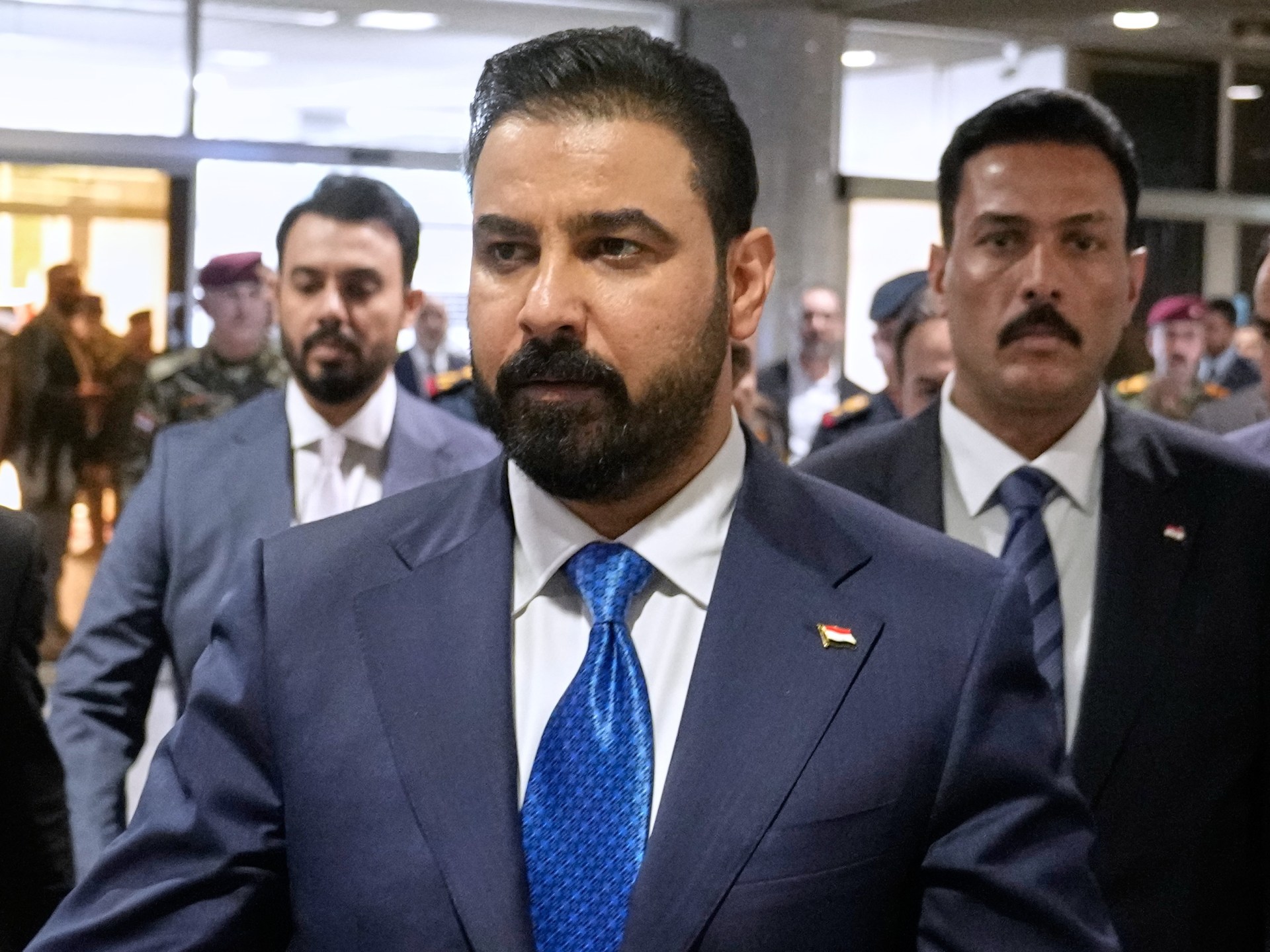
Iraqi Prime Minister Ali al-Zaidi is heading to Washington for his first foreign trip since taking office in May, with energy, trade and investment agreements expected during talks with US President Donald Trump. The visit puts Iraq’s push for US economic backing alongside Washington’s concerns over Iran-backed factions and state control of weapons.
Al Jazeera, citing Iraqi officials and other sources, reported that al-Zaidi’s meetings this week are expected to focus on energy cooperation, trade and investment with US companies. Iraqi government spokesman Haider al-Aboudi told reporters on Sunday that Baghdad wants to shift ties with Washington from crisis management toward a strategic economic partnership.
Al-Aboudi said the government is seeking a durable relationship rather than a short-term arrangement. He said oil would be a top priority, with Iraq looking to increase production and develop alternative export routes to reduce exposure to any future closure of the Strait of Hormuz.
Oil, exports and an investment fund
According to Al Jazeera, Iraq was among the countries hit hard by the recent closure of the Strait of Hormuz during the US-Israel war on Iran. About 90 percent of Iraq’s 3.4 million barrels per day in oil exports passes through the waterway, the report said.
Al-Aboudi said Iraq will discuss a proposed energy and development fund with the United States to finance projects, particularly in the energy sector. Al-Zaidi has previously said the fund would initially be structured around 500,000 barrels per day in oil exports, with a target of increasing that amount to as much as two million barrels per day.
The prime minister has also said Iraq wants to lift oil production to seven million barrels per day within three years, compared with current output of about 4.5 million barrels per day, according to Al Jazeera.
Abdulrahman Almashhadani, an Iraqi economic expert and professor, told Al Jazeera that Iraq needs cooperation with the United States in oil, gas, electricity and petrochemicals. He said the unresolved issue is whether Baghdad can provide the security and stability needed to attract US companies, particularly as the government promises to bring weapons under state authority.
Security issues shadow the talks
Sources told Al Jazeera that Iraq’s delegation includes more than 70 people, among them senior ministers, the central bank governor, the national security adviser, lawmakers and business figures. One well-informed source said meetings with US administration officials and the International Monetary Fund are planned, and that Iraq is seeking an IMF loan of up to $8bn.
A separate well-informed source told Al Jazeera that the US side is expected to raise the disarmament of pro-Iran armed factions, the broader issue of weapons under state control and Baghdad’s relationship with Tehran.
In his first parliamentary speech as prime minister, al-Zaidi pledged that the state would control weapons in Iraq, where paramilitary groups, including many backed by Iran, have held power since the 2003 US-led invasion, Al Jazeera reported. Some factions accepted the pledge, while others, including groups that fired missiles and drones at US facilities during the war on Iran, rejected it.
Hours before al-Zaidi’s trip, the Islamic Resistance in Iraq, an umbrella group that includes Iran-backed armed groups, rejected the visit and its potential outcomes. “We will not give a blank cheque for all government policies. We warn against replacing military occupation with an economic occupation that is even more dangerous,” the group said in a statement, adding that “defending Iraq and its legitimate interests” remained an option.
Al-Zaidi has said his government wants to carry out a 2024 agreement with the US-led coalition to end its combat-force presence in Iraq by the end of September. Ehsan al-Shammary, a professor of international studies at Baghdad University, told Al Jazeera that Iran’s influence in Iraq is likely to overshadow the economic agenda and could determine the outcome of the visit.
This story draws on original reporting from Al Jazeera.