
Iran’s supreme leader urges unity as US conflict strains politics
Mojtaba Khamenei warned against domestic division as renewed US-Iran fighting and anger over a suspended deal test Tehran’s leadership.
By Lucas Ferreira · Science & Environment Writer
3 min read
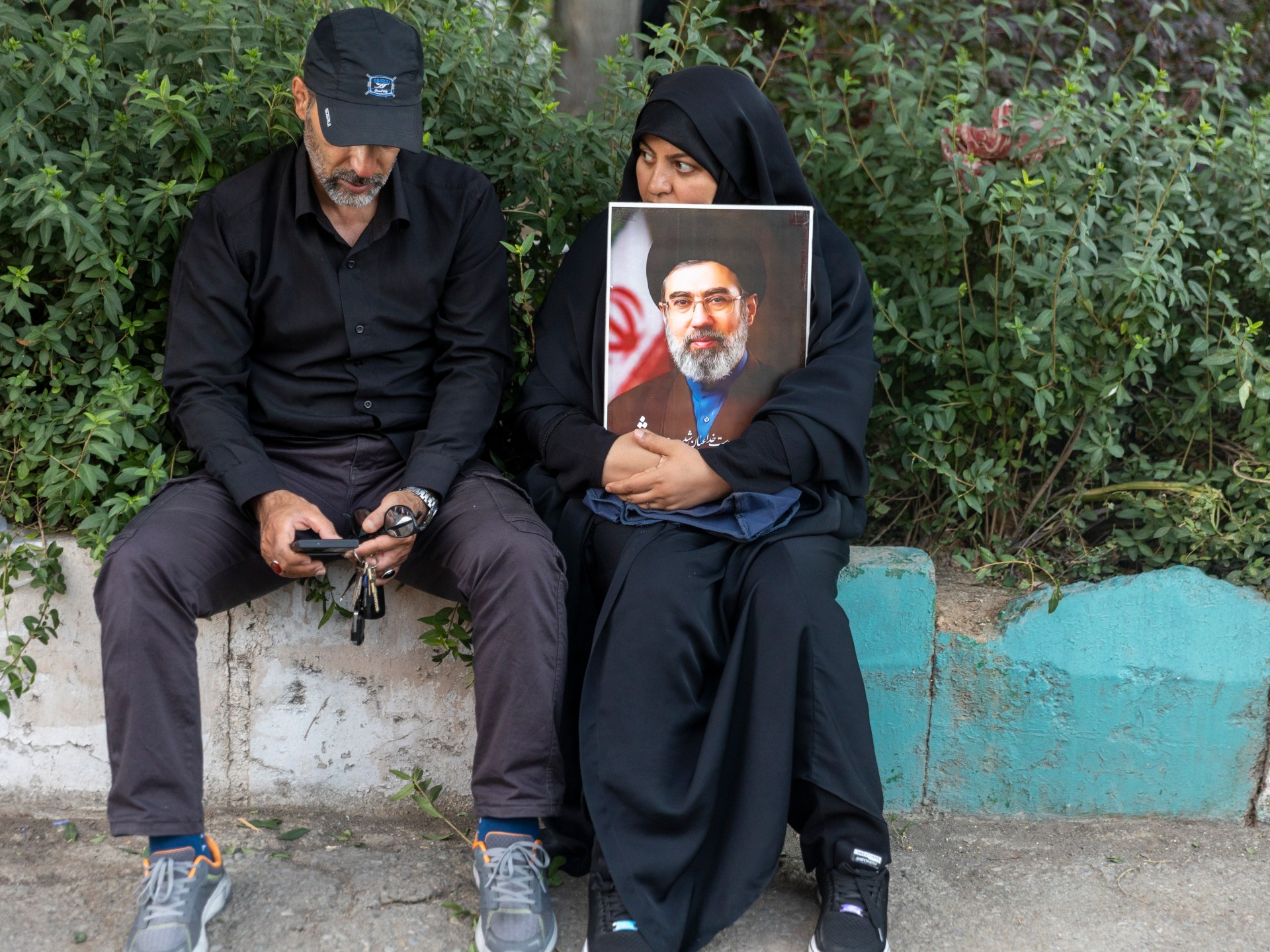
Iran’s Supreme Leader Mojtaba Khamenei has urged Iranians and state officials to avoid political infighting as the country faces renewed military confrontation with the United States, Al Jazeera reported. The appeal matters because disputes over a suspended agreement with Washington have exposed strains among Iran’s political and security factions.
In a message attributed to Khamenei, who Al Jazeera said has not appeared publicly or been heard from since becoming supreme leader in March, he called “sacred unity” a basic duty, especially in the face of the United States. The same message warned Washington of “unforgettable lessons” amid eight nights of renewed fighting between the two countries, according to Al Jazeera.
Khamenei said Iranians and officials had a responsibility to avoid “division, political disputes, and increases in social differences,” Al Jazeera reported. He added that Iran’s enemies, apparently referring to the United States and Israel, should not see weakness inside Iran.
Pressure over the US agreement
The unity message followed weeks of argument inside Iran over a memorandum of understanding with the United States, according to Al Jazeera. In June, Khamenei said he had a different view of the deal, which paused four months of fighting, but approved it after President Masoud Pezeshkian, as head of the Supreme National Security Council, took responsibility for accepting it.
Al Jazeera reported that some hardline supporters of the Islamic Republic were angered by the agreement and continued to gather at night in city squares and streets with support from armed security forces. Critics accused officials of accepting a poor deal, and hardline clerical lawmaker Mahmoud Nabavian read classified material on live television in an apparent bid to disrupt the arrangement, according to Al Jazeera.
Nabavian was removed from parliament’s National Security and Foreign Policy Committee earlier this month, Al Jazeera reported. During funeral ceremonies for assassinated former Supreme Leader Ayatollah Ali Khamenei, Pezeshkian and other officials associated with the deal were heckled, and some critics accused officials of treason, according to the outlet.
Tehran has suspended the memorandum, Al Jazeera reported. The arrangement was already close to collapse after Iran and the United States exchanged fire over the Strait of Hormuz during the past week.
Officials stress a united line
After Khamenei’s statement, Iranian officials sought to display agreement between the armed forces and the political leadership, Al Jazeera reported. Ali Abdollahi, head of Iran’s wartime joint command, said the armed forces would follow Khamenei’s call for unity and national cohesion.
Abdollahi also warned the United States, calling it a “big Satan and criminal enemy,” and said it would face a “decisive and destructive response” for attacks on Iran, according to Al Jazeera. The outlet reported that recent strikes have destroyed bridges, roads and other civilian infrastructure.
Pezeshkian thanked Khamenei for what he called a wise message and pointed to the supreme leader’s call for trust in the heads of government, parliament and the judiciary, Al Jazeera reported. Parliament Speaker Mohammad Bagher Ghalibaf, who has faced criticism from hardliners as chief negotiator in talks with the United States, also said obeying Khamenei’s directive was central to Iran’s success.
Al Jazeera reported that the public messages followed anonymous briefings by senior US officials in Washington that blamed the Hormuz escalation on an “errant” hardline faction inside Iran seeking to block talks. Iran’s state-linked Khorasan newspaper said Khamenei’s message meant criticism was acceptable but accusations against officials were not, according to Al Jazeera.
Foreign Minister Abbas Araghchi continued to support a negotiated end to the war in an interview released Sunday, Al Jazeera reported. But with retaliatory strikes still under way, the outlet said there was no sign that the two sides were returning to negotiations.
This story draws on original reporting from Al Jazeera.