
Iran’s supreme leader says he cleared US accord despite reservations
Ayatollah Mojtaba Khamenei said he approved the US-Iran memorandum after officials pledged to protect Tehran’s interests.
By James Whitfield · Staff Writer
3 min read
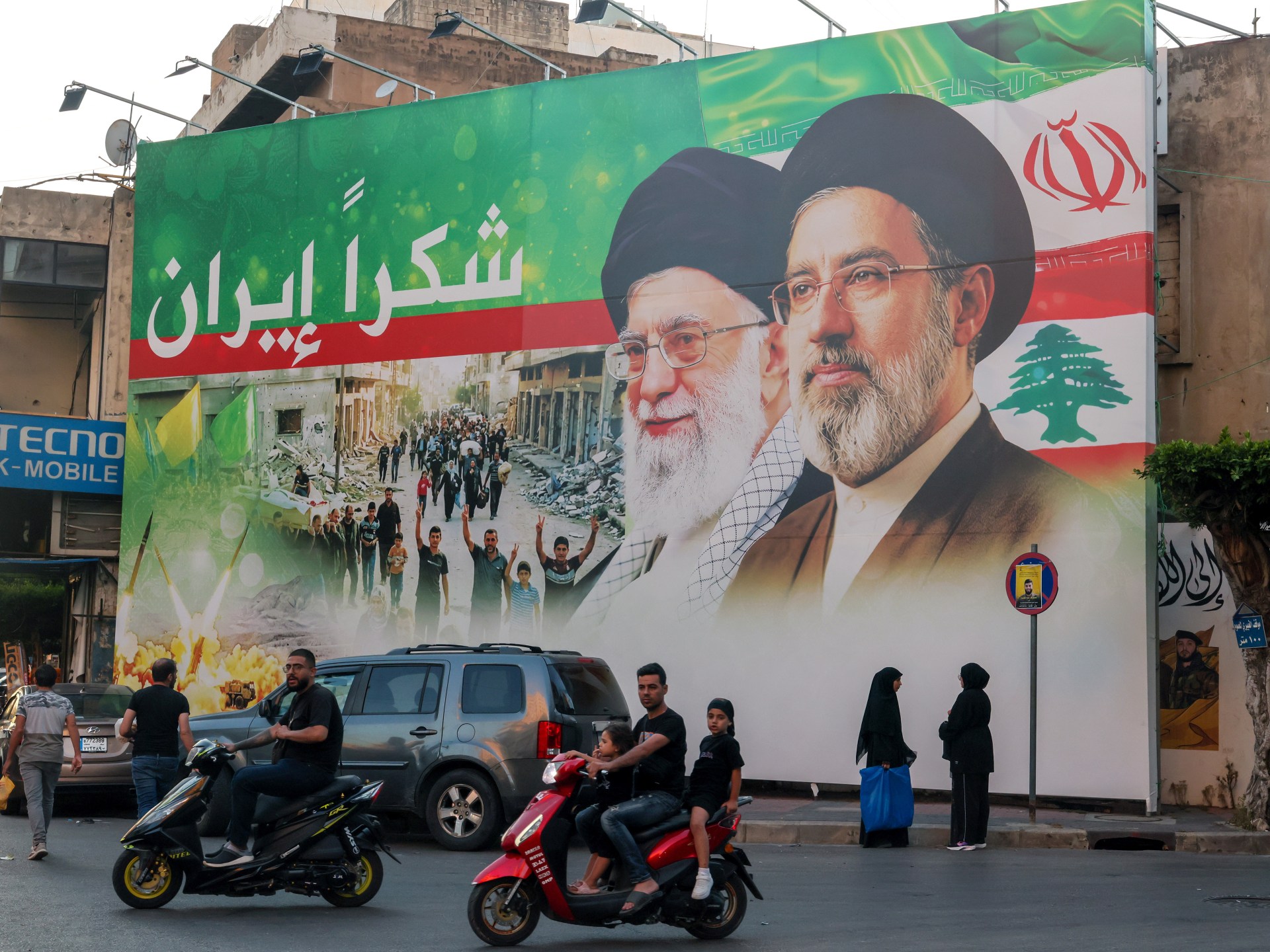
Iran’s supreme leader said he allowed a new understanding with Washington to go ahead despite personal reservations, a signal of guarded support for a deal meant to cool a wider regional conflict. Iranian state media reported Thursday that Ayatollah Mojtaba Khamenei approved the memorandum after senior officials promised to defend Iran’s interests.
In a written statement carried by Iranian state media, Khamenei said he had “a different opinion” on the agreement. He said President Masoud Pezeshkian and other Iranian officials accepted responsibility for the deal and pledged to protect “the rights of the Iranian nation and the resistance front.”
Khamenei also warned against further US pressure, saying Iranian leaders would reject additional demands from Washington if the American side sought more concessions. At the same time, he backed direct talks with the United States, saying future face-to-face negotiations would not amount to accepting the enemy’s position.
Swiss talks still in question
The comments came before planned talks in Switzerland on implementing the memorandum. Iran’s semi-official Tasnim news agency, citing an unnamed source familiar with the issue, reported that Tehran had not made a final decision on whether to send a delegation and that internal consultations were continuing.
Switzerland’s Federal Department of Foreign Affairs said the meeting was still expected to take place as scheduled. According to the report, US President Donald Trump and Iranian President Masoud Pezeshkian signed the memorandum electronically this week after a ceasefire deal aimed at ending fighting that followed US and Israeli attacks on Iran on February 28.
US Vice President JD Vance said Thursday that a 60-day negotiating window between Washington and Tehran had begun. Vance also said limits on maritime traffic to Iranian ports had been removed.
The talks are expected to address sanctions relief, according to the report. Other unresolved issues include Israel’s military presence in southern Lebanon and Hezbollah’s future role.
Lebanon and nuclear issues remain unresolved
Israeli Prime Minister Benjamin Netanyahu said Thursday that Israeli forces would not withdraw from southern Lebanon for the foreseeable future. Trump, writing on social media, said the United States expected the deal to bring “a complete ceasefire on all fronts,” including Lebanon, Hezbollah and Israel.
The memorandum gives negotiators as long as 60 days to reach a final deal on Iran’s nuclear programme, according to the report. Rafael Mariano Grossi, director general of the International Atomic Energy Agency, welcomed the signing and said the UN-affiliated watchdog was ready to help with verification steps.
Grossi said the next phase would require US, Iranian and IAEA officials to define the practical measures needed. “Now the technical work starts,” he said.
Shipping restrictions eased
Iran has moved toward reopening the Strait of Hormuz under the agreement, while the United States has ended its naval blockade of Iranian ports, according to the report. Iran’s Supreme National Security Council said commercial ships using the strait would not pay passage fees for 60 days.
The council said vessels must apply to Iranian maritime authorities and use assigned routes and schedules because of safety and navigation concerns. US Central Command said American forces were no longer blocking ships travelling to or from Iranian ports in the Gulf and Gulf of Oman.
The easing of restrictions prompted some governments and companies to change their posture. The United Kingdom said it was no longer advising against non-essential travel to parts of the Gulf, including the United Arab Emirates, Qatar and Kuwait.
Kuwait Petroleum Corporation said it had lifted all force majeure notices issued during the conflict. The company said production would increase to two million barrels per day within a week as shipping through the Strait of Hormuz resumes.
This story draws on original reporting from Al Jazeera.