
Iran strikes Kuwait and Bahrain after latest US attacks
Kuwait said an Iranian strike ignited a fire at a power and water plant, while Bahrain reported its air defenses intercepted attacks.
By Daniel Okafor · Business Editor
3 min read
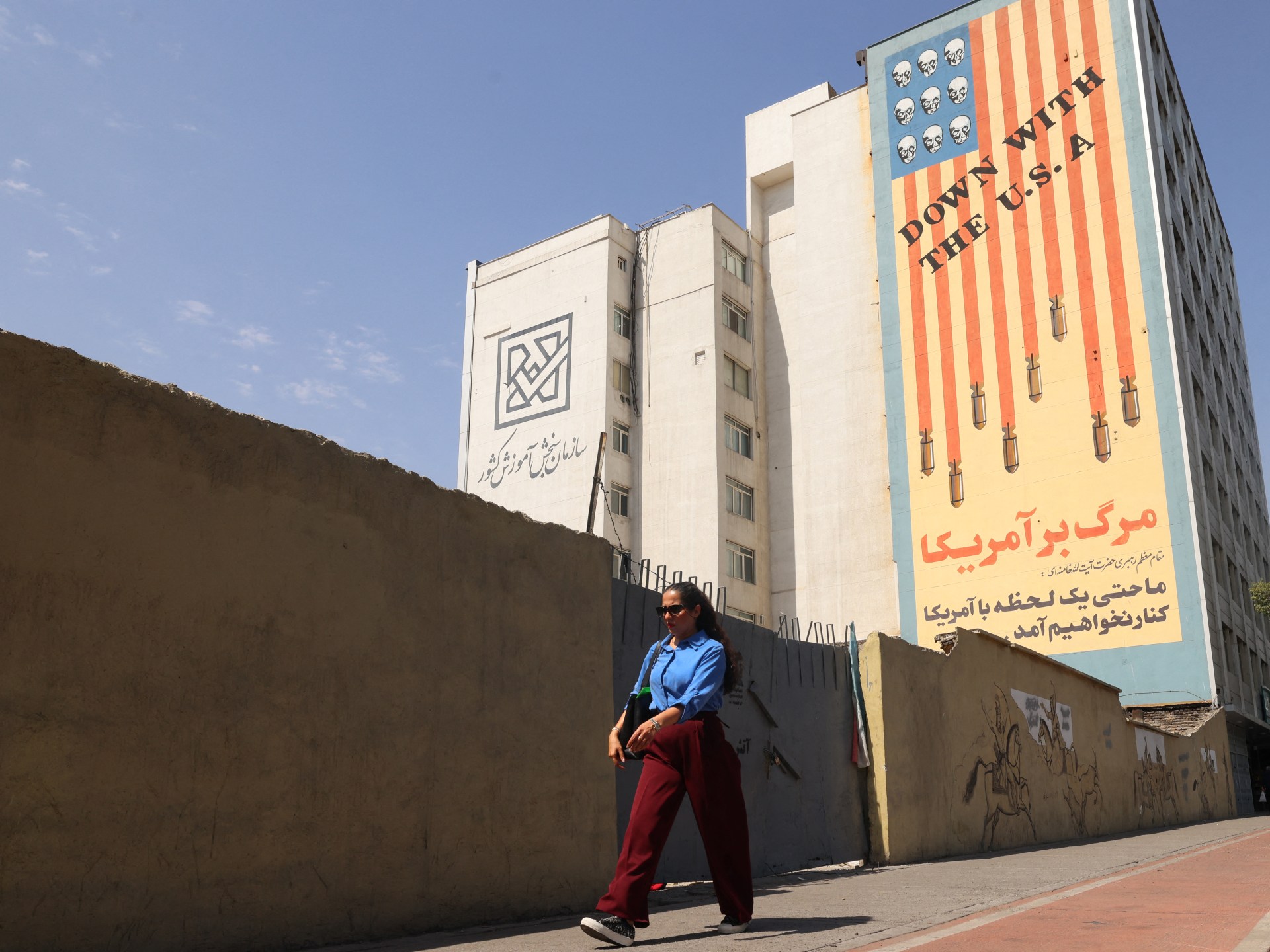
Iran launched drones and missiles at Kuwait and Bahrain on Sunday, widening attacks on Gulf states that host US military facilities, according to Al Jazeera and AFP. Kuwait said one strike caused a fire at a power and water plant, while Bahrain said its air defenses stopped Iranian attacks.
The strikes followed an eighth straight night of US attacks on Iran, according to Al Jazeera and AFP. Washington said those strikes were meant to punish Islamic Revolutionary Guard Corps forces after earlier attacks in Jordan killed two US service members.
Kuwait’s Ministry of Electricity, Water and Renewable Energy condemned what it called “heinous Iranian aggression,” Al Jazeera and AFP reported. Bahrain’s military said its air defenses had thwarted “treacherous” Iranian attacks.
Iran’s army said on the IRIB broadcaster that one of its attacks in Kuwait targeted a US ammunition depot at Camp al-Adiri and air defense radars at Ali Al Salem airbase. Al Jazeera and AFP reported that Ali Al Salem hosts US personnel.
Iran’s army said in the same statement that its forces would “remain firm and steadfast” in defending Iranians “against the enemies of Iran and humanity.”
Missile reported near Aqaba
Israel’s military said an Iranian missile was fired toward the Jordanian city of Aqaba on Sunday, according to AFP. Sirens reportedly sounded in Jordan, and Israeli and Jordanian forces intercepted the missile, the Israeli military told AFP.
The US military said its overnight strikes on Iran also aimed to reduce Iran’s ability to threaten commercial shipping in the Strait of Hormuz, according to Al Jazeera and AFP. Iranian media reported that the US strikes hit areas in Hormozgan and Khuzestan provinces, as well as Qeshm Island.
Al Jazeera correspondent Tohid Asadi, reporting from Tehran, said the latest US attacks were less intense than earlier nights of strikes. Later Sunday, Iran’s nuclear energy agency said the US had attacked a nuclear power plant under construction in southwestern Iran and called the strike a violation of international law.
Hormuz tensions rise
The Strait of Hormuz also saw new tension Sunday, according to Al Jazeera and AFP. The IRGC said it blocked two ships that had tried to use what it described as an “unsafe route” and said both vessels had been involved in an unspecified “accident.”
Al Jazeera and AFP reported that the strait has become a key dispute since a US-Iran Memorandum of Understanding signed last month extended an April ceasefire and called for the waterway to reopen gradually. Iranian officials say Tehran has the right to keep managing shipping through the strait, while the US says Iran does not control the waterway and has reimposed a naval blockade on Iranian ports.
Paul Musgrave, a professor of government at Georgetown University in Qatar, told Al Jazeera that Iran has the “upper hand” in commitment to the war because Tehran views the conflict as existential. “Since February, the asymmetry on how interests have been conducted has been clear: the regime in Tehran is fighting an existential war. The United States and Israel are fighting a war over policy choices,” Musgrave said.
This story draws on original reporting from Al Jazeera.