
Iran strikes Gulf targets while avoiding US ships, analysts say
Analysts told Al Jazeera that Tehran is trying to pressure Washington without triggering a broader war with direct attacks on US naval forces.
By Lucas Ferreira · Science & Environment Writer
3 min read
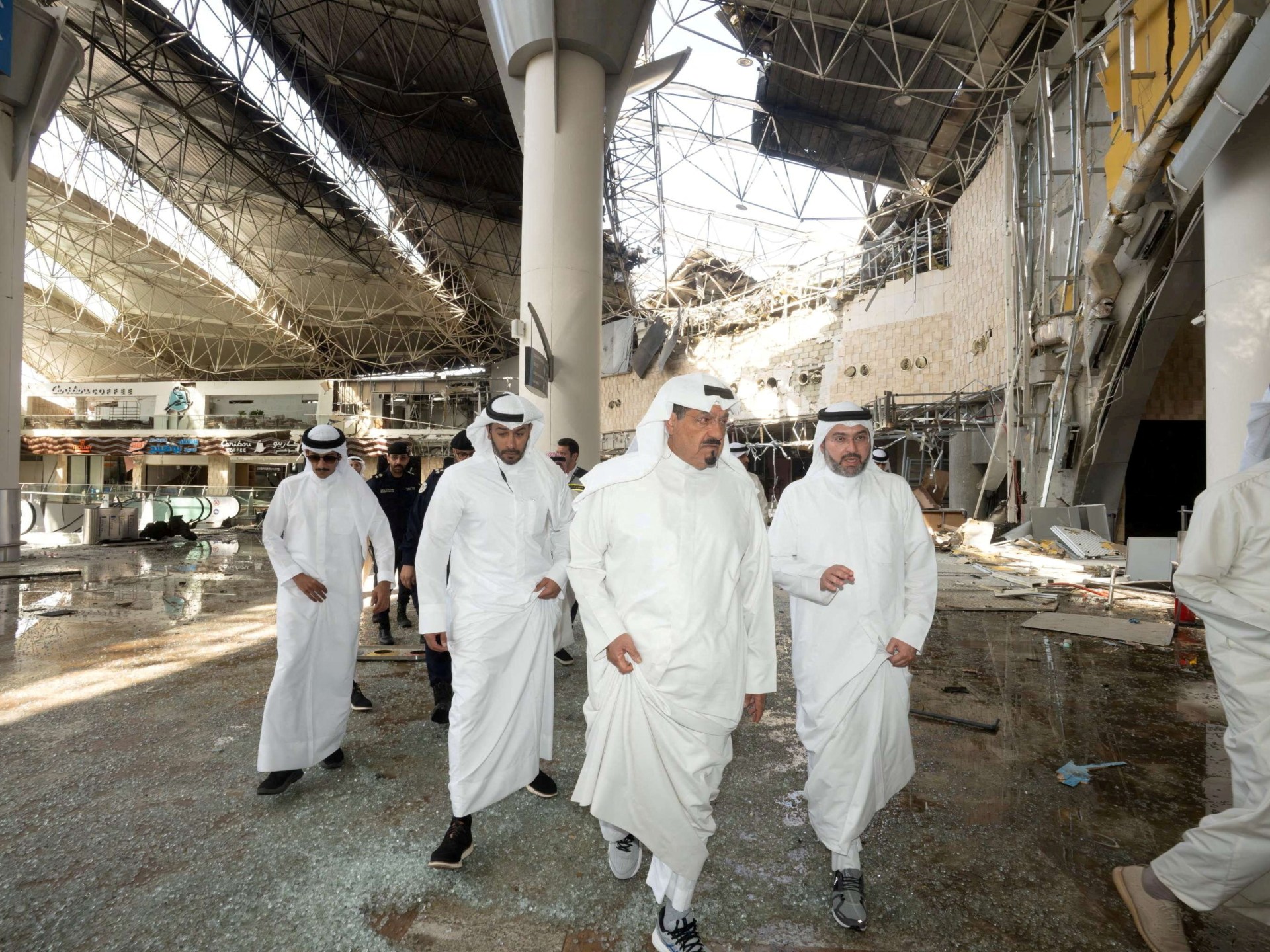
Iran is striking airports, water systems and power facilities in Gulf states while avoiding US warships near its coast, a pattern analysts told Al Jazeera is meant to pressure President Donald Trump without widening the war. The approach has put Kuwait, Bahrain, Oman and other neighbours under fire even as Tehran holds back from direct attacks on US naval assets and Israel.
Al Jazeera reported that Washington has hit Iranian rail stations, electricity facilities, telecom networks and drinking-water infrastructure as part of an escalating campaign. In response, the Islamic Revolutionary Guard Corps has attacked civilian airports and water and power sites in Kuwait and Bahrain, according to the report.
Retired Lebanese Brigadier General Elias Hanna told Al Jazeera that Iran would risk a severe US response if it attacked American naval forces. He also said US vessels are difficult targets because they are heavily defended and have advanced air defence systems.
Disputed claims over Gulf bases
Atifeh Taghiani, a political science professor at the University of Tehran, told Al Jazeera that Iran views some Gulf states, especially Kuwait, as part of the US military campaign against Iranian civilian infrastructure. She argued that international law permits Iran to retaliate against countries from which attacks are launched.
Iranian officials made a similar case during an earlier phase of the US-Israel war on Iran in March and April, saying American operations were being carried out from bases in Gulf countries, according to Al Jazeera. Gulf governments have repeatedly said they will not allow their territory to be used for strikes on Iran.
Abdullah al-Shayji, a political science professor at Kuwait University, rejected Taghiani’s argument in comments to Al Jazeera. He said Gulf states had told Tehran that US forces on their soil were there for defensive purposes and said Iran had not provided evidence for its claims.
Al-Shayji said US strikes are being launched from the aircraft carriers USS George W Bush and USS Abraham Lincoln, which he said are about 150km from Iran’s coast. He argued that Tehran is avoiding those vessels because killing even one US service member could bring a dangerous escalation.
Pressure on civilians and neighbours
Al-Shayji told Al Jazeera that Iran is trying to push Gulf governments to pressure Washington to stop the war, but he said the strategy has failed. He also said Trump did not consult Gulf states before launching the war and did not respect earlier understandings with them.
He criticised Iranian attacks on desalination facilities in Kuwait during summer, saying Kuwait depends heavily on desalinated water. Al-Shayji said those strikes violate international law and harm civilians, while noting that Kuwait has been one of the Gulf states most opposed to normalising relations with Israel.
The war began in late February after Trump ordered joint attacks with Israel on Iran, according to Al Jazeera. After the US and Iran agreed in June to a memorandum aimed at extending a fragile ceasefire and continuing negotiations toward a peace deal, each side accused the other of breaching the arrangement.
Abdullah Bandar al-Otaibi, an assistant professor at Qatar University’s Department of International Affairs, told Al Jazeera that neither Washington nor Tehran appears to want a full-scale war. He said both sides are choosing targets carefully, and that Iran is using pressure on Gulf states because it believes they are unlikely to enter the fighting directly.
Al-Otaibi said the conflict could worsen if an Iranian attack caused high civilian casualties in a Gulf country. He also said Iran’s strike on Oman after Foreign Minister Abbas Araghchi visited Muscat showed the failure of Iranian-Omani talks and reflected Tehran’s effort to assert greater control around the Strait of Hormuz.
This story draws on original reporting from Al Jazeera.