
Iran projects unity as commanders steer war decisions
Tehran rejects US claims of disarray as military-security figures press their position on Hormuz and diplomacy struggles to gain traction.
By Sofia Marchetti · World Affairs Correspondent
4 min read
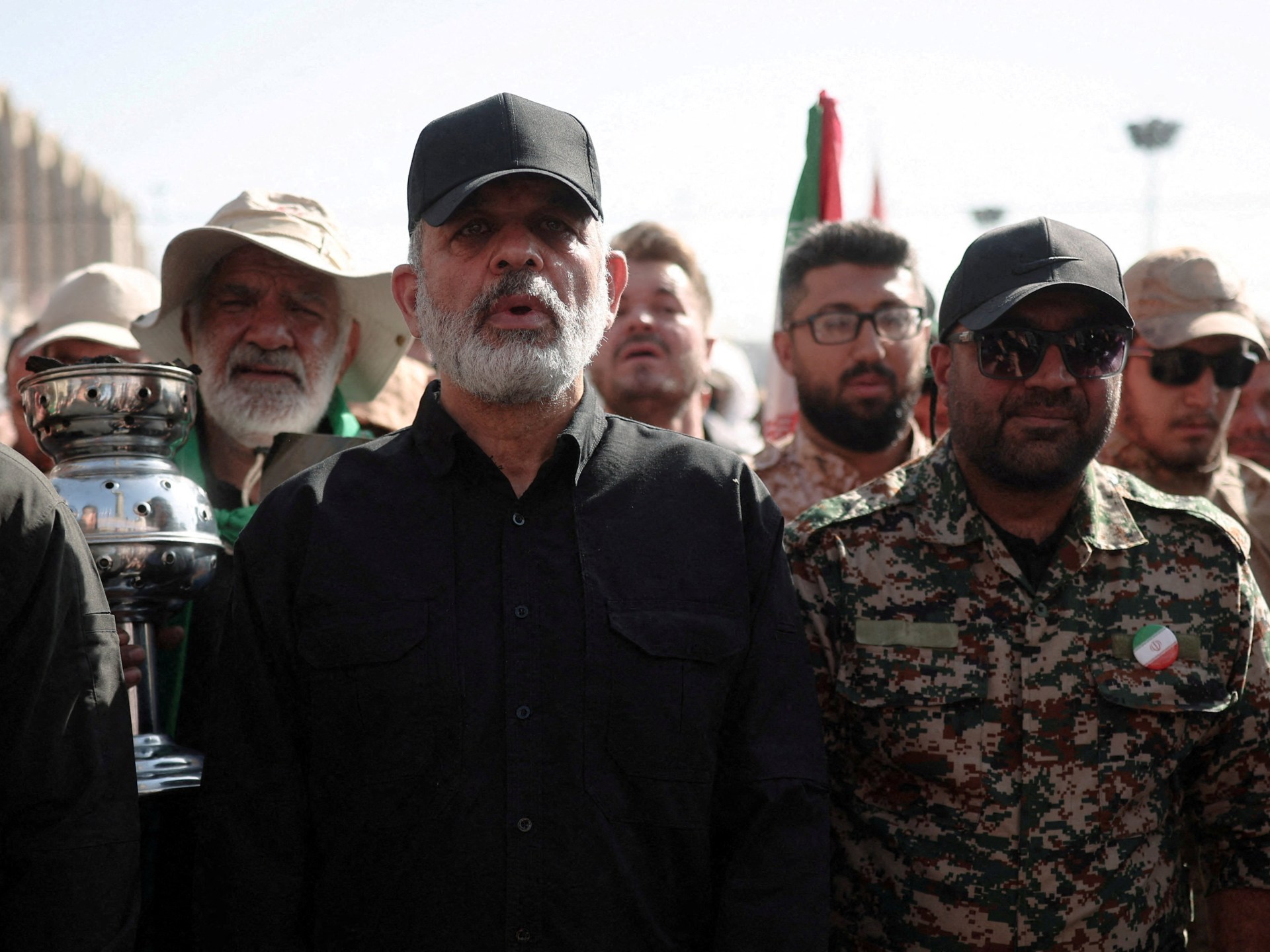
Iran’s leadership is trying to show cohesion as the war with the United States grinds on and the Strait of Hormuz becomes a central flashpoint, according to Al Jazeera. The question of who holds power in Tehran matters because Washington says Iran’s chain of command has been badly weakened, while Iranian officials say policy remains coordinated.
US President Donald Trump claimed in late April that “nobody knows who is in charge” in Iran after a ceasefire reduced fighting only for a time, Al Jazeera reported. Trump later said Iran had “no leaders left,” a claim Tehran has rejected.
Al Jazeera reported that the US has sought to present Iran as divided nearly five months into the conflict, after former Supreme Leader Ayatollah Ali Khamenei and other senior officials were killed in Israeli and US air strikes. Iranian authorities have instead stressed a common position: Tehran intends to keep control over passage through the Strait of Hormuz despite escalating US attacks.
US officials initially described the fighting around Hormuz as the work of hardliners in Tehran, according to Al Jazeera. But Iranian officials have publicly backed restrictions after several tankers and cargo ships were attacked this month in the waterway.
Iran has said it will not allow vessels to use a southern route near Oman rather than a northern route through Iranian territorial waters, Al Jazeera reported. Kazem Gharibabadi, Iran’s deputy foreign minister for legal and international affairs, told state television Tuesday that Tehran had proposed a third transit route during talks in Oman, though Al Jazeera said that proposal had not ended the crisis.
Military-security figures at the center
Al Jazeera identified a group of military and security officials as the key power brokers since the war began. They include Ahmad Vahidi, commander-in-chief of the Islamic Revolutionary Guard Corps; Ali Abdollahi, who heads the joint wartime command; and Ali Azmaei, the new commander of the IRGC Navy.
Those commanders have appeared publicly in recent weeks, including at Khamenei’s funeral, and have said Iran should consolidate what it sees as gains in the strait, according to Al Jazeera. Mohammad Bagher Zolghadr, secretary of the Supreme National Security Council, serves as a central coordinator in the system.
Zolghadr, described by Al Jazeera as part of the IRGC old guard, replaced Ali Larijani as security chief in March after Larijani was assassinated. In brief statements, he has said talks are acceptable only from a position of military strength, that IRGC capabilities in Hormuz are strategic assets, and that Iran-backed allies in Lebanon and elsewhere are part of national security.
Diplomats face pressure
President Masoud Pezeshkian runs the government’s ministries, budget and economic policy, and has advocated diplomacy, Al Jazeera reported. But the outlet said his influence is weaker than that of the military-security bloc, even though he formally heads the security council.
In a televised meeting Tuesday, Pezeshkian denied any split with commanders and criticised state broadcaster IRIB for portraying the government and military as separate. He said he would strongly defend military commanders, according to Al Jazeera.
Foreign Minister Abbas Araghchi has focused on diplomacy and accused Washington of breaching parts of a memorandum of understanding with the US, including provisions related to Hormuz, Lebanon and oil waivers, Al Jazeera reported. Parliament Speaker Mohammad Bagher Ghalibaf has been appointed chief negotiator, drawing on his background as a former IRGC commander, police chief and Tehran mayor.
Hardliners and succession
Al Jazeera reported that hardline factions, including many lawmakers, have pushed for Khamenei’s death to be avenged and for Iran to maintain control over Hormuz. Parliament met Monday for the first time since the war began and renewed those demands.
The Paydari Front, led by Saeed Jalili, is described by Al Jazeera as the most hardline faction in the establishment. Figures close to that faction control state television and oppose concessions to the US, according to the outlet.
Under Iran’s constitution, the supreme leader holds sweeping authority and can serve for life, Al Jazeera reported. Mojtaba Khamenei has succeeded his father but has not appeared publicly beyond written messages attributed to him, and Al Jazeera said he is backed by the military-security elite while lacking his father’s stature.
Mojtaba Khamenei reappointed judiciary chief Gholam-Hossein Mohseni-Ejei last week for another five-year term, according to Al Jazeera. He also said last month that he authorised the memorandum of understanding despite having “a different view” after Pezeshkian and the security council accepted responsibility for its outcome.
This story draws on original reporting from Al Jazeera.