
Iran attacks expose gaps in US base defenses, analysts say
Three US soldiers were killed in Jordan as analysts told Al Jazeera Iran still has missiles and drones able to pierce regional defenses.
By Daniel Okafor · Business Editor
4 min read
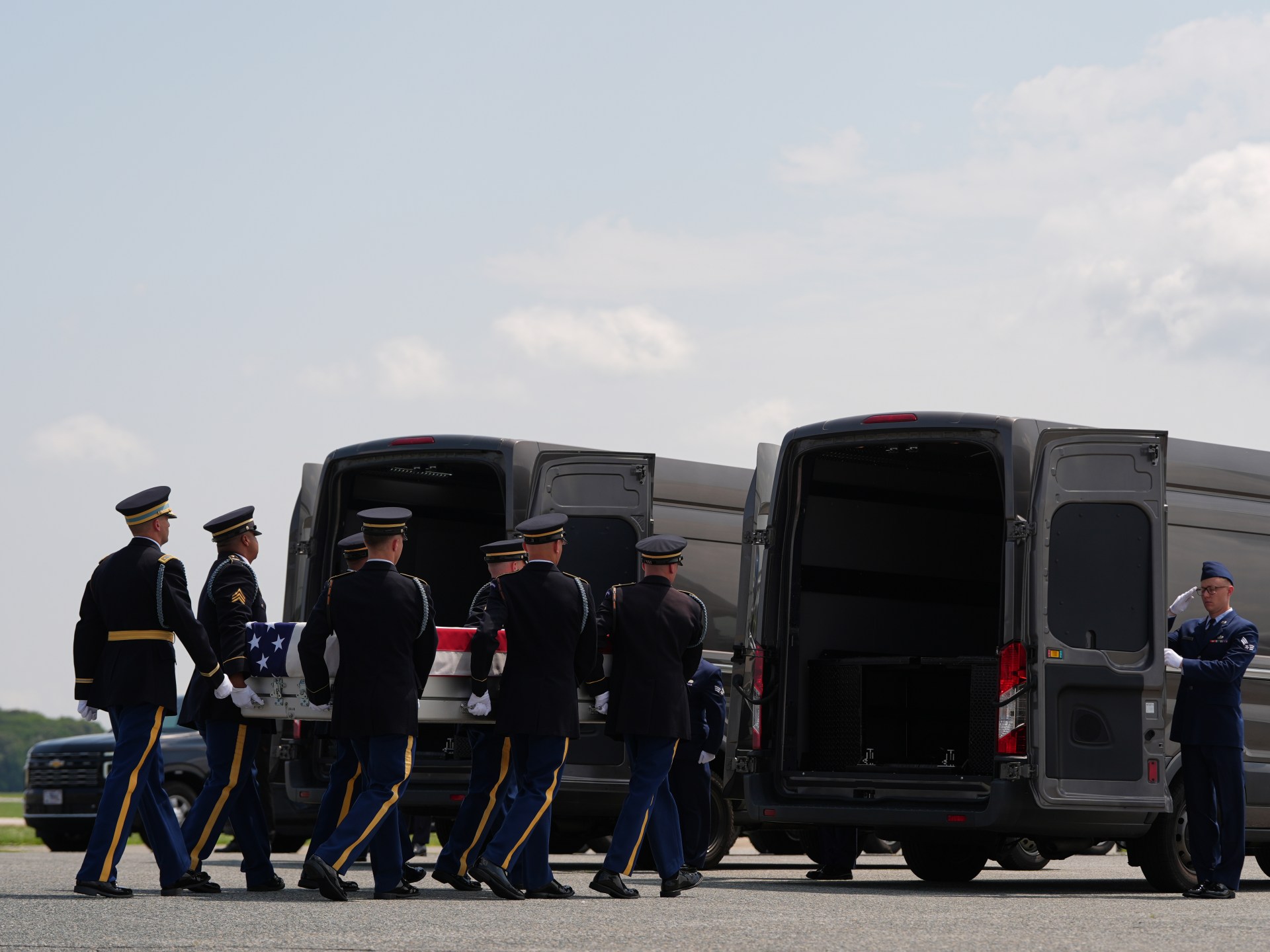
Iranian strikes on a US military site in Jordan killed three American soldiers Friday, Al Jazeera reported, marking the first US deaths from Iranian attacks on US installations since March 1. Analysts told Al Jazeera the attack shows Tehran still has enough missile and drone capacity to threaten US forces despite months of American air raids.
The Pentagon has not released full details of the Jordan attack, according to Al Jazeera. Jennifer Kavanagh, director of military analysis at the Defense Priorities think tank, told the outlet that Iran’s forces have recovered faster than expected and are adapting under fire.
Kavanagh said Iran’s recent attacks appear to be growing more accurate, possibly with help from Russian and Chinese intelligence. She also disputed Pentagon descriptions of Iran’s military as “combat ineffective,” saying it has taken serious losses but remains able to operate.
US bases remain exposed
Andreas Krieg, a senior lecturer at King’s College London’s School of Security Studies, told Al Jazeera that geography and base design are central to the risk facing US troops. He said about 50,000 US personnel are operating from fixed sites across the Middle East and the Gulf that sit within range of Iran’s missile and drone arsenal.
Krieg said many of those troops are based in semi-permanent facilities built mainly to withstand rockets, mortars and improvised explosive devices, rather than precision ballistic missiles with large warheads. He told Al Jazeera that even near misses can cause traumatic brain injuries through blast pressure, while intercepted weapons can still injure personnel when debris falls.
Al Jazeera reported that the official US military death toll in the war stands at 18. That figure includes seven soldiers killed in Iranian strikes on March 1 at a tactical operations center in Kuwait and at Prince Sultan airbase in Saudi Arabia, as well as other deaths the military has said were not directly caused by Iranian strikes.
Those other deaths include six airmen killed in an accidental refueling crash in March and an Army sergeant killed during a controlled detonation of a downed armed drone in Iraq, according to Al Jazeera. The outlet reported that about 500 US soldiers have been wounded since the war began and that about 220 US military structures, major equipment items or buildings have been damaged or destroyed since the July 8 ceasefire breakdown.
Missiles strain air defenses
Krieg told Al Jazeera that Iran has used ballistic missiles, cruise missiles and armed drones with varied flight paths and speeds to strain Patriot and THAAD air defense systems. He said decoys and dispersed launch sites can make those defenses less effective, and that even a small number of weapons getting through can cause serious casualties.
Mona Yacoubian, director of the Middle East program at the Center for Strategic and International Studies, told Al Jazeera that Iran appears more intent on hitting US military assets in the latest phase of the war than it was earlier. She said the recent toll could reflect better Iranian accuracy, weakened US radar and defense systems, the scale of the attacks, or a mix of those factors.
Al Jazeera reported Wednesday that the US and Iran had exchanged strikes for 11 straight days. Iran’s army said it had targeted F-15 warplanes, drone preparation sites and a helicopter storage facility at the Prince Hassan and King Faisal bases in Jordan, while Bahrain’s military said it intercepted several aerial attacks from Iran.
US Central Command said Tuesday that American forces had struck Iranian military operations centers, maritime capabilities, aircraft hangars, drone storage facilities and logistics infrastructure along the Strait of Hormuz, according to Al Jazeera.
At a Senate hearing Wednesday, US senators pressed Defense Secretary Pete Hegseth over earlier claims that Iran’s military had been “functionally destroyed,” Al Jazeera reported. Hegseth defended the war as a historic US military victory and said Iran’s navy, air force and defense industrial base had been rendered ineffective, while acknowledging that Washington did not expect Iran to lose every ability to fire weapons.
Jason Campbell, a senior fellow at the Middle East Institute and former Pentagon official, told Al Jazeera that Iran may now be using more capable ballistic missiles it had held back earlier in the war. Patrick Bury, a University of Bath associate professor and former NATO research analyst, told the outlet that Iran’s cheaper drones and missiles allow it to impose costs on the United States even against superior US military power.
This story draws on original reporting from Al Jazeera.