
Iran’s allied network faces a rebuild after US-Iran accord
A US-Iran memorandum ended months of warfare, but analysts say Tehran’s regional allies now face a test of money, autonomy and deterrence.
By Daniel Okafor · Business Editor
4 min read
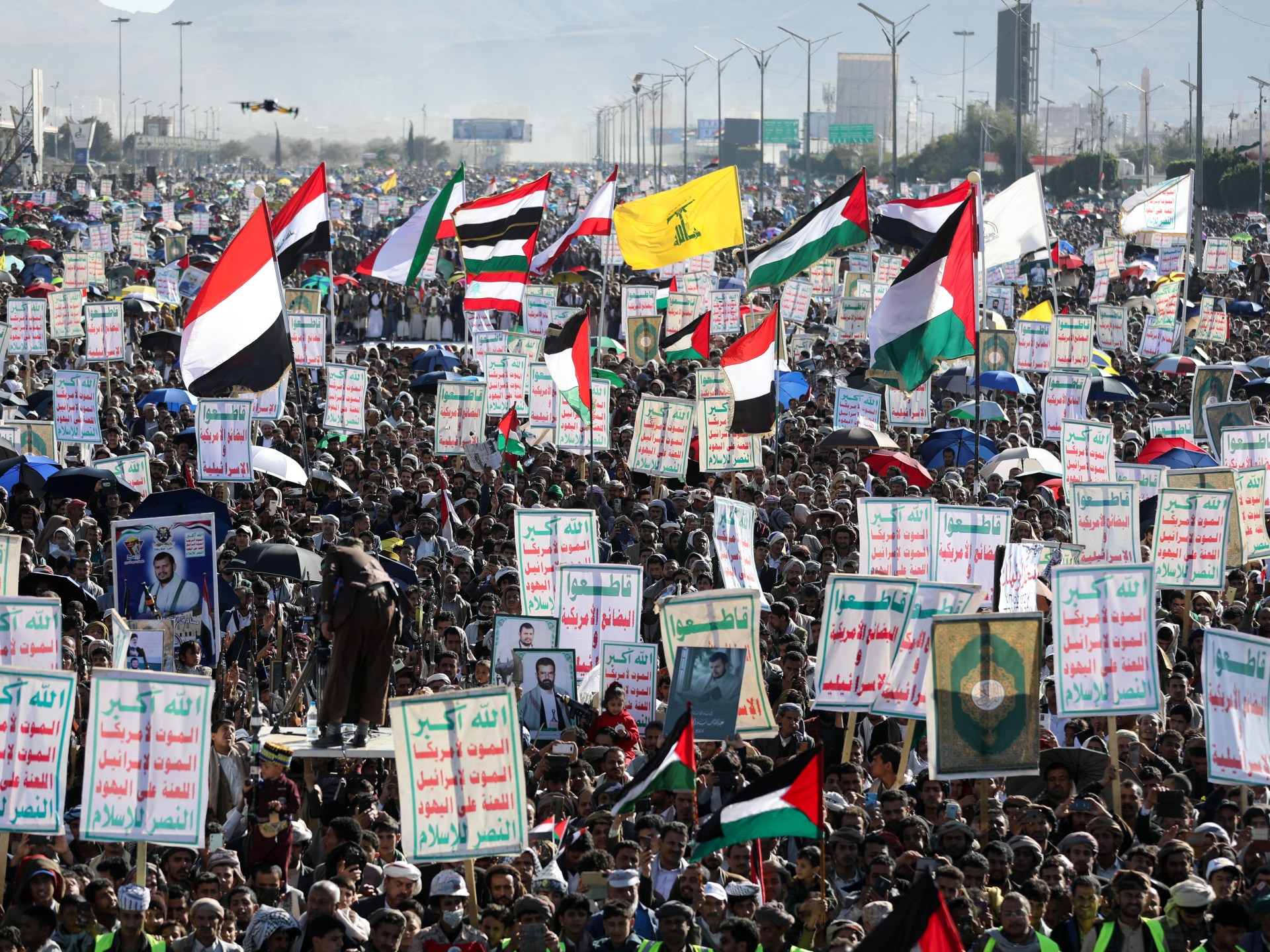
A memorandum of understanding between the United States and Iran has stopped more than three months of direct fighting, according to Al Jazeera. The deal matters beyond the ceasefire: it includes the end of a US naval blockade and a $300bn reconstruction fund for Iran, while raising new questions about Tehran’s regional network of allied armed groups.
The Al Jazeera Centre for Studies said the agreement marks a setback for Washington’s earlier war objectives, including the goal of regime change in Tehran. The centre also said the framework amounts to implicit US recognition of Iran as a regional power and could curb Israeli ambitions for uncontested dominance in the region.
The conflict also tested what Iran calls its “axis of resistance”, a network that includes Hezbollah in Lebanon, the Houthis in Yemen and armed groups in Iraq. Al Jazeera reported that Iran relied mainly on its own missiles, drones and leverage over the Strait of Hormuz during the war, rather than using allied forces to open broad new fronts.
Forward defence under strain
For years, Iran’s regional strategy rested on a “forward defence” concept that sought to keep wars away from Iranian territory, Al Jazeera reported. The recent conflict put that model under pressure because Iran itself became the battlefield, with its military sites and national security directly at risk.
Nader Hashemi, a professor of Middle East politics at Georgetown University, told Al Jazeera that the network is weaker than at any time since it formed. He said the war showed Iran placed its own security above Hezbollah and that the forward defence strategy had been sharply damaged.
Negar Mortazavi, a senior fellow at the Center for International Policy, offered a different reading. She told Al Jazeera the conflict exposed limits in the old model but also pushed Iran toward a deterrence strategy rooted more heavily at home, with long-range missiles, lower-cost drones and the Strait of Hormuz becoming central tools.
Ahmed al-Komi, a Palestinian journalist and researcher based in Tehran, said Iran’s use of its allies did not amount to failure. He told Al Jazeera that Tehran still sees the network as a needed front against US presence and Israeli operations, and said Hezbollah’s ability to endure heavy blows surprised many observers.
Money and rebuilding
The reconstruction fund and the unfreezing of Iranian assets now create another test, according to Al Jazeera. Tehran must decide how much to spend on domestic recovery and how much to direct toward rebuilding the capabilities of regional allies damaged by the war.
Hashemi said Iran is likely to put defence first, including drone and missile production, support for the Islamic Revolutionary Guard Corps and the reconstitution of alliances. He said public needs would receive what remains, if Iran’s economy allows it.
Mortazavi said Iran may pursue both economic repair and military readiness. She told Al Jazeera the military establishment is likely to replenish homeland defences, rebuild key capabilities and maintain regional partnerships as protection against renewed conflict.
A looser network
Al Jazeera reported that the war exposed the local limits facing each member of Iran’s allied network. Hezbollah faces domestic pressure in Lebanon, Iraqi armed groups are tied into state politics, and the Houthis must balance their paused war in Yemen with the risk of provoking regional intervention.
Al-Komi said allied groups are likely to retain operational independence while staying aligned with Tehran against US and Israeli influence. Mortazavi said the network may become smaller, more decentralised and more reliant on cyber operations, intelligence and precision missiles than on larger, exposed military formations.
Hashemi said groups such as the Houthis have long had more autonomy, but their strength still depends on the Islamic Republic. He expects Iran to try to rebuild the network because it gives Tehran leverage across the region.
Al Jazeera reported that Iran’s allied forces are unlikely to disappear, but the conflict showed they act according to local pressures as well as Tehran’s interests. Mortazavi said the region is entering a period of managed competition in which Iran’s partners remain one part of a wider deterrence strategy.
This story draws on original reporting from Al Jazeera.