
Infantino accuses World Cup critics of spreading hate after 2026 tournament
FIFA president Gianni Infantino defended the 2026 World Cup and rejected criticism over visas, security and disciplinary decisions.
By Daniel Okafor · Business Editor
3 min read
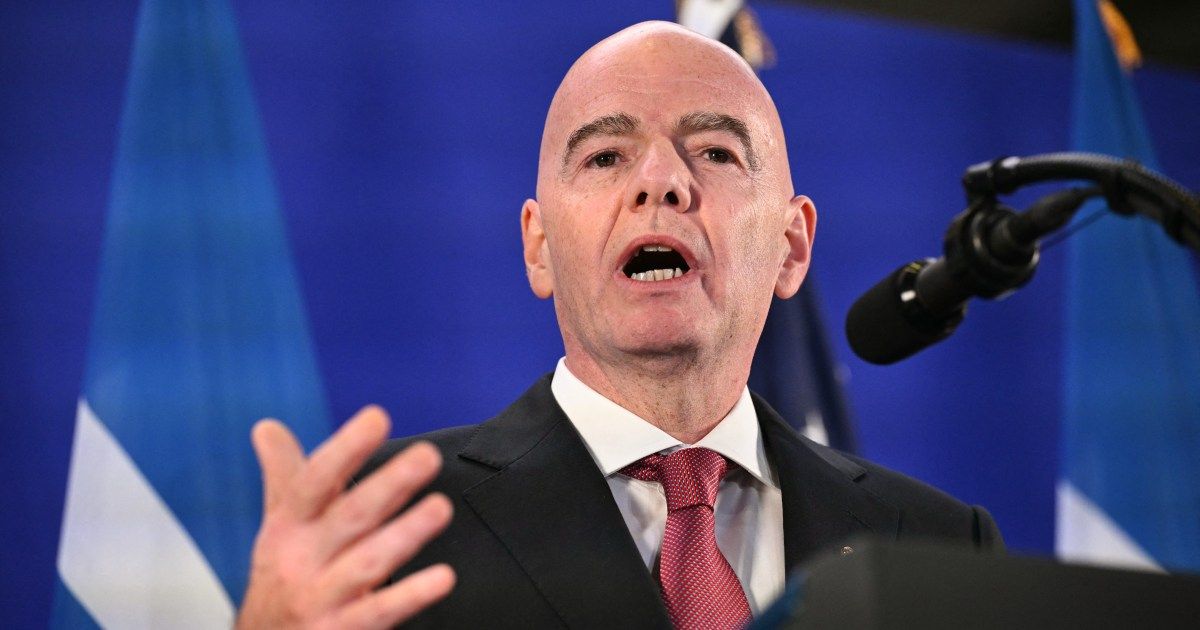
FIFA president Gianni Infantino accused World Cup critics of spreading hate and false claims after the 2026 tournament, defending the event as a success for global football. In an open letter posted on Instagram on Monday, he said critics had ignored what he described as happiness, unity, safety and togetherness around the competition.
The tournament was held in the United States, Canada and Mexico and was won by Spain, according to Al Jazeera and Reuters. Infantino said millions of fans experienced the event positively and argued that FIFA had delivered “the best show in the world.”
Infantino wrote that critics were “so consumed by hate and criticism” that they had missed the tournament’s wider impact. He also said FIFA had seen “no violence, no incidents” and “100% safety and security,” while presenting the World Cup as a moment of joy for supporters.
Why did Infantino criticize World Cup critics?
Infantino’s letter responded to scrutiny of FIFA’s handling of several controversies during the World Cup, including visa restrictions, travel problems for some teams, refereeing complaints and disciplinary rulings. He did not name specific cases in the letter, but said disputed red cards, yellow cards and later decisions not to suspend players happen regularly in major competitions.
His comments came less than a week after FIFA said it was investigating an on-field altercation involving Argentina and Spain players at the end of the World Cup final in New Jersey, according to Al Jazeera and Reuters.
FIFA also faced debate over United States visa restrictions affecting supporters and officials from several countries. Somali referee Omar Abdulkadir Artan was barred from entering the US despite having a valid visa, according to Al Jazeera and Reuters.
Infantino said critics had focused on a small number of denied visas while overlooking what he described as millions of approvals. He said Iran had entered the United States without incident, arguing that football was about peace rather than politics.
Iran’s tournament experience drew particular attention. The team, eliminated in the group stage, moved its training base from Tucson, Arizona, to Tijuana, Mexico because of the war in the Middle East and faced travel problems going between Mexico and the US for group matches, according to Al Jazeera and Reuters. Iran coach Amir Ghalenoei described Team Melli as the “most oppressed” side at the tournament.
The FIFA president also pointed to participation by teams connected to countries facing crises, including Haiti and the Democratic Republic of the Congo, as evidence that football could cross political and social divides. He said countries dealing with serious health or other challenges had received visas.
FIFA’s disciplinary handling of US striker Folarin Balogun was another point of controversy during the tournament. FIFA suspended the automatic one-match ban that followed Balogun’s red card against Bosnia and Herzegovina after intervention by US President Donald Trump, according to Al Jazeera and Reuters.
Infantino has also faced outside scrutiny over his relationship with Trump. Human rights group FairSquare filed a complaint with the International Olympic Committee alleging that Infantino had breached the IOC’s rules on political neutrality by offering political support for Trump, according to Al Jazeera and Reuters. The IOC rejected the complaint, saying the issue was outside the jurisdiction of its Ethics Commission.
This story draws on original reporting from Al Jazeera.