
Immigration enforcement splits Johannesburg’s inner-city employers
A push against undocumented work has put shopkeepers, migrants and officials at odds in a city economy reliant on informal labor.
By James Whitfield · Staff Writer
3 min read
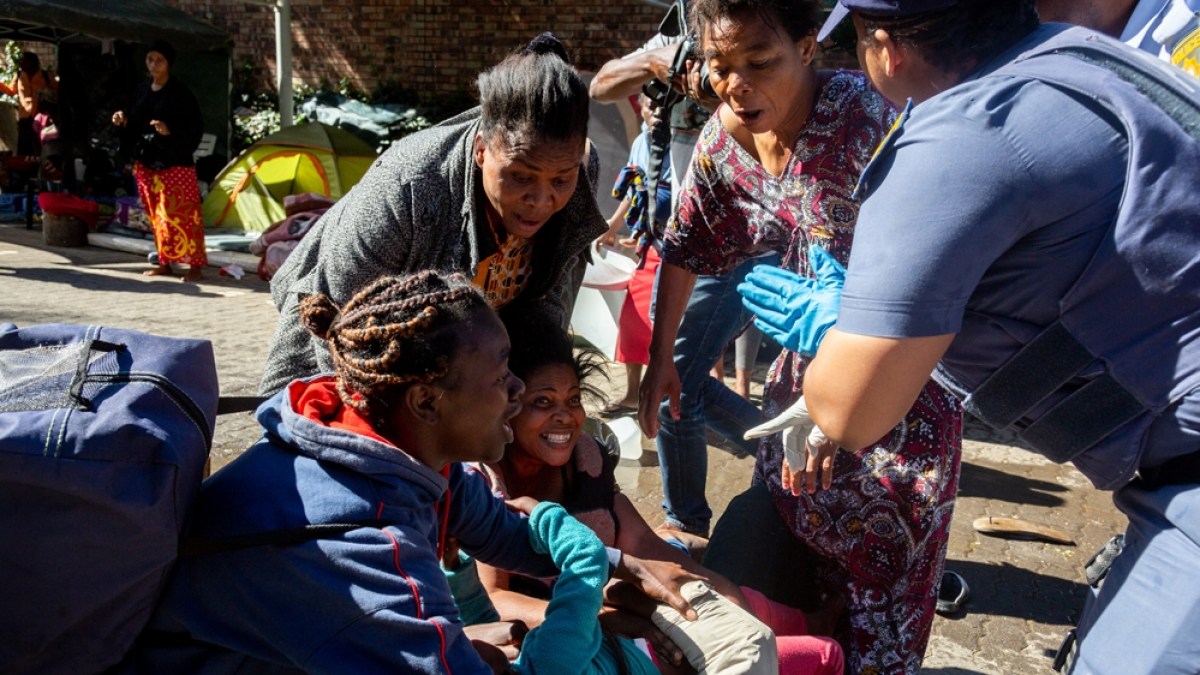
South Africa’s tougher approach to undocumented employment is putting pressure on Johannesburg’s inner-city businesses, where migrant labour is woven into retail and informal trade. The campaign matters because it sits at the intersection of high unemployment, labour-law enforcement and rising anti-immigrant politics.
In Fordsburg, a central Johannesburg commercial district, a shopkeeper identified by Al Jazeera as Junaid Mohammed, a pseudonym, said his family business now depends on low-cost imported goods and flexible staffing. He told Al Jazeera he employs foreign nationals as assistants and packers because hiring local workers under formal rules has become too expensive for the shop.
South Africa’s minimum wage is about $1.87 an hour, or roughly $324 a month, with statutory contributions and labour protections attached, according to Al Jazeera. Junaid said he pays about $12 a day, below the legal minimum, and hires workers only when trade is strong enough.
That practice now carries greater risk. Al Jazeera reported that vigilante groups, including Operation Dudula and the March and March movement, have conducted “citizen raids” on businesses they accuse of employing foreign nationals, with some incidents turning violent. President Cyril Ramaphosa has condemned vigilante action and pledged to hire 10,000 labour inspectors.
Government says employers exploit undocumented workers
Deputy Minister of Labour Jomo Sibiya told Al Jazeera that companies hire undocumented foreign workers because they are cheaper and easier to exploit. He said employers can avoid responsibility when such workers are injured, including taking them to hospital or reporting the injury.
Sibiya drew a distinction between documented and undocumented foreign workers. He told Al Jazeera the government accepts that foreign nationals can work in South Africa, but objects to jobs going to people who are in the country illegally.
South Africa’s unemployment rate is about 33 percent, while youth unemployment exceeds 60 percent among people aged 15 to 24, according to figures cited by Al Jazeera. Officials argue that employers who pay undocumented migrants below legal standards undercut compliant businesses and weaken labour protections.
A draft plan would allow fines of up to 1 million South African rand, about $61,700, for employers who hire undocumented workers, Al Jazeera reported. Sibiya said the goal is to reduce demand for illegal labour, which he argued would reduce the number of people coming to South Africa to work without authorisation.
Scholars point to a harder-to-regulate economy
Loren Landau, a migration scholar at the University of Oxford, told Al Jazeera that undocumented labour is concentrated in sectors where enforcement is difficult. He said employers gain leverage because undocumented workers can be threatened with deportation or non-payment and are less likely to complain to the labour department.
Landau said the pattern reflects profit-seeking rather than a fixed preference for foreign workers. In his view, employers use immigration status as a tool to reduce costs and avoid accountability.
Urban planner Tanya Zack told Al Jazeera that migrants also support Johannesburg’s inner-city economy by running shops, moving goods and selling fast fashion in areas under strain. She said that activity generates money in the city and could contribute more to the South African economy if infrastructure and policing improved.
Zack also challenged the idea that informal migrant traders are entirely outside financial systems. She told Al Jazeera that many increasingly use card payments and digital banking, while the informal economy lacks a formal system built around it.
Enforcement has already become visible through raids, arrests and removals, with undocumented nationals from several African countries being repatriated, according to Al Jazeera. Landau said Ramaphosa’s comments were followed by Operation Dudula returning to the streets, a sign he said could encourage such groups rather than calm the situation.
This story draws on original reporting from Al Jazeera.