
Hormuz traffic dispute sharpens as Iran and US trade threats
Iran and the US gave opposing accounts of control over Strait of Hormuz shipping as mediators pushed to keep talks alive.
By Lucas Ferreira · Science & Environment Writer
4 min read
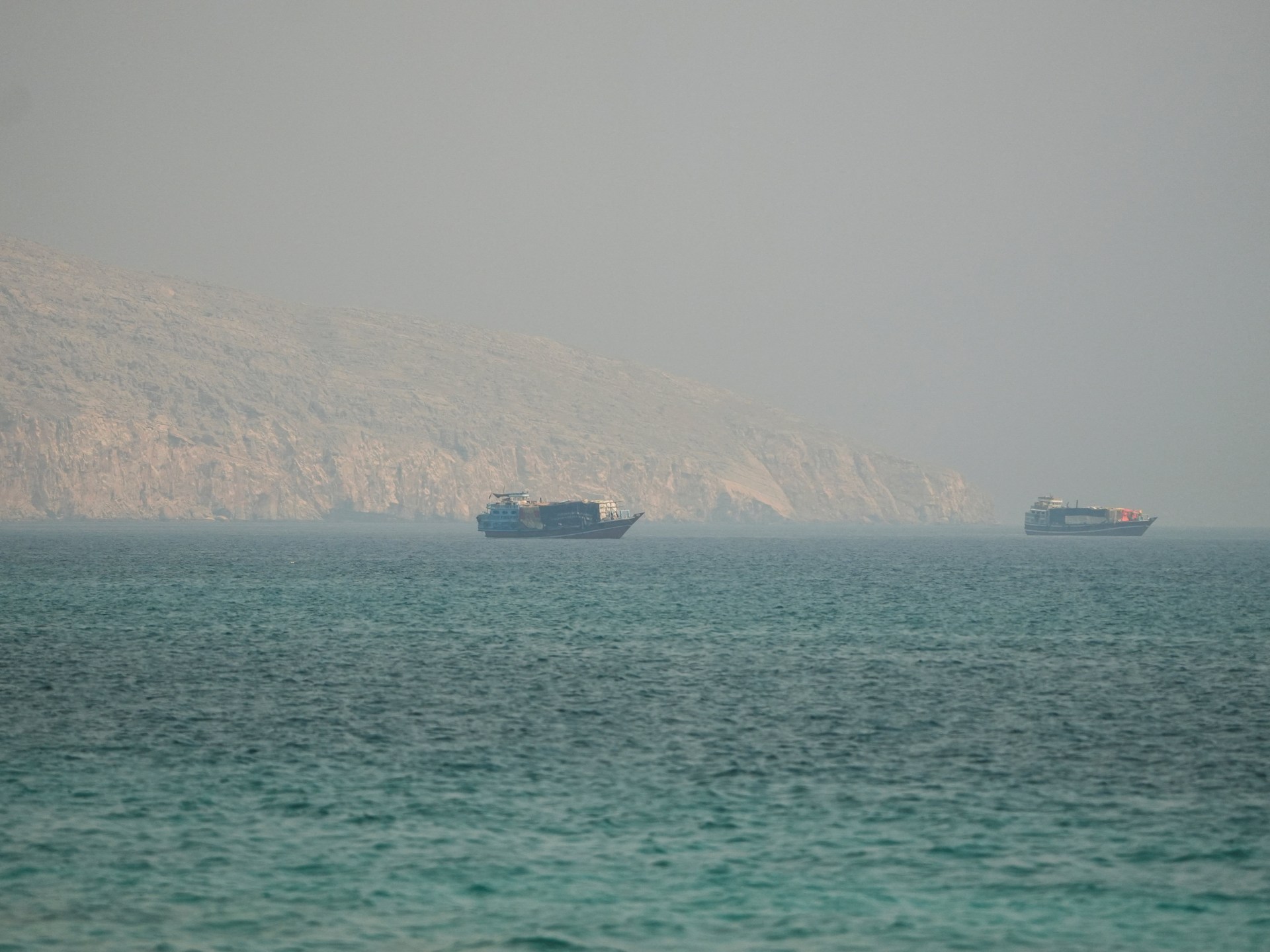
Disputes over shipping through the Strait of Hormuz have become a central flashpoint in renewed tension between Iran and the United States. Al Jazeera reported that the two sides are still communicating through mediators while exchanging threats over attacks, sanctions and control of the waterway.
Iranian state media on Saturday published a statement attributed to Mojtaba Khamenei, Iran’s new supreme leader, who has not appeared publicly since a clerical body selected him in March, according to Al Jazeera. In the statement, Khamenei vowed revenge for his father, Ayatollah Ali Khamenei, who Al Jazeera reported was assassinated on February 28 at the start of a war launched by the US and Israel.
The statement said retaliation was state policy and would not depend on one official. Al Jazeera reported that the remarks echoed calls from hardline religious-backed groups during funeral events for Ali Khamenei, who was buried in Mashhad on Friday.
At the Mashhad ceremony, Al Jazeera reported, chief negotiator Mohammad Bagher Ghalibaf and other officials who support talks with Washington sat as crowds denounced negotiations with the US. Ali Khomeini, a grandson of the Islamic Republic’s founder Ruhollah Khomeini, said in a televised speech that anyone seeking peace talks with America was a traitor.
Trump says ceasefire is over
US President Donald Trump wrote on Truth Social that he believes he is first on Iran’s “kill list” and has left orders for retaliation if an attempt is made on his life, Al Jazeera reported. Trump also said US missiles were “locked and loaded” and aimed at Iran, and that the US military had orders for a one-year period, subject to extension, to destroy areas of Iran.
Trump said the repeatedly breached ceasefire was over after the latest exchange of attacks earlier in the week, according to Al Jazeera. He also said mediated talks could continue.
Qatari mediators visited Iran on Friday for meetings aimed at lowering tension with Washington, and Iranian Foreign Minister Abbas Araghchi traveled to Oman on Saturday for talks, Al Jazeera reported.
Ali Vaez, the Crisis Group’s Iran Project director, told Al Jazeera that revenge rhetoric serves domestic politics while diplomacy seeks to avoid another damaging round of war. He said Trump’s declaration raises the cost of negotiations but does not eliminate their use, because both sides appear to understand that escalation would be hard to control.
Competing accounts of Hormuz attacks
Al Jazeera reported that unnamed senior Trump administration officials told US media on Friday that Iranian officials had privately said an “errant” hardline faction was trying to sabotage negotiations by attacking vessels in the Strait of Hormuz. US reporting also suggested Washington expected Araghchi to acknowledge, publicly or indirectly, that attacks on tankers and commercial ships earlier in the week were a mistake.
Vaez told Al Jazeera that the claim about Iran’s private message was implausible but useful for Washington because blaming a hardline faction keeps diplomacy possible. He said the real test was whether both sides could stop firing and return to talks.
Iranian officials have stressed their intent to control transit through the strait, according to Al Jazeera. Tehran says traffic using a US-backed southern route near Oman and the rescinding of oil sanction waivers run counter to a memorandum of understanding reached last month between the two sides.
Iran’s UN ambassador, Amir Saeid Iravani, told reporters in New York on Friday that outside efforts to interfere with or create a power arrangement would violate the memorandum and delay restoration of maritime traffic. Al Jazeera reported that Iran insists on a role in reopening or demining the strait, where one-fifth of global oil and liquefied natural gas passes in peacetime.
The Islamic Revolutionary Guard Corps Navy said Thursday that traffic had recovered to about 50 percent of pre-war levels before the latest strikes, through Iranian cooperation, but said ships must use designated routes and foreign powers would have “no share” in managing the strait. Iran’s armed forces central command said it would not allow US or foreign interference, and Tehran has created the Persian Gulf Strait Authority to coordinate approved transit, according to Al Jazeera.
The International Maritime Organization’s governing council on Friday strongly condemned Iran’s move to set up an entity claiming control over traffic through the strait. The IMO urged its 176 members not to recognize Iranian sovereignty claims over the Strait of Hormuz or any Iranian measures that would obstruct international navigation and transit passage.
The US Treasury Department on Friday imposed its first new Iran-related sanctions since the June 17 memorandum, according to Al Jazeera. The measures targeted several people and entities over attacks on international shipping, including Ali Ansari, described by the Treasury as a financial facilitator with reported links to Mojtaba Khamenei, and several currency exchange houses.
Negar Mortazavi, a senior fellow at the Center for International Policy, told Al Jazeera that Tehran may have internal disagreements over tactics and military pressure, but the Hormuz dispute centers on how the memorandum is carried out. She said Iran believes commercial passage must be coordinated with Tehran while Washington is trying to impose its own reading without that coordination.
This story draws on original reporting from Al Jazeera.