
Hormuz standoff heightens concerns over global shipping chokepoints
Analysts say Iran’s grip on the Strait of Hormuz could embolden other states to assert control over vital maritime routes.
By Lucas Ferreira · Science & Environment Writer
3 min read
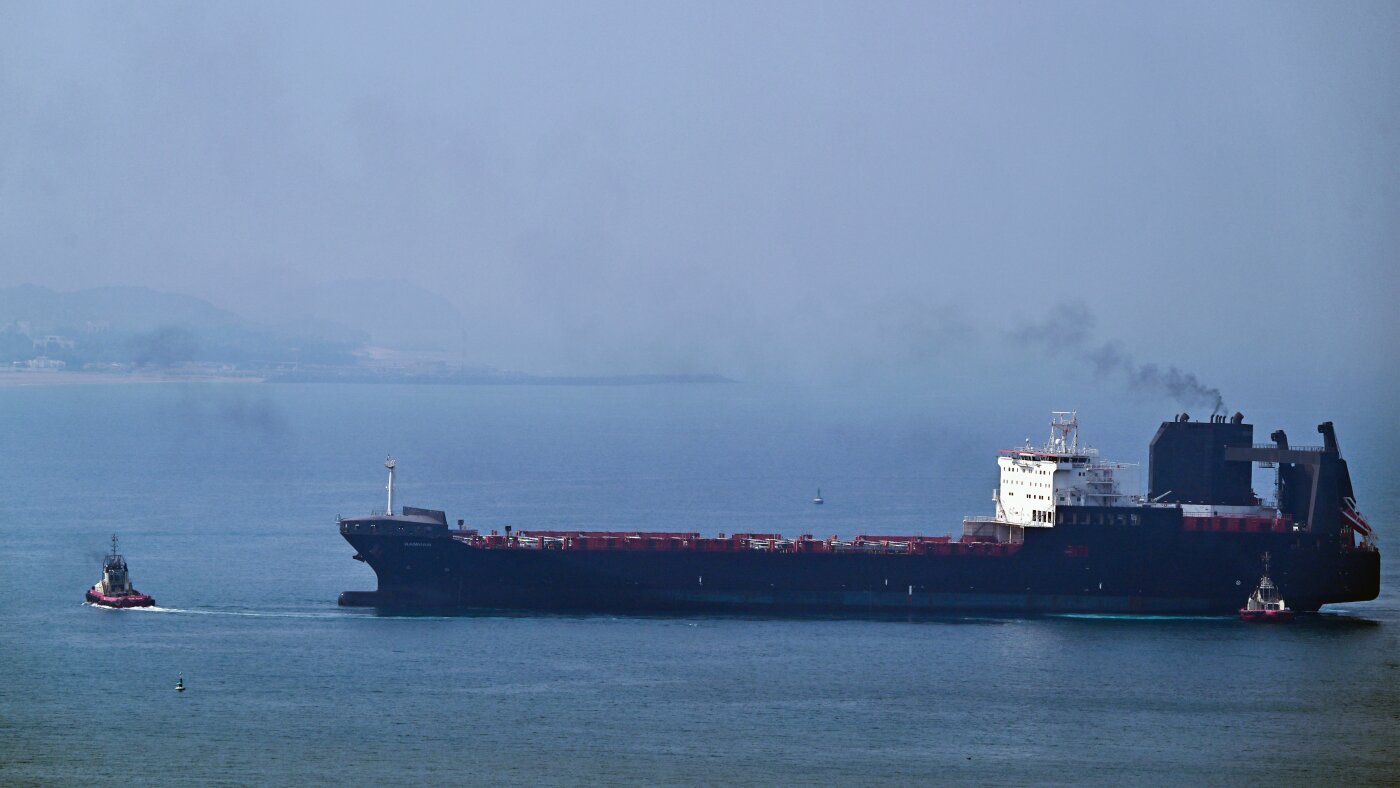
The confrontation between the United States and Iran over the Strait of Hormuz has disrupted shipping through one of the world’s most important energy routes and raised broader concerns about who controls key sea lanes. Analysts cited by NPR say accepting Iranian authority over the strait could encourage other countries to make similar claims over strategic waterways.
In late June, soon after Washington and Tehran agreed to a ceasefire, the International Maritime Organization announced a plan to help ships and seafarers leave the Strait of Hormuz. The IMO said the effort involved coordination with Iran, Oman, other regional coastal states, the United States and maritime industry groups.
NPR reported that the waterway had been effectively shut by Iran since U.S. and Israeli strikes on Iran at the end of February. Before the war, about one-fifth of the world’s oil and gas moved through the strait, according to NPR.
Under the evacuation plan, vessels were told to use a route near Oman on the southern side of the strait rather than sail closer to Iran’s northern coastline. John Canias, a maritime operations coordinator with the International Transport Workers Federation and a former seafarer, told NPR that more than 100 ships out of more than 600 in the area were able to leave.
The operation stopped after a Singapore-flagged cargo ship, the Ever Lovely, was attacked while traveling near Oman, according to MarineTraffic, which monitors vessel movements. NPR reported that no group claimed responsibility for the attack, and shipping around the strait stalled again.
Iran’s Revolutionary Guard criticized the evacuation effort because it lacked Iranian involvement, according to Iran’s state broadcaster IRIB. IRIB reported that the Guard said only Iran could determine which routes ships use.
Gregory Brew, a senior analyst at Eurasia Group, told NPR that Tehran believes it has leverage in its conflict with Washington and is trying to establish new rules for traffic through Hormuz. Brew said Iran wants ships to coordinate with its authorities and obtain clearance, while resisting U.S. efforts to challenge that role.
The Strait of Hormuz is treated as an international waterway, and maritime specialists told NPR that a formal recognition of Iranian control would cut against long-standing norms of free passage. Todd Huntley, director of Georgetown University’s National Security Law Program and a retired Navy lawyer, said the United States has historically viewed open transit for commercial and other vessels as a core naval interest.
Huntley told NPR that other governments could cite an Iranian precedent to assert authority over routes such as the Strait of Gibraltar or the Strait of Malacca. He said states might then impose fees or restrict which vessels can pass.
Ami Daniel, chief executive of maritime intelligence firm Windward, told NPR that governments could also use chokepoints as political tools. He cited possible restrictions by Russia in Arctic waters or by China in the Taiwan Strait as examples of how access disputes could affect commercial shipping.
Nitya Labh, a fellow in Chatham House’s International Security Program, told NPR that some waterways have legal and diplomatic systems designed to reduce conflict. She pointed to the Montreux Convention governing the Turkish Straits and regional arrangements around the Strait of Malacca.
Labh said the Strait of Hormuz has fewer safeguards. She also noted that neither the United States nor Iran has ratified the U.N. Convention on the Law of the Sea, and said attacks by Yemen’s Houthis on more than 190 commercial ships in the Red Sea showed the limits of maritime rules when states or armed groups reject them.
NPR reported that President Trump recently suggested the United States could control the Strait of Hormuz and collect tolls, then quickly retreated from that position. Analysts said such remarks added to unease over the independence of international shipping routes.
This story draws on original reporting from NPR.