
Hormuz dispute strains US-Iran truce as strikes resume
Renewed attacks around the Strait of Hormuz have exposed rival US and Iranian readings of a ceasefire memorandum, analysts told Al Jazeera.
By Daniel Okafor · Business Editor
4 min read
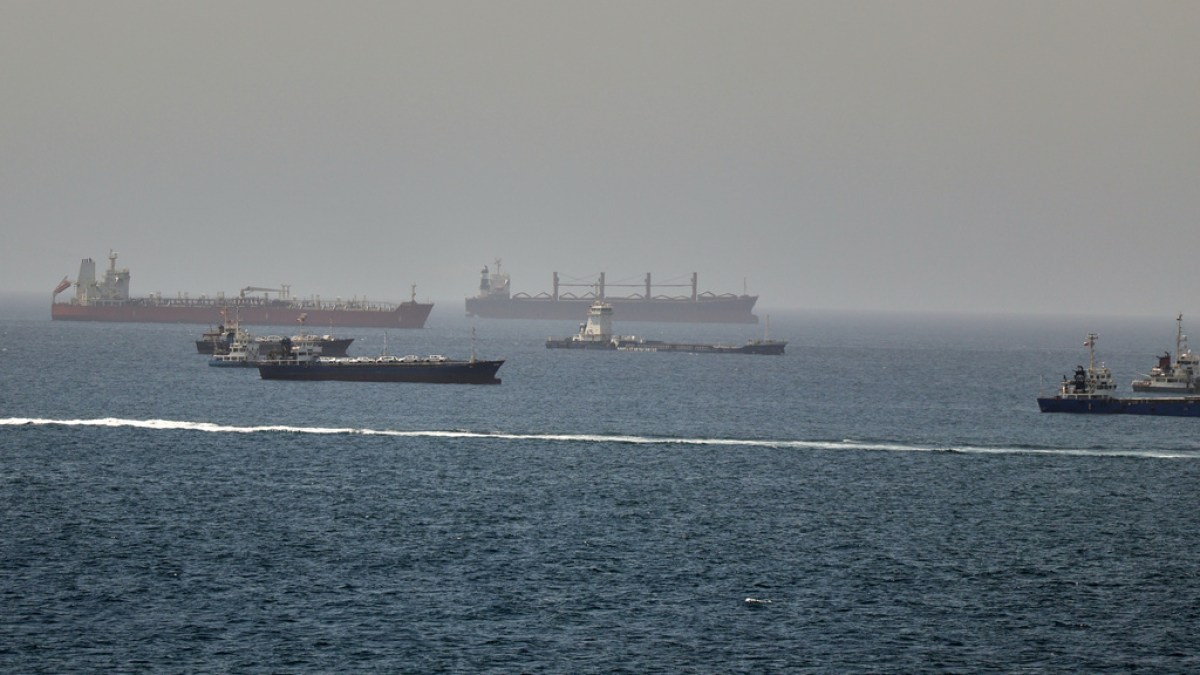
The United States and Iran have resumed military exchanges after attacks on commercial vessels near the Strait of Hormuz, Al Jazeera reported. The confrontation puts pressure on a mid-June ceasefire framework because Washington and Tehran disagree over who controls passage through a waterway central to global energy trade.
Al Jazeera reported that the latest clashes began Monday after at least three suspected Iranian attacks on commercial ships sailing outside a route designated by the Islamic Revolutionary Guard Corps. The US answered with strikes on dozens of targets along Iran’s southern coast, and Iran then fired missiles and drones at US bases in the region, according to Al Jazeera.
US President Donald Trump said Wednesday that the memorandum of understanding that set up the truce and talks was “over”, Al Jazeera reported. Fighting continued Thursday.
Rival readings of the truce
Negar Mortazavi, a senior fellow at the Center for International Policy, told Al Jazeera that the memorandum required both sides to keep the strait open through coordinated arrangements for commercial navigation. Mortazavi said Tehran reads that language as requiring maritime security and shipping routes to be coordinated with Iran.
Some vessels have been keeping close to Oman’s coast and moving through the strait without coordinating with Tehran, according to Mortazavi. She told Al Jazeera that Iran views those passages as an attempt to create separate routes and security arrangements in violation of the memorandum.
The text of the agreement is unclear on Hormuz, Al Jazeera reported. It assigns Iran a role in de-mining and safe navigation, says ships should pass without charge for the first 60 days, and calls for Iran to hold talks with Oman and Gulf states on the future administration and maritime services of the waterway in line with international law and the sovereign rights of coastal states.
Ryan Costello, policy director at the National Iranian American Council, told Al Jazeera that Iran interprets the memorandum as giving it control over vessel routing, while the US has sought to establish another transit route through the strait.
US Central Command rejected Iran’s position in a social media post Thursday. CENTCOM said Iran does not control the Strait of Hormuz and said US forces had helped more than 800 commercial vessels carrying 380 million barrels of crude oil transit the corridor since early May.
Strategic leverage
Analysts told Al Jazeera that Iran sees oversight of Hormuz as a source of deterrence against future attacks by the US and Israel, as well as a potential revenue stream worth tens of billions of dollars annually. Mojtaba Khamenei, who became supreme leader after his father was killed in March, wrote in his first statement that “the lever of closing the Strait of Hormuz must certainly continue to be used,” according to Al Jazeera.
Costello told Al Jazeera that many in Iran view control over the strait as a major strategic asset, possibly more useful in the near and medium term than the nuclear programme had been. He said reduced Iranian control would weaken Tehran’s leverage and deterrence against a renewed war.
The strait was closed after US and Israeli strikes on February 28, sending oil prices higher, Al Jazeera reported. US petrol prices rose above $4.50 a gallon from below $3 before the war, adding to inflation and public discontent with the conflict, according to Al Jazeera.
After the 14-point memorandum in mid-June, the US lifted its naval blockade on Iran, Hormuz reopened, stocks rose and oil prices began to fall, Al Jazeera reported. The truce was tested on June 25, when a Singapore-flagged commercial vessel was attacked off Oman and the US and Iran traded limited strikes.
Al Jazeera reported that this week’s fighting is more severe. The US also revoked sanctions waivers on Iranian oil that had been granted under the ceasefire arrangement.
Costello told Al Jazeera that both governments face pressures that could discourage a return to full-scale war, including Iran’s economic crisis and the US political risk of rising fuel prices before November midterm elections. Mortazavi told Al Jazeera the memorandum was a conflict-management framework rather than a peace settlement, and both sides are now testing how far their interpretations can go.
This story draws on original reporting from Al Jazeera.