
Hormuz closure deepens fallout from collapsed US-Iran truce
Renewed US-Iran fighting has shut the Strait of Hormuz again, raised oil prices and widened risks for Gulf states hosting US forces.
By Daniel Okafor · Business Editor
4 min read
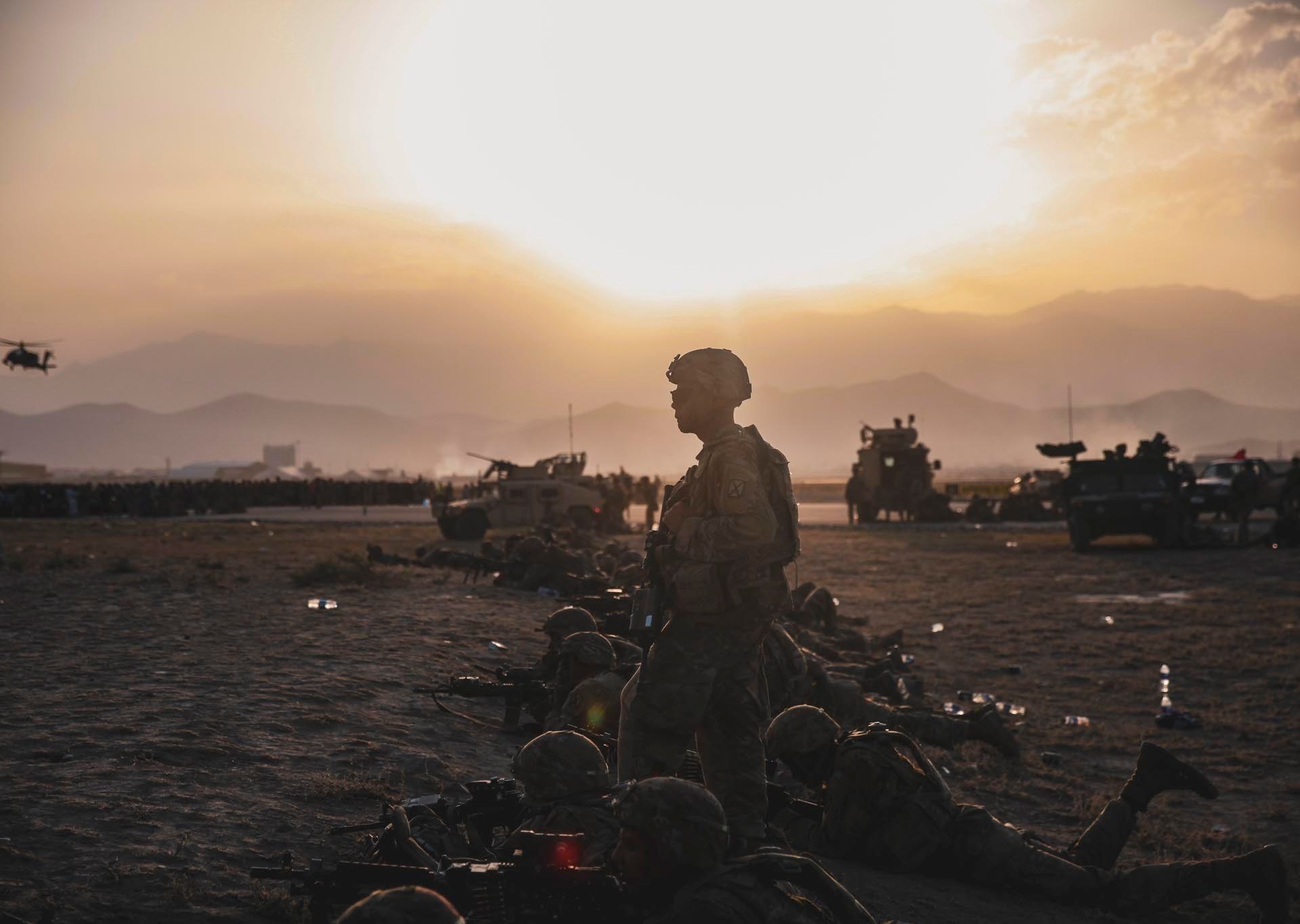
The United States and Iran have resumed direct attacks after the June 17 Islamabad memorandum of understanding broke down, Al Jazeera reported. The renewed fighting matters beyond the two countries because the Strait of Hormuz is closed again, oil prices have risen and Gulf states with US bases are facing spillover strikes.
Al Jazeera reported that the US carried out attacks on Iranian defence and maritime targets for a ninth straight night into Monday. Tehran has responded with strikes of its own, while warning sirens sounded in Gulf countries and Jordan, according to the network.
Both governments have accused the other of violating the Islamabad deal. US President Donald Trump said he considers the truce finished, while Iran said it no longer plans to follow the memorandum, Al Jazeera reported.
Economic pressure returns
Iranian authorities have closed the Strait of Hormuz, the waterway through which Al Jazeera said about 20 percent of the world’s oil and gas moved in peacetime. The closure has again pushed crude prices higher.
The Islamabad memorandum had created a route to reopen the strait and briefly brought oil prices closer to pre-war levels, according to Al Jazeera. The deal also lifted a naval blockade on Iranian ports and offered Iran oil and banking sanctions waivers, allowing Tehran to export tens of millions of barrels of crude.
Mohammad Bagher Ghalibaf, Iran’s parliament speaker and chief negotiator, told Iranian state TV last month that Iran had not exported “even one barrel” during the earlier blockade, Al Jazeera reported. Since fighting resumed, the US has disabled a vessel in the strait that was reported to be carrying Iranian crude, while Tehran has struck commercial ships in the waterway, according to Al Jazeera.
Mohammad Reza Farzanegan, an economist at Germany’s Marburg University, told Al Jazeera that a renewed physical blockade leaves Iran less room to use intermediaries, alternative flags and informal shipping channels. He said the immediate effects include lower foreign-exchange income, a weaker rial and more inflation pressure.
Iran’s rial fell to nearly 1.9 million against the US dollar this week, a record low, Al Jazeera reported. The Tehran Stock Exchange’s main index also dropped 120,000 points, or 2.4 percent, on Saturday to 4.77 million.
In the United States, CNBC polling cited by Al Jazeera put Trump’s disapproval rating on the economy at 60 percent and his net approval at minus 22. The poll also found 61 percent of respondents pessimistic about the economy, the highest share since December 2023.
Military costs widen
The US military said another American service member was killed late last week, bringing total US deaths in the war with Iran to 17, Al Jazeera reported. Three US personnel have been killed since the war resumed about 10 days ago.
Two US personnel were killed in an Iranian attack on an airbase in Jordan on Friday, with a third missing, according to Al Jazeera. Another soldier was killed in Iraq while working to defuse unexploded ordnance from an Iranian drone.
Tehran has claimed attacks on US military sites in Kuwait, Bahrain and Jordan, including an aircraft at Aqaba airport. Al Jazeera said it could not immediately verify the damage to those facilities.
Gulf Cooperation Council states have used interceptors against Iranian attacks, after already using hundreds of costly interceptors during the first phase of the US-Israel war on Iran in March and April, Al Jazeera reported. Iranian strikes have also hit civilian infrastructure in Gulf countries, including power and desalination plants in Kuwait, drawing regional condemnation.
The US says its strikes are aimed at Iran’s military infrastructure, especially southern islands used as military or surveillance posts and believed missile sites, according to Al Jazeera. Iranian officials say US attacks have also hit civilian infrastructure, including bridges, tunnels, ports, power stations and water plants, killing more than 50 people and wounding about 500 over the past three weeks.
Diplomacy fades
Washington says its renewed campaign is meant to reduce Iran’s ability to disrupt shipping through Hormuz. Trump said last week that the US controls the strait, a claim Tehran rejects, Al Jazeera reported.
Aniseh Tabrizi, an associate fellow at Chatham House, told Al Jazeera that optimism about diplomacy has fallen since the memorandum collapsed. Farzanegan said economic losses could still push the sides back toward talks, while economist Nader Habibi told Al Jazeera that escalation in the next couple of weeks appears more likely than negotiation.
This story draws on original reporting from Al Jazeera.