
Heat wave puts new scrutiny on AI data center power use
A severe US heat wave is testing power and water systems as officials question the rapid buildout of AI data centers.
By Sofia Marchetti · World Affairs Correspondent
4 min read
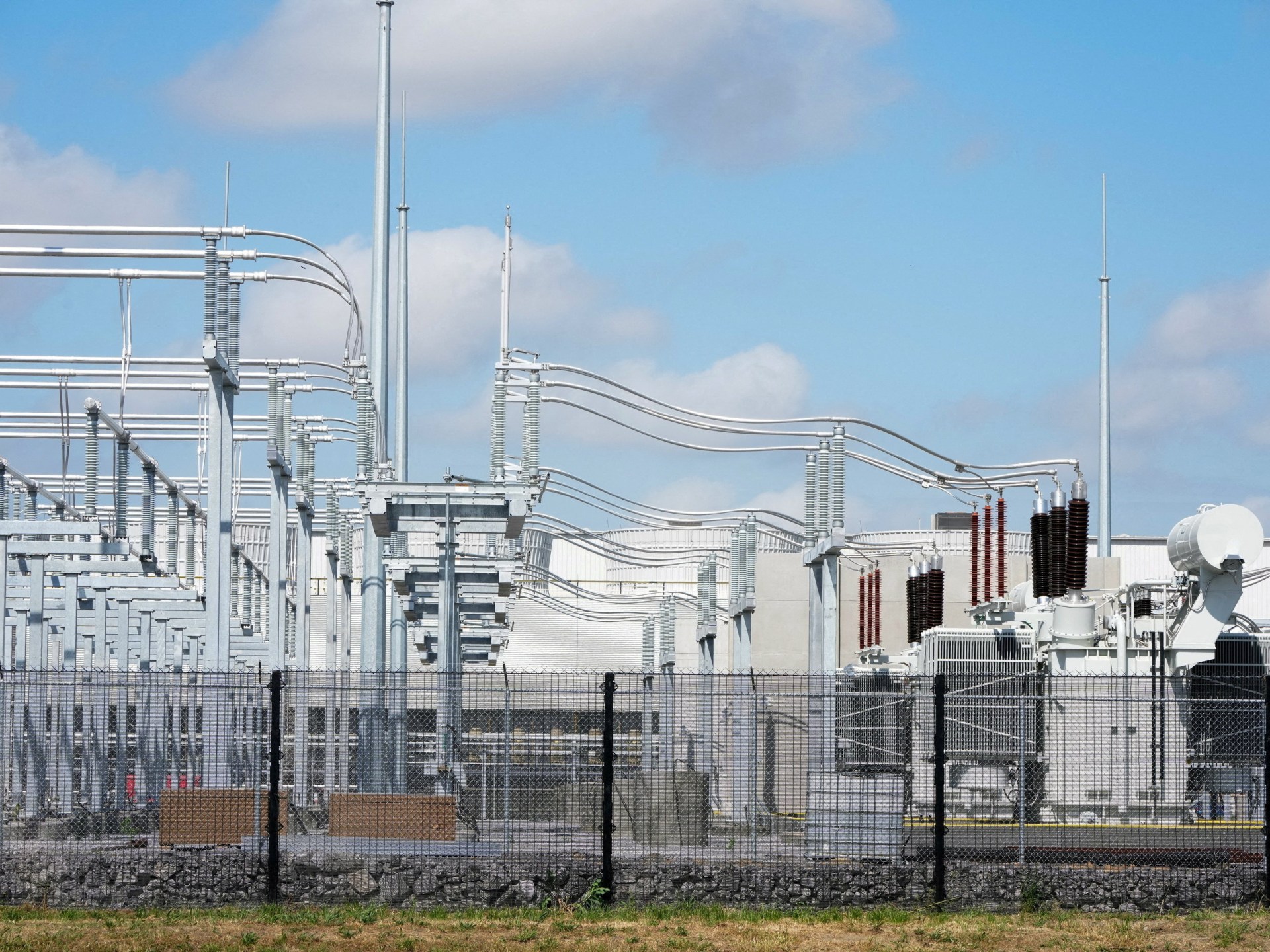
A severe heat wave across the United States is putting fresh pressure on electric grids and water supplies while sharpening political scrutiny of AI data centers. Al Jazeera reported that the strain is arriving as developers rush to build thousands of new facilities that require large amounts of electricity and water.
Utilities, regulators and policymakers have warned that the pace of construction is running ahead of upgrades to power and water infrastructure, according to Al Jazeera. The concern is no longer limited to energy specialists: lawmakers from both parties are calling for tighter controls on where and how data centers are built.
Texas Governor Greg Abbott called this week for a ban on new data centers in rural areas, Al Jazeera reported. Abbott has also said the facilities should produce their own power and reuse water. On the left, Senator Bernie Sanders and Representative Alexandria Ocasio-Cortez have called for a pause on new data center construction.
Public resistance is also rising. A recent Gallup survey found that seven in 10 Americans opposed data center projects in their own communities, with half of those opponents pointing to heavy use of electricity and water as a main concern.
Grid operators seek emergency tools
Data centers now account for 4% of US electricity demand, and that share is expected to reach 9% by 2030, according to the US Department of Energy. The current heat wave is testing a power system already facing more extreme weather, Al Jazeera reported.
PJM Interconnection, the largest US grid operator, asked the Energy Department to order data centers to switch to backup generators within 15 minutes of an emergency signal, according to Al Jazeera. PJM said the measure would keep more electricity available for homes and businesses across its 13-state territory and Washington, DC.
The request came as dangerous heat settled over the East Coast. Al Jazeera reported that forecast heat index readings were expected to top 104 degrees Fahrenheit in Washington and 100 degrees in New York, with Central Park facing a possible record high not seen there in more than a decade.
Arif Gasilov, a partner at Gasilov Group, told Al Jazeera that data center siting and cooling systems were built around average conditions that are becoming less reliable. He said cooling power needs rise as temperatures climb.
Cooling can account for as much as 40% of a data center’s electricity use in normal weather, according to Gasilov. A University of Cambridge study cited by Al Jazeera found that areas near data centers can become heat islands, with temperatures rising by an average of 2 degrees Celsius and by as much as 9.2 degrees Celsius close to a facility.
Water demand adds to local worries
The pressure extends beyond electricity. Al Jazeera reported that many data center cooling systems use potable water and do not recirculate it, with nearly 80% of water used for cooling evaporating.
Data centers currently use about 627 million gallons of water per day, below major uses such as cattle, steel production and households, according to figures cited by Al Jazeera. But AI growth is expected to raise that demand, and two-thirds of new data centers built or planned since 2022 are in areas already facing water scarcity, Al Jazeera reported.
A single large AI data center can use up to 5 million gallons of water a day, according to Al Jazeera. The Environmental and Energy Institute says a large facility can consume as much water as a city of 50,000 people.
Pew Research data cited by Al Jazeera showed that 38% of Americans live within five miles of one of the roughly 3,000 operating US data centers. Virginia has the most, with 398 operating and 287 planned, followed by Texas, with 296 operating and 170 planned.
Electricity demand is already affecting local systems. Al Jazeera reported that about 50,000 California customers near Lake Tahoe were told earlier this year to find a new power provider because of rising data center-driven demand. In Virginia’s Henrico County, emails obtained by 404 Media showed officials asking schools to reduce power use as demand increased.
This story draws on original reporting from Al Jazeera.