
Hamas says it is ready to transfer Gaza civil administration
Hamas has announced it would dissolve its Gaza governing body and hand civilian duties to a proposed Palestinian technocratic committee.
By James Whitfield · Staff Writer
3 min read
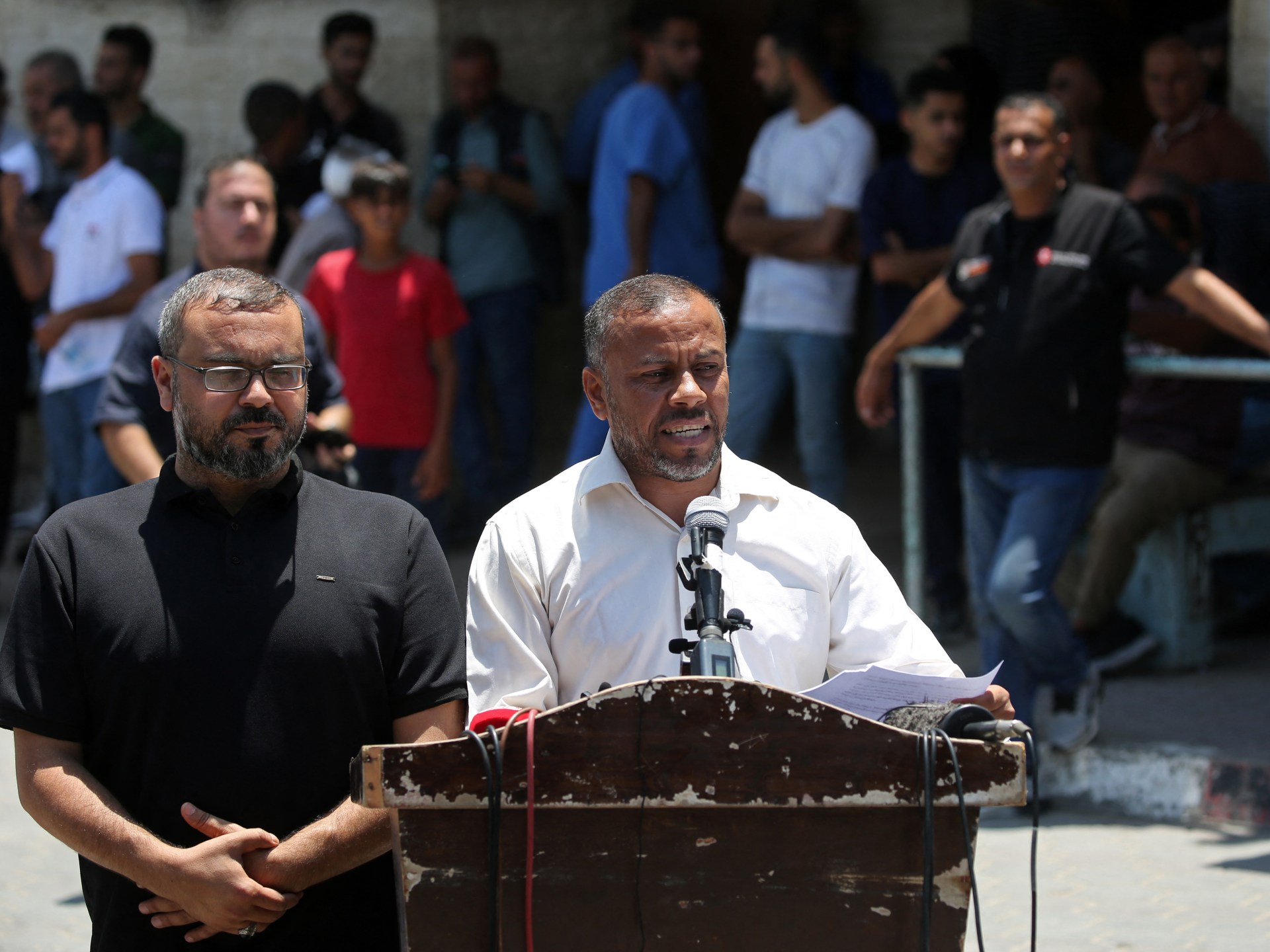
Hamas has said it is prepared to dissolve its governing body in Gaza and transfer civilian administration to a proposed Palestinian committee, a step that could reshape talks over who runs the enclave after nearly three years of war. Palestinian political analyst Ahmed Najar, writing for Al Jazeera, said the announcement puts pressure on Israel and its Western allies, who have long described Hamas’s rule as a central barrier to a political settlement.
The proposed body is the National Committee for the Administration of Gaza, or NCAG, which Najar described as a Palestinian body advanced within the United States-backed Board of Peace framework. He said the plan remains uncertain, with negotiations still complex and key details unresolved.
According to Najar, the committee is expected to function as a technocratic administration rather than a party-led government. It would be made up of Palestinian professionals, including engineers, economists, lawyers and administrators, with responsibilities such as schools, hospitals, public services and reconstruction.
Najar said its members would not be Hamas officials and would not be elected on a partisan platform. Their mandate, as described in his account, would be limited to managing civilian life while wider political disputes remain unsettled.
New objections after Hamas offer
Najar wrote that the announcement tests the argument made by Israel and its allies that Hamas’s control of Gaza blocked progress toward peace. If that was the obstacle, he argued, a non-Hamas Palestinian administration should open political space for reconstruction and eventual elections.
He said new conditions have already emerged, with disarmament, security arrangements, oversight and approval mechanisms now being treated as tests for whether the proposed administration would be accepted. Those questions carry political weight, Najar wrote, but they also fit a pattern in which Palestinian political formulas face shifting external demands.
Najar pointed to the 2006 Palestinian legislative elections, when Hamas won a parliamentary majority. He wrote that the result was followed by international isolation, aid suspensions and Israeli restrictions, rather than an effort to bring the elected leadership into a political process.
The broader issue, Najar argued, is who is allowed to represent Palestinians. He wrote that elected leaders, unity governments and technocratic administrations have each faced outside challenges to their legitimacy.
Control beyond administration
Najar said Hamas’s possible withdrawal from civilian administration would not settle the larger question of power in Gaza. He noted that Hamas remains an armed movement, that Israel cites security concerns for maintaining military control, and that Palestinians remain divided over leadership and strategy.
He argued that a technocratic administration could be tasked with distributing aid, rebuilding hospitals, restoring electricity and running public services while lacking authority over the forces shaping the crisis. In his account, Israel could still control Gaza’s borders, airspace and coastline, restrict the movement of people and goods, limit reconstruction materials and carry out military incursions.
Najar also wrote that Israeli forces continue to hold large parts of Gaza, maintain military zones inside the enclave and conduct attacks despite a declared ceasefire. He linked Gaza’s humanitarian catastrophe not only to its internal governance but also to what he described as Israel’s military, political and economic control over Palestinian life.
His argument is that changing the administrators in Gaza would not amount to self-government if Palestinians lack authority over borders, security, reconstruction and political life. Without that authority, he wrote, Gaza risks being left with administration without sovereignty.
Najar concluded that Gaza’s future should be determined by Palestinians’ right to choose who governs them, rather than by whether one faction replaces another in government offices.
This story draws on original reporting from Al Jazeera.