
Guo Wengui sentenced to 30 years in U.S. fraud case
A Manhattan judge said the exiled Chinese businessman used investor money to fund a luxury lifestyle while casting himself as a democracy advocate.
By Sofia Marchetti · World Affairs Correspondent
3 min read
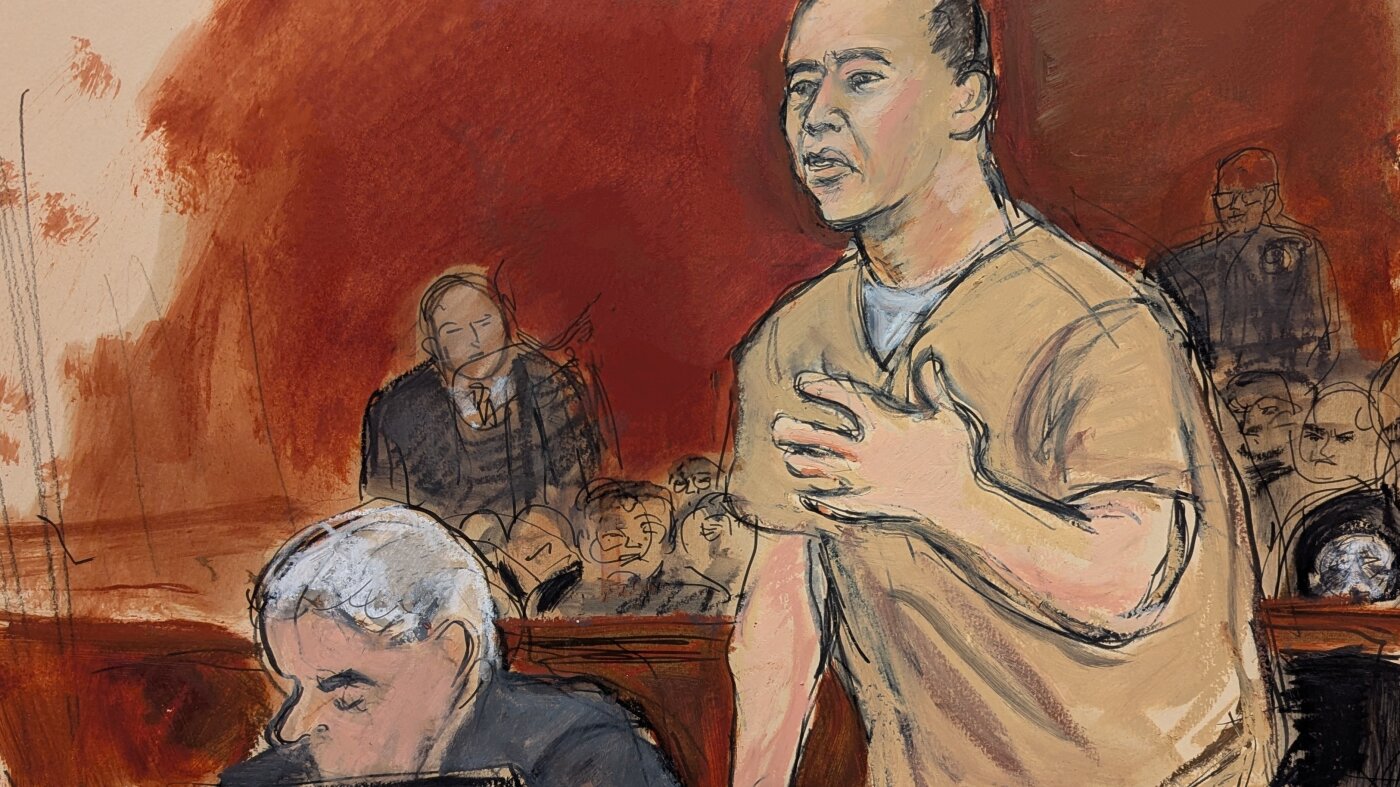
Guo Wengui, the exiled Chinese businessman and outspoken critic of Beijing, was sentenced Monday to 30 years in federal prison in a fraud case that prosecutors said drained more than $1 billion from investors. The sentence marks a severe fall for a once-prominent tycoon who built a political following in the United States by presenting himself as an enemy of the Chinese Communist Party.
U.S. District Judge Analisa Torres imposed the sentence in Manhattan federal court, according to The Associated Press. Torres said Guo exploited people who wanted democratic change in China and used their money to support an extravagant personal life.
The judge said the fraud harmed more than 1,000 people around the world and cost victims hundreds of millions of dollars, AP reported. She also ordered Guo to forfeit $889 million in restitution.
Guo, who is also known as Miles Guo and Ho Wan Kwok, was convicted at trial on nine of 12 criminal counts. Prosecutors said the seven-week trial showed that he misled thousands of investors through sham ventures linked to entities he controlled, including GTV Media Group Inc., the Himalaya Farm Alliance and the Himalaya Exchange.
Federal prosecutors had asked for a prison term of at least 30 years. In court papers cited by AP, they said the scheme ran from 2018 to 2023 and left victims and families damaged financially and emotionally.
Prosecutors said Guo persuaded hundreds of thousands of people to put more than $1 billion in total into businesses he controlled. They said the money supported purchases and spending tied to mansions, yachts, race cars, designer clothing and luxury furnishings.
Judge cites victims' losses
Torres read from letters by victims who said they lost life savings, suffered anxiety and shame, and faced anger from relatives over their investment decisions, AP reported. One trial witness, Wei Chen, told the court that Guo’s fraud destroyed her life and harmed her family.
The judge said Guo had not accepted responsibility and had claimed his conduct caused no loss and hurt no one, according to AP. She also said he had urged supporters to harass and intimidate people who spoke against him.
Before the sentence was handed down, Guo focused much of his statement on his treatment in jail. Speaking through an interpreter, he said he had been taken to a hospital earlier Monday and disputed a prosecutor’s suggestion that he was feigning illness, AP reported.
Guo briefly addressed the case by saying he came to the United States to destroy the Chinese Communist Party. Supporters in the courtroom applauded and shouted toward him as he was led away after sentencing, according to AP.
Defense says China targeted him
Guo fled China about a decade ago and later settled in the United States, where he became known for attacks on China’s ruling party. Before his arrest three years ago, he lived in a luxury apartment overlooking Central Park, had joined President Donald Trump’s Mar-a-Lago club and had become close to conservative strategist Steve Bannon, AP reported.
Guo and Bannon announced a joint effort in 2020 aimed at overthrowing the Chinese government, according to AP. Guo’s lawyers argued in court filings that he was the target of a broad and dangerous campaign by the Chinese Communist Party and that a long prison term would validate Beijing’s efforts against him.
The defense said Guo’s wealth grew as his family became the largest shareholder of China’s largest publicly traded securities company. His lawyers said he drew official hostility after accusing Chinese officials of corruption and later moved through Hong Kong and London before arriving in New York in 2017.
Chinese authorities have accused Guo of crimes including rape, kidnapping and bribery, allegations he has denied, AP reported. Prosecutors said in their sentencing papers that Guo was unrepentant and had abused the U.S. asylum system after establishing himself in America.
This story draws on original reporting from NPR.