
German coalition strikes reform deal on taxes, pensions and labor
Merz’s coalition agreed on tax cuts, labor changes and a pension overhaul as it tries to lift growth and blunt the far right.
By Daniel Okafor · Business Editor
3 min read
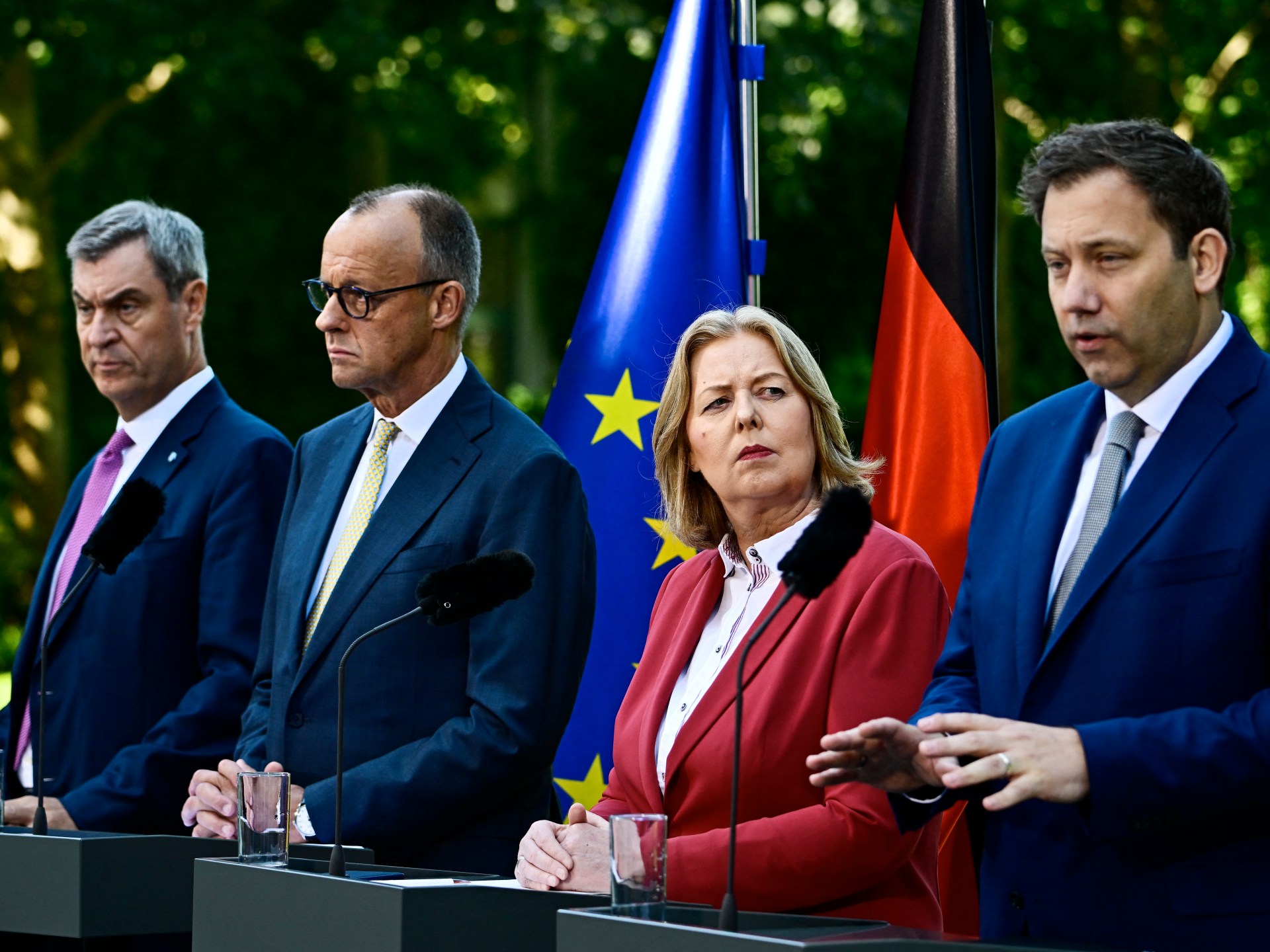
German Chancellor Friedrich Merz’s governing coalition has agreed to a broad reform package covering taxes, pensions, labor rules and bureaucracy, according to AFP, AP and Reuters. The deal is meant to revive growth in Europe’s largest economy while Merz’s center-right CDU and its Social Democratic partners face pressure from the far-right Alternative for Germany ahead of eastern state elections in September.
The programme, announced Thursday in Berlin, includes 34 measures, the news agencies reported. Merz told a news conference that the government was acting to address Germany’s weak economic growth and acknowledged that his coalition was “under pressure from many sides.”
The package includes about 10 billion euros ($11.4bn) a year in income tax relief for lower- and middle-income earners starting January 1, 2027, according to the agencies. The coalition plans to pay for much of that through changes to a surcharge on top incomes.
Finance Minister and Vice Chancellor Lars Klingbeil of the SPD said the plan would shift more of the burden to those with the highest incomes. “The highest earners in this country will therefore take on a larger share,” Klingbeil said, adding that the approach was fair.
Labor rules and sick leave changes
Merz said the measures are designed to cut red tape, preserve the welfare state and ease pressure on companies, according to AFP, AP and Reuters. The agencies reported that German firms have been strained by high energy costs, stronger Chinese competition and tariff pressure from the United States.
The coalition also plans changes aimed at absenteeism. The package ends the pandemic-era rule allowing workers to obtain sick notes by telephone and would require a doctor’s certificate from the first day of illness, rather than from the fourth day under current rules, according to the agencies.
Other labor changes would loosen limits on fixed-term employment. The maximum length of fixed-term contracts without cause would rise to 48 months, the news agencies reported. The package also removes a set of corporate reporting requirements as part of the government’s effort to reduce bureaucracy.
Pension overhaul still needs votes
On pensions, the coalition agreed to carry out all 33 proposals from a government-appointed pension commission, with legislation to be completed by the end of the year, according to AFP, AP and Reuters. The proposals would tie the retirement age to life expectancy after 2031.
That change would push the retirement age beyond the current legal ceiling of 67, the agencies reported. Some estimates cited by the agencies suggest it could reach 70 by the 2090s.
Marion Muehlberger, a senior economist at Deutsche Bank, told AFP the announcement amounted to “one of Germany’s biggest reform packages in decades” and showed the government could agree on major structural changes. She said the plan should support confidence and matched Deutsche Bank’s expectation that growth will strengthen in the second half of the year.
The measures are not final. AFP, AP and Reuters reported that the package still requires approval from the Bundestag, Germany’s lower house of parliament. The income tax changes also need consent from the Bundesrat, the upper chamber, which has warned about a possible revenue shortfall.
This story draws on original reporting from Al Jazeera.