
Gaza woman awaits treatment after strike killed daughter and cost her an eye
Najwa Abu Atiwi is seeking care outside Gaza after an Israeli strike left her with severe facial injuries and killed her young daughter.
By Daniel Okafor · Business Editor
3 min read
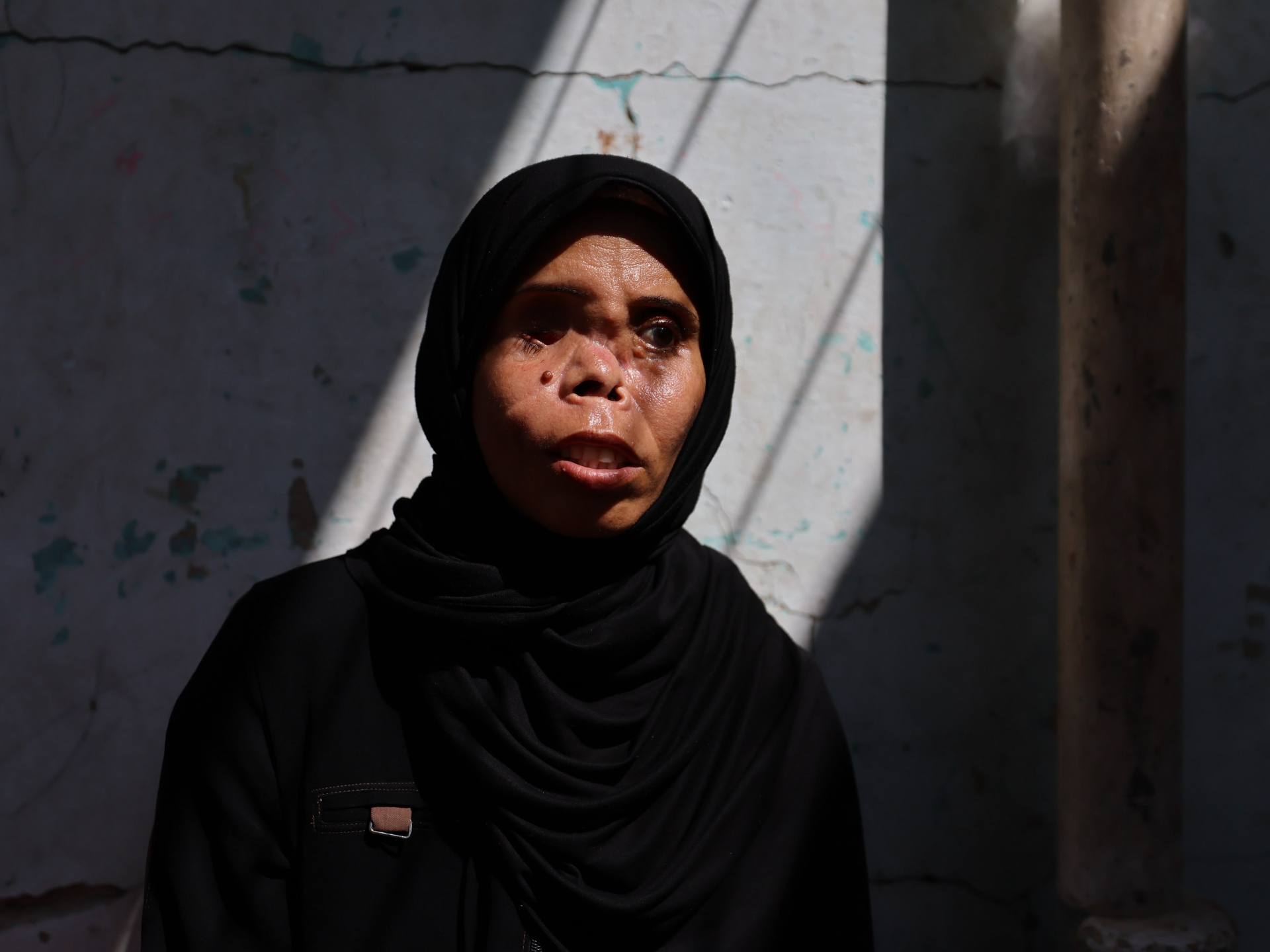
Najwa Abu Atiwi is still waiting for specialised treatment nearly two years after an Israeli air strike in Gaza cost her an eye and killed her daughter. Her case shows how severe injuries from the war have outlasted emergency care, with many patients unable to get the surgeries and rehabilitation they need inside Gaza.
Al Jazeera reported that the strike hit Abu Atiwi’s home in Nuseirat, in central Gaza, in September 2024. Abu Atiwi, now 42, woke from a coma on October 11, 2024, and soon learned doctors had removed one eye and were trying to save the other, which had internal bleeding.
For weeks after regaining consciousness, she did not know that her daughter Hajar had also been killed in the strike, according to Al Jazeera. Hajar was days away from her sixth birthday.
Abu Atiwi told Al Jazeera she repeatedly asked to see her face after waking up, but those around her delayed showing her because they feared the shock. When she finally looked in a mirror, she said she could not recognise herself.
Multiple surgeries and limited options
Abu Atiwi has undergone a long course of surgery and rehabilitation, Al Jazeera reported. Metal plates and mesh were placed in her face, and she still has trouble opening her jaw, speaking and eating.
She told Al Jazeera her diet remains limited to liquids such as soup, water, juice and milk. Doctors have told her some needed procedures are not available in Gaza, and she has received a referral for treatment abroad but is still waiting for permission to leave.
Dr Ayman Saidam, a consultant in oculoplastic surgery, told Al Jazeera that Abu Atiwi’s injuries were among the most complicated he has treated. He said she had lost her right eye, suffered facial fractures and torn eyelids, and had damage around the socket of her other eye that made it difficult to close the eyelid fully.
Saidam said cases like hers require facial and jaw reconstruction before cosmetic eye work can be effective. He told Al Jazeera that Gaza has capable doctors, but shortages of equipment, supplies and surgical materials slow treatment and recovery.
During the war, Saidam said he treated many injuries caused by explosions and shrapnel, including broken bones around the eye, eyelid tears, loss of facial tissue and injuries requiring complex reconstruction. Al Jazeera reported that shortages include some screws and eye drops, which can delay stages of care.
Long-term trauma
The need for rehabilitation in Gaza is broad. The World Health Organization says about one-quarter of recorded injuries in Gaza are life-changing, according to Al Jazeera. More than 50,000 injuries require long-term rehabilitation, including limb loss, severe burns and complex trauma from bombardment and explosions.
Dr Hassan Abu Shawish, a psychologist at the Deir el-Balah Mental Health Clinic who treated Abu Atiwi, told Al Jazeera that her trauma combined physical injury, the loss of her daughter and a major change in appearance. He said such injuries can contribute to post-traumatic stress disorder, anxiety, depression and body image distress.
Abu Shawish said psychological treatment is part of recovery for patients with disfiguring injuries, alongside reconstructive surgery. He said care can help patients adapt, rebuild confidence and return to social life.
Abu Atiwi told Al Jazeera she dreams of Hajar often and still struggles with the loss. As she waits for treatment outside Gaza, she said she wants to regain the life and sense of self she had before the strike.
This story draws on original reporting from Al Jazeera.