
Gaza refrigerator crisis leaves families fighting heat and spoiled food
Al Jazeera reports power cuts are leaving Gaza families unable to keep food, medicine and water cold as diesel shortages strain basic services.
By Daniel Okafor · Business Editor
3 min read
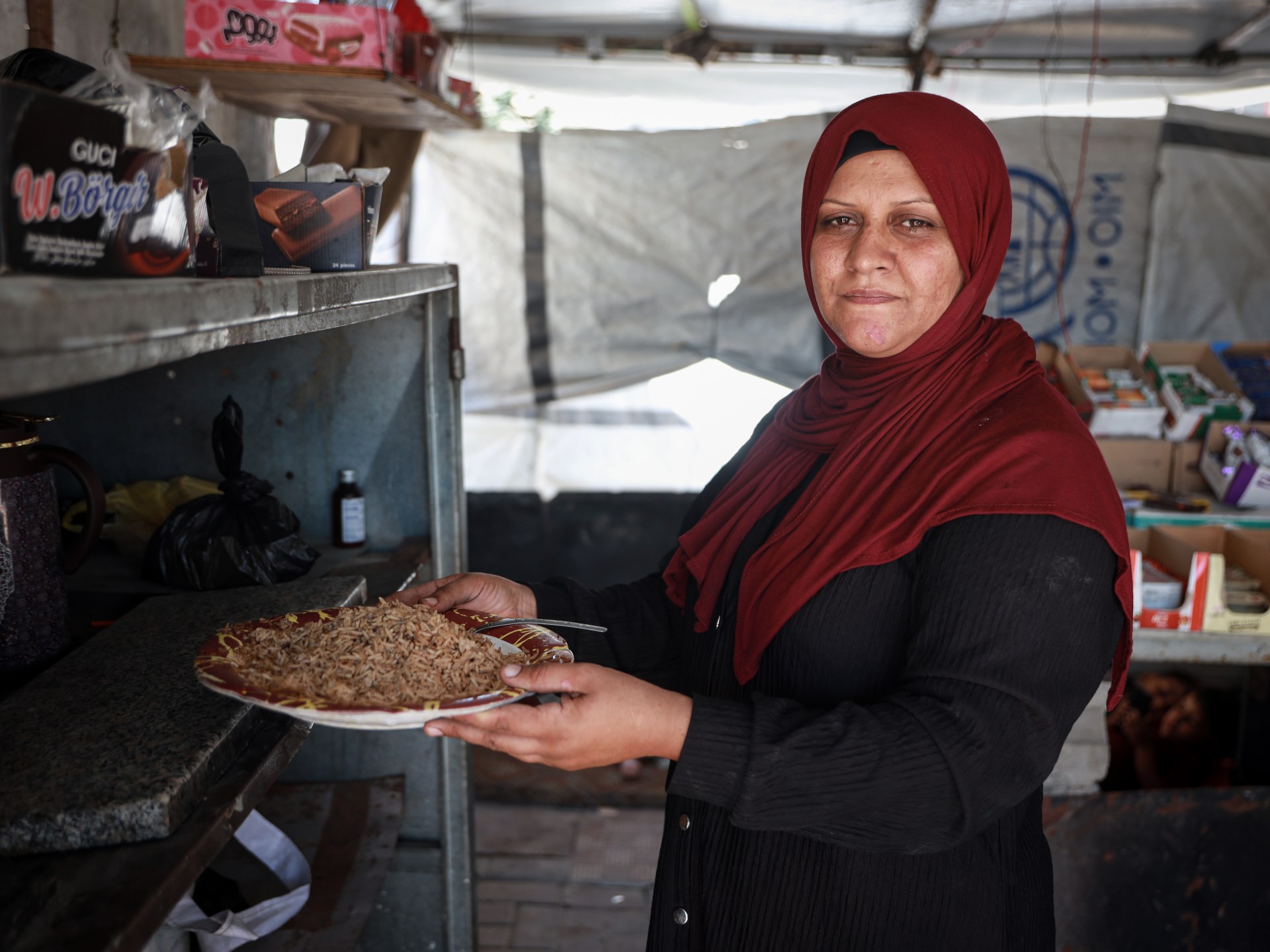
The Gaza refrigerator crisis has turned a basic household appliance into an unusable cabinet for many displaced families, Al Jazeera reported from Gaza City. With electricity scarce under Israel’s siege, residents told the broadcaster they are struggling to keep food, medicine and drinking water safe in extreme heat.
Malak al-Zaanin, a mother of four living in a tent after being displaced from her home, received rice from a community kitchen and worried about what would happen to the leftovers, according to Al Jazeera. She said her refrigerator, once used to preserve meals for days, now sits idle in the tent because there is no power.
“The children will be hungry again soon and ask for food,” al-Zaanin told Al Jazeera. “By then, it will probably have spoiled because we don’t have a refrigerator, and the tent feels like an oven.”
Why are refrigerators not working in Gaza?
Refrigerators need steady electricity, and Al Jazeera reported that prolonged power cuts tied to Israel’s siege have left many household units unusable. UN agencies have warned that heat, outages and the lack of refrigeration raise the risk of spoiled food and food-borne illness, especially for displaced families.
The United Nations Office for the Coordination of Humanitarian Affairs estimated that only 1 million litres, or 265,000 gallons, of diesel entered Gaza in early June 2026, according to Al Jazeera. OCHA said that was far below what was needed to keep life-saving operations functioning, with shortages threatening electricity, water systems and other services.
Al-Zaanin told Al Jazeera she has turned her refrigerator into shelves for aid boxes and items for a small kiosk. She said food kept inside tents is also exposed to flies, insects and rodents in crowded camps with poor sanitation.
Cold water has also become difficult to get. Al-Zaanin said she sometimes buys a cool bag of water for two shekels, or about $0.35 to $0.70, but often has only tank water heated by the sun.
What does the power shortage mean for medicine and daily meals?
Manal Hamad, 43, told Al Jazeera she needs refrigeration for medicine because she has diabetes, high blood pressure and heart disease. She said she sometimes pays people who have working refrigerators to store medicine or food, but the arrangement does not always protect what she brings.
Hamad said she once paid 10 shekels, about $3, to refrigerate meat, only to find that it had spoiled, according to Al Jazeera. She also said vegetables can go bad by the next day, forcing her to move them from one shaded spot in her tent to another.
In Gaza City’s Zeitoun neighbourhood, 40-year-old Nidal Rafeeh uses his idle refrigerator as a cupboard for canned food and personal belongings, Al Jazeera reported. He said he and his wife cook only one meal at a time to avoid wasting leftovers.
“Things that were once necessities have become things we pay extra for,” Rafeeh told Al Jazeera, listing water, phone charging and cooling food or drinking water.
Some residents are paying for cooling services when they can. Mohammed al-Zaanin, 34, displaced from Beit Hanoon, told Al Jazeera he now uses a freezer and diesel generator to sell chilled drinks and water and to charge phones after losing his work as a driver.
He said operating the freezer costs about 1,500 shekels a month, or $488, while electricity bills run 1,300 to 1,400 shekels every 10 days. He told Al Jazeera demand remains high, but he cannot meet every request from families seeking cold water, cooled food or phone charging.
This story draws on original reporting from Al Jazeera.