
Gaza families shelter in ruins as housing crisis worsens
UN figures cited by Al Jazeera say more than 92% of homes in Gaza are damaged or destroyed, leaving hundreds of thousands needing emergency shelter aid.
By Daniel Okafor · Business Editor
3 min read
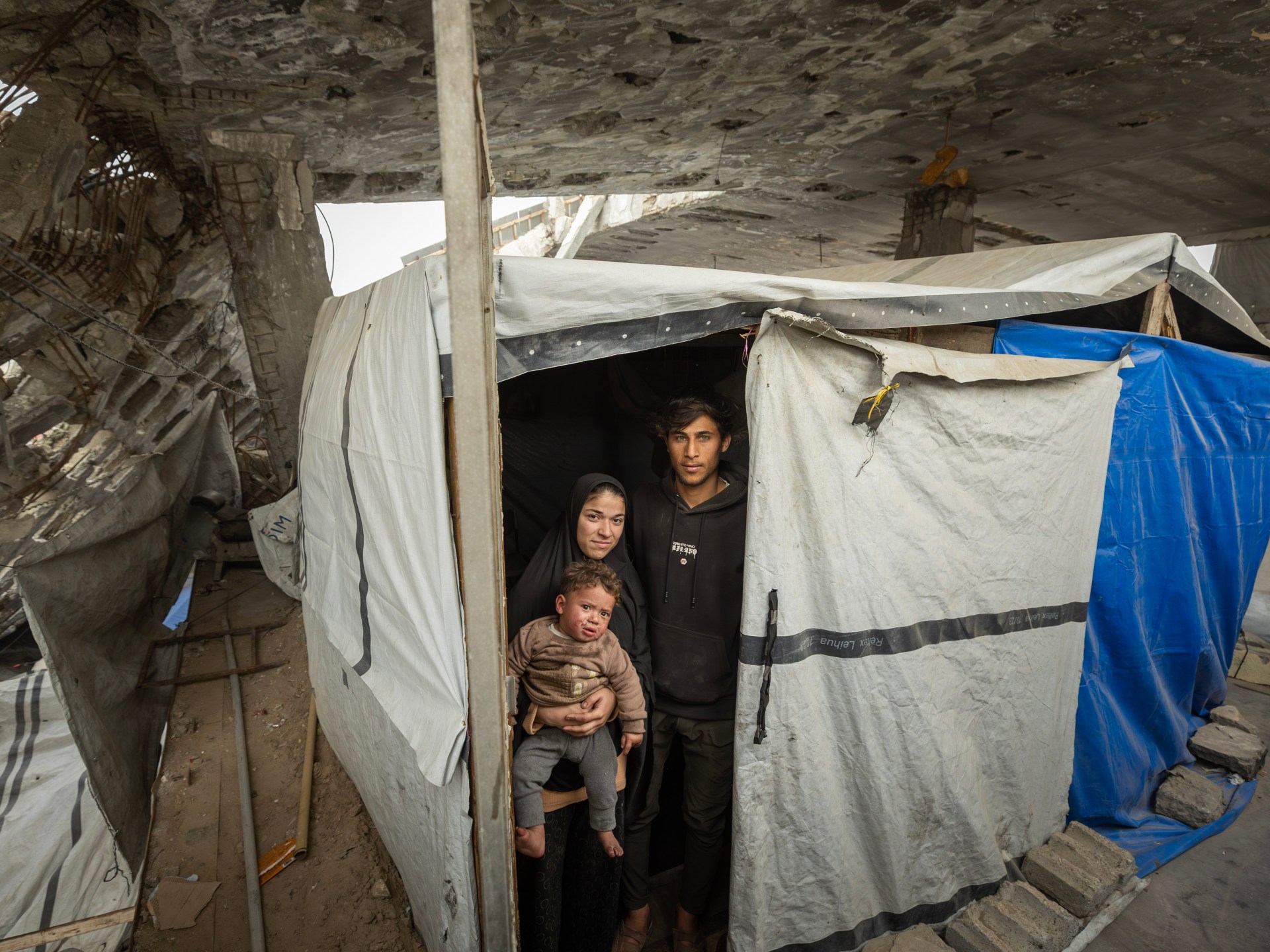
Families across Gaza are living in tents, damaged schools, ruined mosques and unstable buildings as the territory’s shelter crisis worsens, Al Jazeera reported. The crisis leaves many people without secure roofs, basic materials or safe places to rebuild after more than two and a half years of bombardment, according to the outlet.
More than 92 percent of homes in Gaza have been damaged or destroyed in Israel’s war, according to United Nations figures cited by Al Jazeera. The Palestine Shelter Cluster says at least 850,000 people need emergency shelter support and lack essentials such as plastic sheeting, rope and plywood.
Al Jazeera reported that families are putting up shelters wherever they can, including on the remains of their homes and inside damaged public buildings. It said humanitarian groups cannot respond at the needed scale because Israeli restrictions continue to limit the entry of materials used to replace, fix and strengthen shelters.
Shelter needs were already acute after a six-month blockade before the October 2025 ceasefire, according to Al Jazeera. The outlet described households without water or electricity, children sleeping in torn tents and rodents breeding under nearby rubble.
Families describe life in temporary shelter
In accounts documented by Mahmoud Abu Hamda for the International Organization for Migration and published by Al Jazeera, Mu'ayyad Sa'id, a father of three, is living in a destroyed mosque in Gaza City. Sa'id said losing both his work and his home had intensified the hardship of the war, and Al Jazeera reported that he is unemployed and struggling to meet his family’s basic needs.
Salah al-Tawil told Al Jazeera he had lived through many wars but had not seen one like this. The outlet reported that he and his family fled repeatedly during the war before returning to their destroyed home in Maghazi, where he spent two months clearing rubble and making clay bricks by hand to repair part of the house.
Youssef Mahmoud Aziz, displaced from Jabalia in northern Gaza, now lives with his family in a damaged school in Gaza City’s Remal neighbourhood, according to Al Jazeera. He said basics such as a roof, food and school for children had become difficult goals in Gaza City.
Nibal al-Hissi, a young mother of one, lost both arms after an Israeli shell strike, Al Jazeera reported. She now lives in a tent at a displacement site in eastern Gaza, where daily tasks including feeding herself, dressing and caring for her child have become difficult, according to the account.
Damaged buildings become last refuge
Ali Harb and his wife are staying in the basement of their damaged home in Gaza City’s Yarmouk neighbourhood, according to Al Jazeera. Harb said he had nowhere else to go, while the outlet reported that the couple fear the weakened structure could collapse.
Mohammed Jamil Diab, his wife and their three children, displaced from Shujayea in eastern Gaza City, now shelter in the basement of a damaged mosque in Remal, Al Jazeera reported. Diab said life had become a daily fight for survival after the family was displaced more than 20 times.
Other families described repeated moves and the loss of relatives and livelihoods. Al Jazeera reported that Rami Azmeila, a father of seven from Jabalia refugee camp, lost two sons, aged 24 and 22, when a missile hit his home; his family now lives in a makeshift tent on a damaged building near Gaza City.
Saeed Diab, a father of 10 from Shujayea, lost his job and home early in the war, according to Al Jazeera. His family now shelters in two makeshift tents inside a collapsing building in western Gaza City’s Remal neighbourhood.
This story draws on original reporting from Al Jazeera.