
Football club offers support network for men in mental health recovery
Minds United in west London uses football, friendship and routine to support people facing mental illness, disability and social exclusion.
By Lucas Ferreira · Science & Environment Writer
3 min read
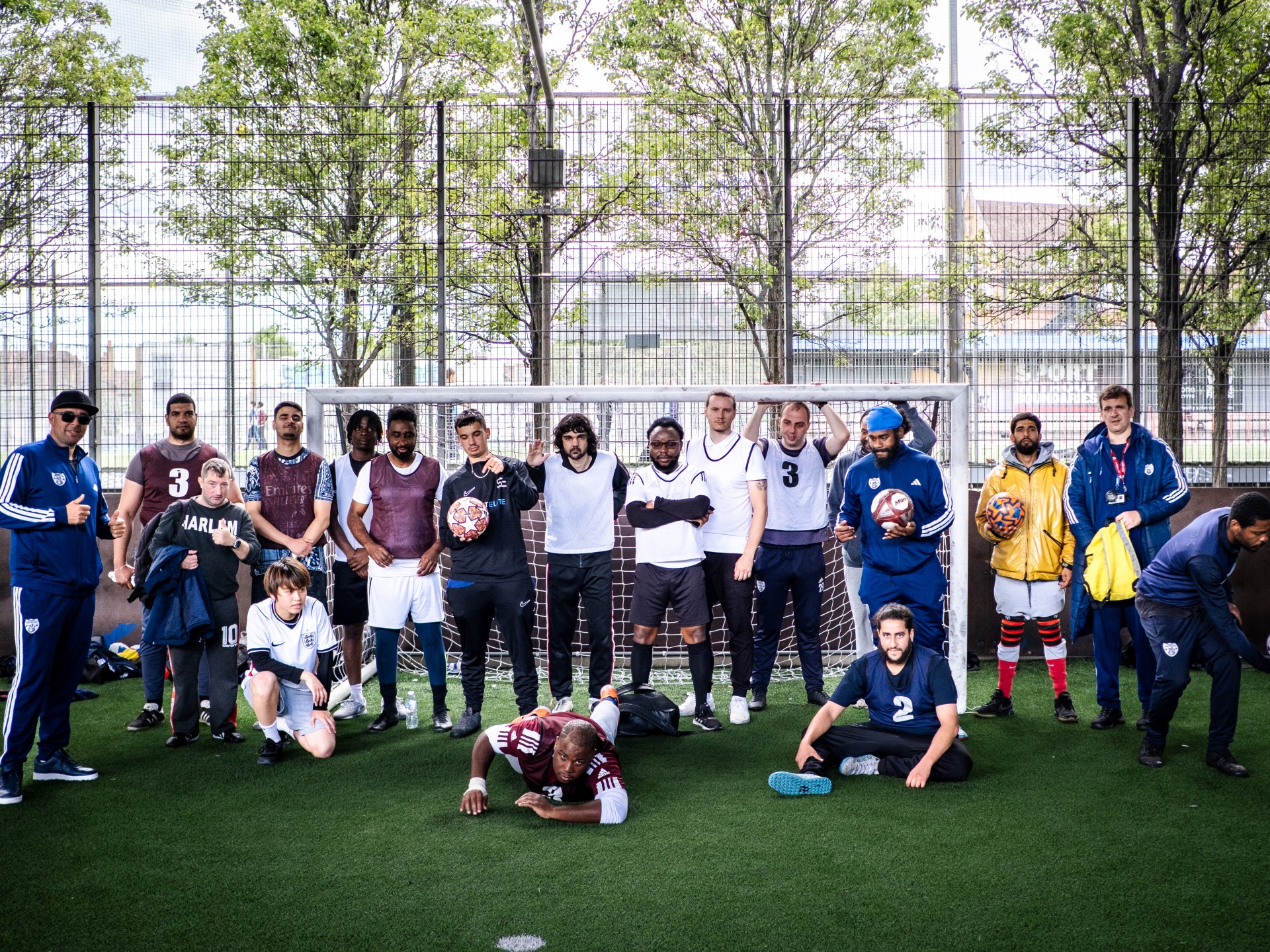
A west London football project is giving men recovering from bipolar disorder, schizophrenia and other mental health challenges a route back into routine, friendship and exercise. Al Jazeera reported that Minds United, founded by Tarik Kaidi in 2019, has grown from seven players and a bag of footballs into a community organisation with more than 400 members.
Kaidi told Al Jazeera he was detained under the United Kingdom’s Mental Health Act in 2013 after relatives contacted mental health services during what he later understood as a manic episode linked to bipolar disorder. He said he was held at St Charles Mental Health Centre in west London and later sank into a severe depression after his discharge.
According to Al Jazeera, a friend eventually encouraged Kaidi to join a mental health football team. Returning to the pitch after a decade away helped him rebuild confidence, fitness and social contact, the outlet reported.
From recovery to coaching
Al Jazeera reported that Kaidi earned coaching qualifications through the Fulham FC Foundation in 2016 before launching Minds United three years later. The club now runs football sessions, social activities and support networks for people experiencing mental illness, disability and social exclusion.
The organisation fields teams for players aged 18 to 70 and receives referrals from mental health services, homelessness charities and community groups across west London, according to Al Jazeera. It is supported by groups including the NHS and Kensington and Chelsea Council, and the club says 95 percent of its players reported improved mental wellbeing.
Minds United also added a women’s section in 2021, Al Jazeera reported. In partnership with Middlesex Football Association, a women’s division was added to the North West London Mental Health League the following year.
Kaidi has also moved into international mental health football. Al Jazeera reported that after meeting members of Italy’s national mental health team at a futsal tournament in Lecce in June 2024, he created England’s first national mental health football team. England reached the quarter-finals of the 2024 Dream World Cup, according to the report.
Exercise, structure and belonging
Al Jazeera linked the experiences at Minds United to a growing body of research on exercise and mental health. A UCLA study found that people who exercised regularly reported fewer poor mental health days, while a 2023 British Journal of Sports Medicine review of more than 1,000 trials and 128,000 participants found physical activity was highly effective at reducing symptoms of depression and anxiety.
Alexa Knight, director of policy and influencing at the Mental Health Foundation, told Al Jazeera that physical activity can improve mood and reduce stress because exercise releases hormones including serotonin and dopamine. She also said social and accessible exercise can make long-term wellbeing gains easier to sustain.
Players described similar effects. Osama Jaw, 28, who told Al Jazeera he has schizophrenia, said exercise helps him organise his mind and feel less panicked. Daniel Workeye, 32, who said he has been diagnosed with paranoid schizophrenia, told the outlet that football helped him make friends, lose weight and feel a dopamine lift.
Jack McClaren, an NHS vocational specialist who brought patients to a Minds United session, told Al Jazeera that exercise and community usually help by offering social connection and relief from stigma. Kaidi told the outlet football has not cured his bipolar disorder, but the club gives him structure, purpose and people who expect him to show up.
This story draws on original reporting from Al Jazeera.