
Europe heat wave raises nuclear power concerns as Danube levels fall
Low Danube water levels put pressure on nuclear operations in Hungary and Romania as firefighters battle a Western Attica blaze.
By Sofia Marchetti · World Affairs Correspondent
3 min read
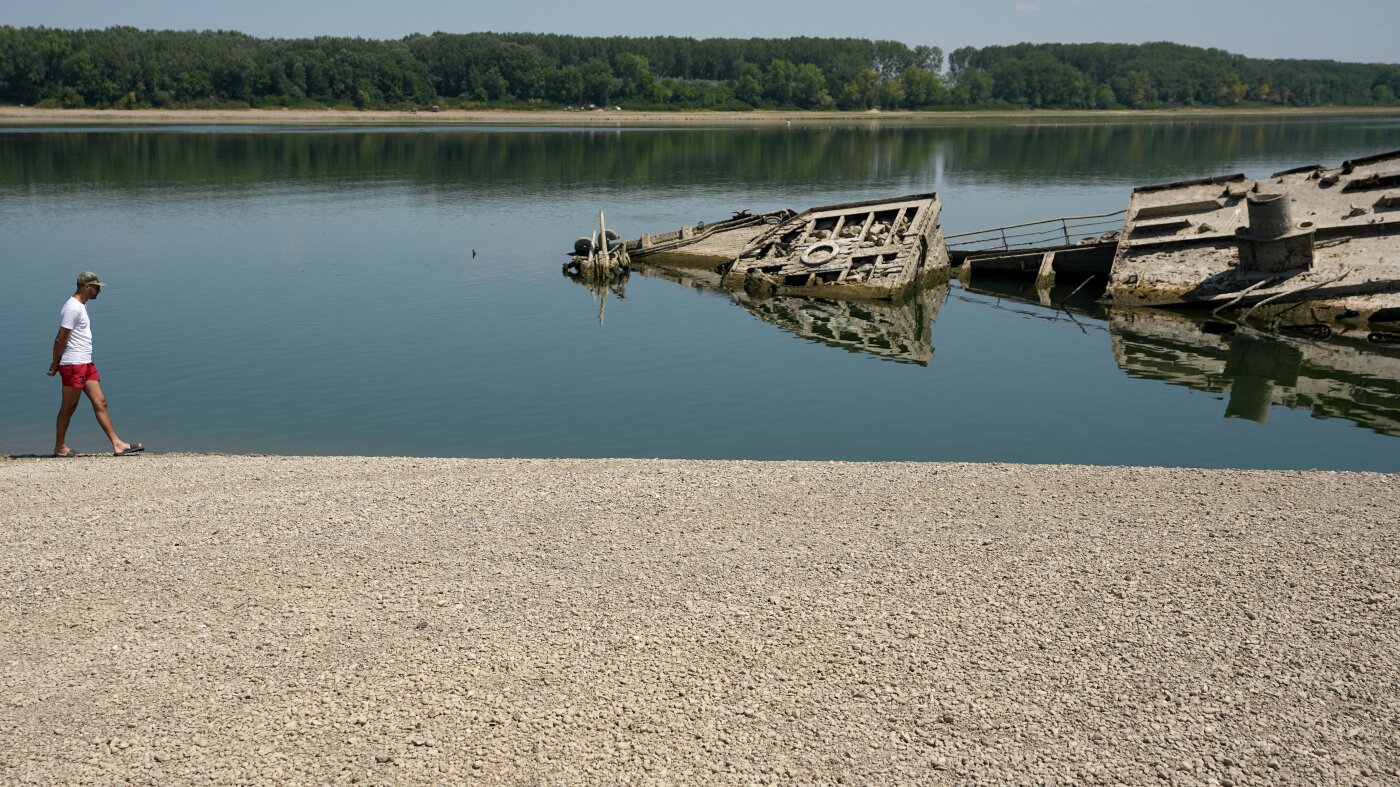
Europe’s heat wave is raising nuclear power concerns along the Danube, where drought and very low river levels have put pressure on operations in Hungary and Romania. The same hot, dry conditions have coincided with destructive fires, including a fire in Western Attica near Athens that drew more than 500 firefighters, NPR reported on Aug. 4.
Hungarian Prime Minister Péter Magyar said the country’s Paks nuclear plant came within a few millimeters of a complete shutdown at about 1:30 a.m. Tuesday. In a statement cited by NPR, Magyar said the water level stopped falling and had risen 1.5 centimeters by morning, leaving the plant’s last turbine operating safely.
In Romania, authorities carried out a controlled explosion in the Danube on Monday to redirect cooling water to the country’s sole operating nuclear plant, NPR reported. The broadcaster also reported that low water had already led to the closure of two Romanian reactors, a claim not independently confirmed in the available material.
Why can drought affect nuclear power plants?
Heat waves and drought can affect the temperature and availability of cooling water, two factors relevant to keeping nuclear generation running, according to the International Atomic Energy Agency. The agency says weather events can prompt protective reductions in output and, in some cases, shutdowns to maintain safe operations.
That technical risk does not by itself establish a wider electricity shortage. The IAEA said weather-related losses equaled 0.3% of global nuclear generation in 2022. It also reported that environmentally linked production losses at affected French stations were 501 gigawatt-hours that year, below 0.2% of those stations’ annual output.
There is precedent on the Danube. An IAEA-indexed 2005 paper said that Cernavodă Unit 1 in Romania was shut during a 2003 heat wave after record drought left insufficient water to cool the reactor. The paper said the reactor remained safe and cooling functions were maintained. That event is historical context, rather than confirmation of the status of the plant in 2026.
Elsewhere on the river, NPR reported that Bulgaria’s nuclear plant had not reduced capacity despite low water. A cruise ship near Vidin, Bulgaria, ran aground the previous week, prompting the evacuation of almost 200 tourists, according to the report.
Wildfire response remains difficult in Greece
Greek broadcaster ERT News reported that more than 500 firefighters and several helicopters were deployed against the Western Attica fire, which had been burning since the previous week. Fire department deputy spokesman Yiannis Artopios said changing conditions were making the blaze difficult to fight, according to NPR.
Two helicopters working on that fire collided Sunday, killing two crew members, NPR reported. The Greek fire service also reported that two firefighters died in a fire on Crete and another died in the Peloponnese during the prior week.
In France, many large fires from the previous week were under control, though maps still showed active fires in the southeast on Tuesday, NPR reported. The events illustrate the specific pressures reported during the heat wave: low Danube levels threatened named nuclear operations, while shifting conditions complicated the firefighting effort in Greece.
This story draws on original reporting from NPR.