
EU Israel settlements sanctions face pressure after new report
An EU report on 2025 settlement expansion has renewed pressure for bloc-wide trade action against Israeli settlements.
By Daniel Okafor · Business Editor
4 min read
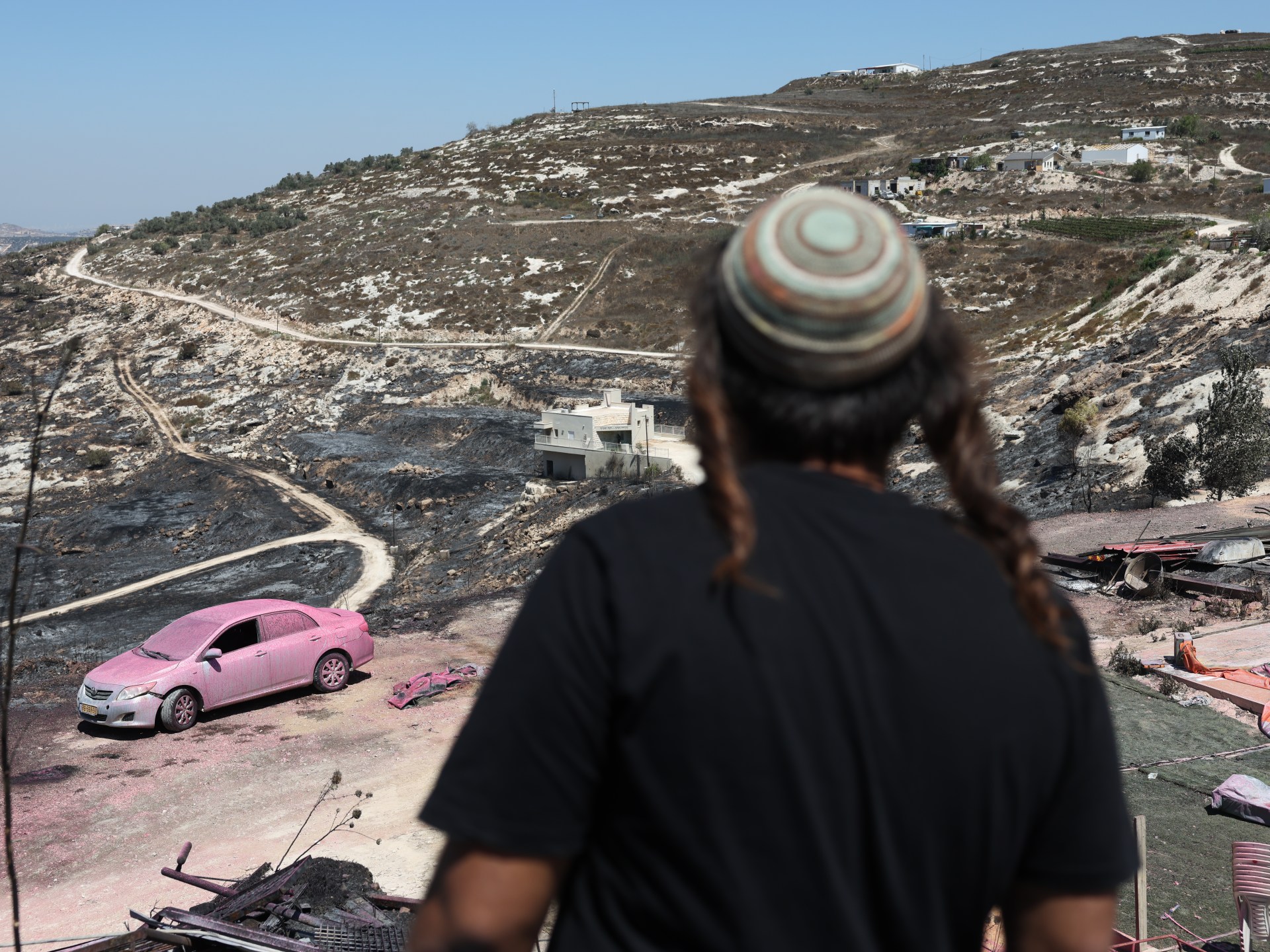
EU Israel settlements sanctions are facing renewed scrutiny after the European External Action Service published a 2025 report detailing rapid settlement expansion in the occupied West Bank and East Jerusalem. The findings have sharpened debate over whether the European Union’s limited penalties can affect Israeli policy or protect the two-state framework EU governments say they support.
Majed al-Zeer, writing for Al Jazeera, argued that Israeli settlements have become a test of European credibility because the EU has long backed a two-state solution while responding cautiously to settlement growth. He said the issue now sits alongside the war in Gaza in shaping European public and political pressure on Israel.
What did the EU report say about Israeli settlements?
The EEAS report, published on July 17, 2026, described settlement activity as part of a coordinated Israeli political project involving construction, outpost legalisation, land seizures, settler violence and changes to governing systems, according to al-Zeer. He wrote that the report presents these steps as moving the occupied territory toward de facto annexation.
According to the EEAS figures cited by al-Zeer, Israel approved 54 new official settlements in the occupied West Bank in 2025, excluding East Jerusalem. The report also recorded 86 new settlement outposts, including 58 agricultural and pastoral outposts.
The report cited plans for 63,311 settlement housing units, al-Zeer wrote. Of those, 27,941 were in the West Bank, while 35,370 were included in 56 plans in East Jerusalem. He said the total was more than twice the previous record set in 2023 and far above the 11,513 units advanced in 2018.
The EEAS assessment, as described by al-Zeer, said the likely effect would be to break up the West Bank, separate its northern and southern areas and cut East Jerusalem off from the rest of Palestinian territory. A two-state solution means creating an Israeli state and a Palestinian state side by side; EU officials have repeatedly endorsed that outcome as the basis for ending the conflict.
What sanctions has Europe taken so far?
The EU imposed sanctions on May 28, 2026, against four entities and three individuals among settlers and groups supporting them, according to al-Zeer. The measures included asset freezes, travel bans on the individuals and bans on making economic resources available to those listed.
EU foreign ministers discussed additional restrictions on July 13, including full or partial bans on settlement imports, tighter export licensing and possible tariffs. Kaja Kallas, the EU’s foreign policy chief, said the bloc’s differentiation policy, which treats settlements separately from Israel proper, had not curbed trade with settlements because member states apply it unevenly, al-Zeer reported.
Several national governments have moved separately. Ireland enacted legislation on July 23, 2026, to ban imports from Israeli settlements in occupied Palestinian territory. Belgium approved a draft royal decree on July 18 to place settlement goods under a licensing, monitoring and penalties system, while the Netherlands issued an economic sanctions decision on July 21 targeting settlement goods, set to take effect on September 22.
Al-Zeer wrote that these steps remain limited compared with the EU’s leverage through its Association Agreement with Israel, which provides trade, economic, political and scientific benefits. He noted that Article 2 of the agreement bases relations on respect for human rights and democratic principles.
How is public pressure shaping the debate?
Al-Zeer cited more than 50,000 protests and events across more than 25 Western European countries and about 800 cities during the war in Gaza. He also pointed to European Citizens’ Initiative No. 2025/000005, which calls for suspending the EU-Israel Association Agreement.
The campaign closed its signature drive on July 15, 2026, about six months before the formal deadline, after gathering around 1.3 million EU citizen signatures, according to al-Zeer. He wrote that organisers said the initiative met national thresholds in 14 of the EU’s 27 member states, double the required minimum of seven.
Al-Zeer also argued that Palestinian political actors have responsibilities of their own, including internal reform, renewed representation and a strategy that links political, legal and diplomatic work. He said Palestinian division weakens efforts to turn European reports, legal openings and public pressure into concrete political results.
This story draws on original reporting from Al Jazeera.