
England-Ghana match spotlights football’s diaspora choices
Tosin Makinde says World Cup eligibility shifts have made colonial history and diaspora identity central to England’s Ghana matchup.
By Daniel Okafor · Business Editor
3 min read
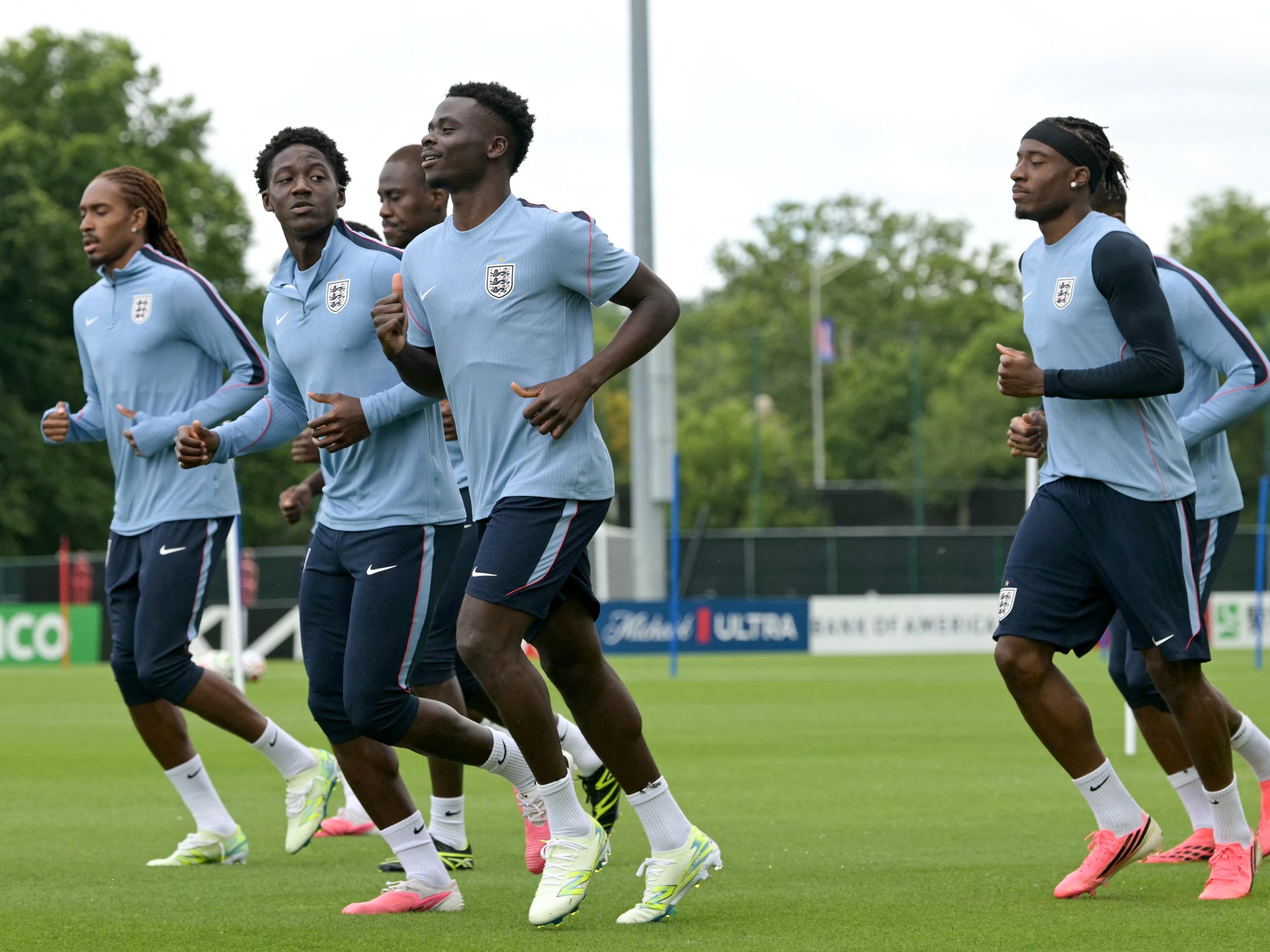
England’s World Cup match against Ghana has drawn attention to players whose national-team choices cross birthplace, heritage and colonial history. In a June 23 Al Jazeera column, Tosin Makinde framed the fixture as a test case for how diaspora identity now shapes international football.
Makinde pointed to four England-born players with Ghanaian heritage: Kobbie Boateng Mainoo, Brandon Thomas-Asante, Jerome Opoku and Antoine Semenyo. Mainoo represents England, while Thomas-Asante, Opoku and Semenyo play for Ghana, a former British colony.
Research from the Migration Observatory at the University of Oxford found that nearly one-quarter of the 1,248 players picked for the 2026 World Cup were born outside the country they represent. The research put the share at 23.6 percent, compared with less than 9 percent at the 2006 tournament, a rise Makinde linked to changes in FIFA eligibility rules.
Eligibility rules widen talent pools
Makinde argued that looser pathways for dual-national players have strengthened teams outside football’s traditional powers. He cited players developed in European academies representing countries tied to their family backgrounds, and said the shift has helped narrow competitive gaps at the World Cup.
He listed Ivory Coast competing with Germany and Cape Verde standing up to Spain as examples from the 2026 tournament. He also noted Morocco’s 2022 run to the semifinals, the first by an African nation, and credited both diaspora talent and the King Mohammed VI academy as part of that success.
The column placed the trend in a wider political context. Makinde wrote that many England players are sons or grandsons of people from African and Caribbean countries, many of them former British colonies, and said football reflects those histories rather than standing apart from them.
Black England milestones
Makinde also traced how Black players have shaped England’s national team. He cited Viv Anderson as England’s first Black player in 1978, Luther Blissett as the first Black player to score for the senior team after a hat-trick against Luxembourg in 1982, and Paul Ince as England’s first Black captain in 1993.
According to Makinde, Ollie Watkins became the 100th Black player to debut for England in March 2021. He said the number had reached 127 by June 2026 after Rio Ngumoha’s debut against New Zealand in Tampa.
Makinde wrote that his own attachment to England and Nigeria began at Wembley on November 16, 1994, when England beat Nigeria 1-0 through a David Platt header. He described growing up with ties to England, Nigeria and the United States, and said those connections made national allegiance complicated.
The column also criticized parts of the English media’s treatment of Black players. Makinde cited coverage of Marcus Rashford, Jadon Sancho, Bukayo Saka and Raheem Sterling, and referred to Stan Collymore’s comments on the issue. He also mentioned Glenn Hoddle’s past assessment of Andrew Cole as needing five chances to score, saying such judgments can harden into damaging reputations.
Makinde said the same dilemma appears across other national teams. He named Guela Doue playing for Ivory Coast while Desire Doue represents France, Nico Williams choosing Spain while Inaki Williams chose Ghana, and Derrick Luckassen representing Ghana while Brian Brobbey represents the Netherlands.
He argued that choices by Ibrahim Mbaye for Senegal over France and Ayyoub Bouaddi for Morocco over France show more diaspora players selecting ancestral countries by preference. For Makinde, Ghana against England is therefore more than a group-stage fixture: it is a meeting of football, migration and the legacy of empire.
This story draws on original reporting from Al Jazeera.