
Darfur families flee to Chad after RSF assault on North Darfur villages
Thousands of families from Orchi are sheltering in eastern Chad without food, water or tents after an RSF offensive, Al Jazeera reports.
By Lucas Ferreira · Science & Environment Writer
3 min read
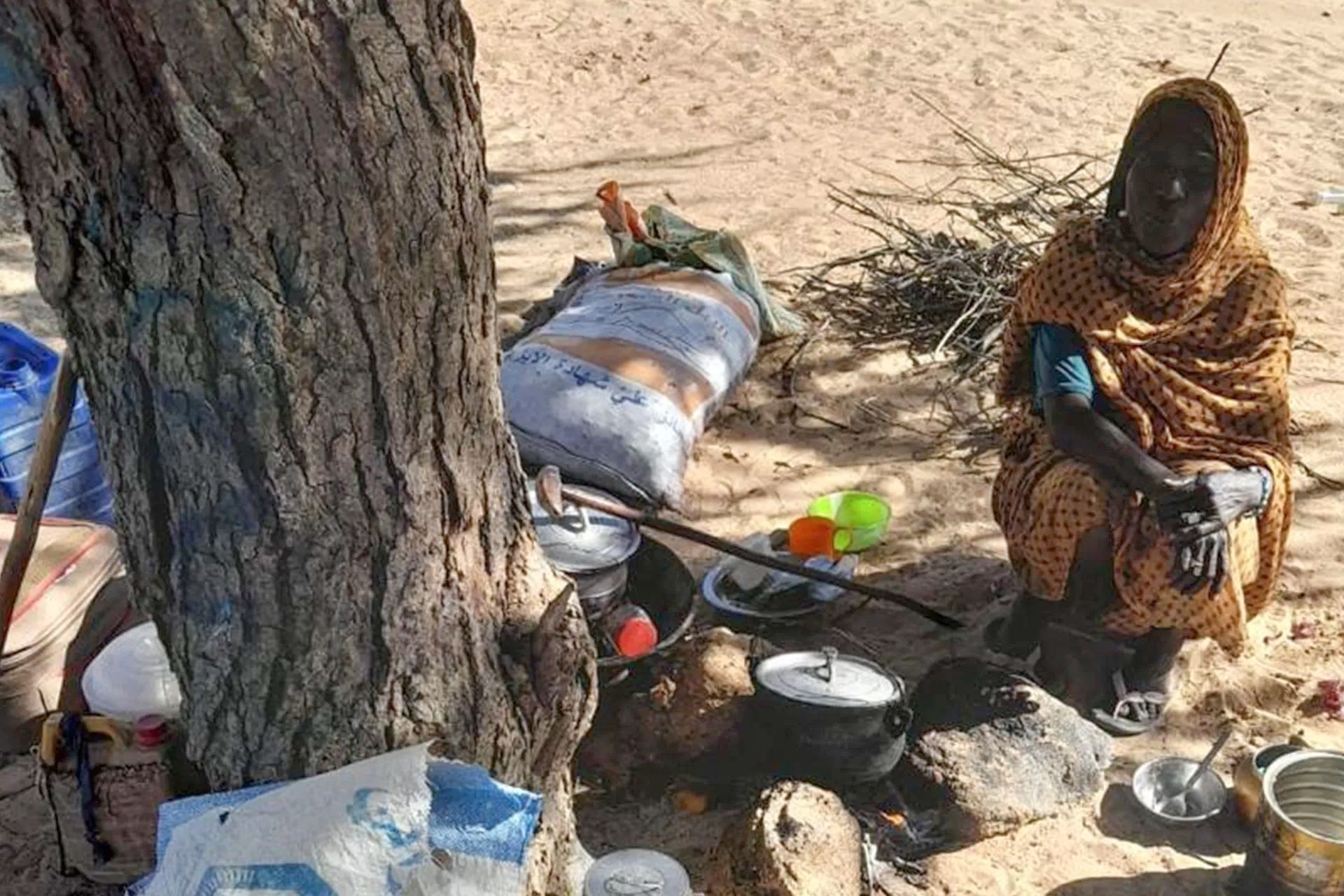
Thousands of people who fled an assault in North Darfur are arriving in eastern Chad with little food, water or shelter, according to Al Jazeera. The displacement adds to a hunger emergency that UN agencies say is already the worst in the world.
Al Jazeera reported from the Iridimi refugee camp in eastern Chad, where 45-year-old Thuraya Mukhtar said she had left the Orchi area of western Sudan a week earlier after explosions and gunfire forced her family to run. She said her children had not eaten for two days and that she did not know where they would sleep.
The flight began after the paramilitary Rapid Support Forces launched an offensive on June 15 in Orchi, in the Um Baru locality of North Darfur, Al Jazeera reported. Fighters on horses and camels, supported by armed vehicles, burned 10 villages, looted and set fire to the local market, and seized livestock and civilian property, according to the report.
Families who escaped are sleeping outdoors in areas near the Chadian town of Tine and in refugee camps in eastern Chad, Al Jazeera reported. Many have no tents, medicine or blankets, and some are sheltering under trees in extreme heat during the day and cold desert conditions at night.
Water and food run short
Water has become one of the most urgent needs after the Orchi reservoir was destroyed, cutting supplies to the affected villages, according to Al Jazeera. Hawa Adam, a 35-year-old mother from Orchi, told the broadcaster that her family walked long distances to Tine, eating leaves and drinking polluted water from puddles on the way.
Adam said food was almost unavailable because supplies had either been taken by RSF fighters or burned in homes. Another displaced woman, identified as 40-year-old Um Ibrahim, told Al Jazeera that her family left without food or medicine and that her children had also gone two days without eating.
Fleeing residents told Al Jazeera that danger remained after the ground assault, saying drones were still flying over the area. Adam Abakar, a recently displaced civilian, said aircraft were targeting movement, water sources, livestock and homes, making it impossible for families to return.
Aid groups overwhelmed
Mustafa Barah, head of the Darfur Genocide Victims Commission, told Al Jazeera that camps in eastern Chad are receiving as many as 80 fleeing families each day. He said many arrive exhausted and without water or food, with some carrying sick children.
Mohammed Safi, media official for the Tine Emergency Room, told Al Jazeera that more than 7,000 displaced families had arrived over two days. He said they urgently needed tents, blankets, food and safe drinking water, and called for immediate outside help.
Salah Rassas Adam Tour, a member of Sudan’s Sovereign Council, told Al Jazeera that Sudanese army operations were aimed at defeating the RSF. He accused the RSF of using civilian displacement as a deliberate policy to alter the region’s demographics and urged international action to stop forced displacement.
Al Jazeera said it contacted the RSF for a response to allegations that its fighters burned villages and forced civilians from Orchi, but the group had not replied by publication.
The reports from the border follow a June 17 warning from the UN Food and Agriculture Organization and the World Food Programme. The agencies said 19.5 million people in Sudan are facing acute food insecurity and that famine threatens 14 areas across Darfur.
This story draws on original reporting from Al Jazeera.