
Damascus bombings test fragile calm as residents press on
Three blasts in a week have sharpened security concerns in the Syrian capital, though residents and analysts say daily life has largely continued.
By Sofia Marchetti · World Affairs Correspondent
3 min read
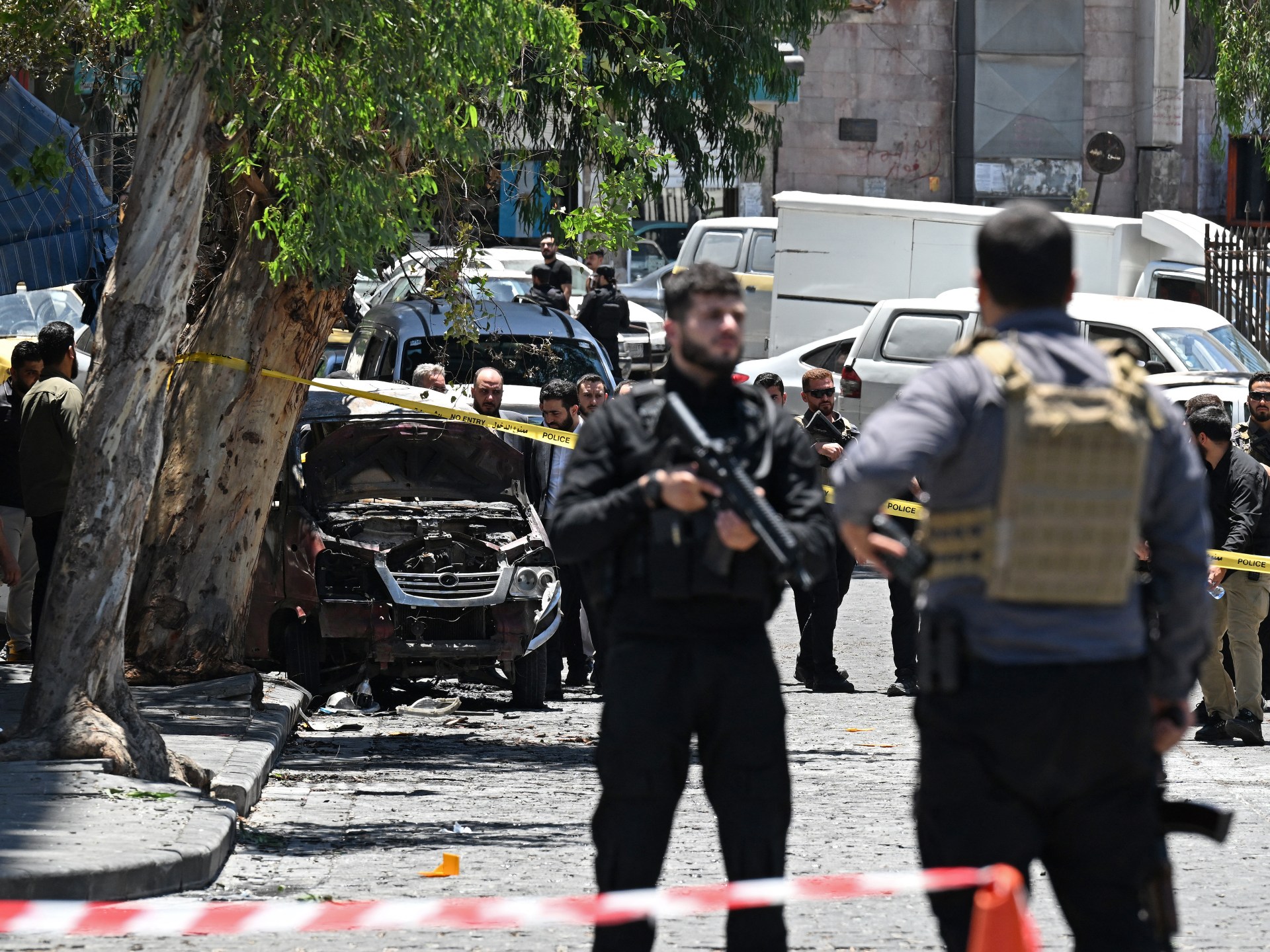
Three explosions in Damascus over one week have put renewed pressure on Syria’s security forces and unsettled residents in the capital. Al Jazeera reported that the attacks struck symbolic and busy areas, including a cafe near the Justice Palace and a site close to the Four Seasons Hotel during French President Emmanuel Macron’s visit.
The first blast hit a central Damascus cafe on July 2, killing at least 10 people, according to Al Jazeera. The cafe’s owner, Mohammad al-Dahabi, told the outlet the explosion left a small crater where customers had recently been sitting, and that the timing spared others who would otherwise have been there later in the day.
Two more explosions followed on July 7 near the Four Seasons Hotel, where Macron was staying, Al Jazeera reported. That attack killed one person and wounded 36, according to the outlet.
Syrian officials said late Thursday that they had arrested an ISIL-linked cell in connection with the July 7 blasts. Interior Minister Anas Khattab wrote on X that the cell behind the Damascus bombings was in custody, though Al Jazeera reported that no group had claimed responsibility for the attacks.
Analysts point to pressure on the state
Navvar Saban, a researcher in security and military affairs at the Arab Center for Contemporary Syrian Studies, told Al Jazeera that many residents had believed Damascus was slowly returning to a steadier daily routine before the latest violence. He said the blasts appeared designed to hurt public confidence in security rather than show broad operational strength.
The attacks come as Syria continues to deal with the aftermath of the fall of Bashar al-Assad’s government in December 2024, according to Al Jazeera. The outlet reported that the country still faces a damaged economy, weak infrastructure, limited electricity and widespread concerns over public safety.
Analysts told Al Jazeera that Damascus had seen some security gains since al-Assad’s departure, including arrests of ISIL operatives and the disruption of assassination plots. Nanar Hawach, a senior Syria analyst at the International Crisis Group, said those gains remain incomplete, especially when it comes to clandestine networks and areas around the capital.
Hawach told Al Jazeera that an ISIL-linked arrest would fit the pattern of previous attacks in Damascus, including a June 2025 church bombing that killed at least 25 people. He said such attacks can spread communal fear while exposing gaps in government protection.
Daily routines continue
Near the Four Seasons, Al Jazeera reported that traffic and pedestrian movement had resumed despite visible signs of the blasts, including damaged street fixtures and a burned tree trunk. A police officer told the outlet he had reached the scene soon after the explosion and found a colleague with a severe leg wound.
Razan Rashidi, executive director of The Syria Campaign, told Al Jazeera that the attacks had increased anxiety, especially because they occurred near places residents need to visit for official paperwork. She said many people in Damascus continue their routines because they have little alternative.
Mirella Abou Chanab, a Damascus-based journalist, also told Al Jazeera that years of war had left many residents accustomed to such incidents and that daily life had not broadly changed.
Al-Dahabi’s cafe remains closed while repairs continue, Al Jazeera reported. The site had been popular with lawyers and workers near the Justice Palace, where high-profile trials of former al-Assad-era figures were under way, including cases involving Atef Najib, Wassim al-Assad and former Grand Mufti Ahmad Badreddin Hassoun.
Saban told Al Jazeera that Syrian security forces are stretched by threats linked to both former regime elements and ISIL-linked cells. He said the latest attacks showed security breaches, but not a wider collapse.
This story draws on original reporting from Al Jazeera.