
Congo Ebola death toll passes 1,000 as outbreak strains eastern region
Official figures put the outbreak at 1,033 deaths and 2,536 cases as responders warn eastern Congo’s health system is being outpaced.
By Daniel Okafor · Business Editor
3 min read
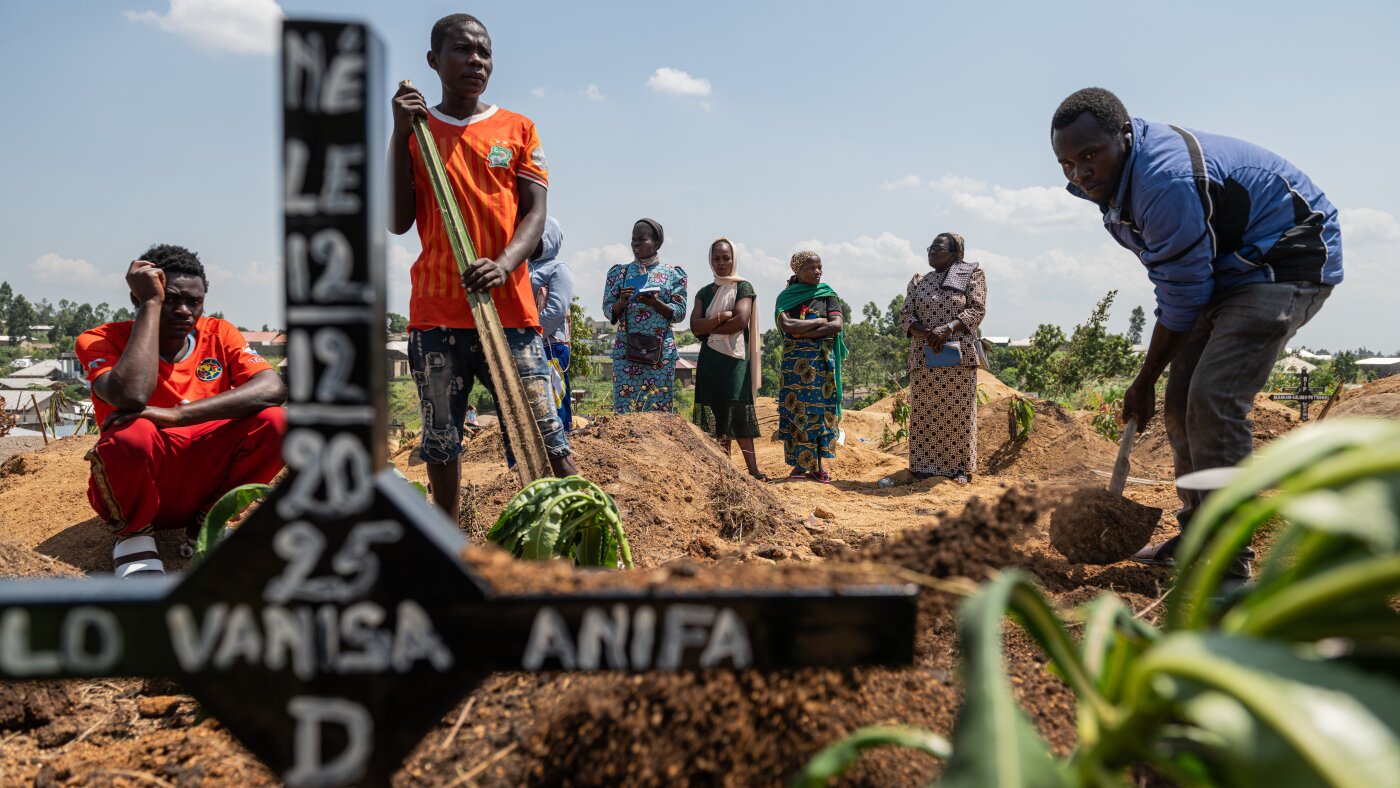
The Congo Ebola death toll has passed 1,000, according to official figures released Thursday, as the outbreak in eastern Democratic Republic of Congo continues to grow. The tally matters because responders say treatment centers and local hospitals are struggling to keep up with infections in a region already strained by conflict and displacement.
Authorities have recorded 2,536 Ebola cases and 1,033 deaths since Congo declared the epidemic on May 15, according to the official figures cited by NPR. Congolese Prime Minister Judith Suminwa was due to travel Thursday to affected areas in the east with officials from the United States and the United Nations, the government said, to assess conditions there.
How fast is Ebola spreading in Congo?
The World Health Organization says the current outbreak is spreading in eastern Congo at a record pace. During Congo’s 2018-2019 outbreak, it took 10 months to reach 2,000 confirmed cases; this time, WHO says that threshold was reached in about two months.
Health responders described a response under severe pressure. Amadou Bocoum, CARE International’s country director in Congo, told NPR the situation is “worsening day by day,” citing gaps in contact tracing, limited funding and the disease’s expansion across a wider area.
Ebola is a severe viral disease that can spread through direct contact with the bodily fluids of an infected person or someone who has died from the disease. Fast isolation, contact tracing and safe treatment capacity are central to containing outbreaks, especially when cases appear in mobile or crowded communities.
The epicenter, Ituri province, has faced armed conflict for more than three decades, according to NPR. More than 900,000 people there live in displacement camps, and aid groups say that makes infection control harder because many people are living in crowded conditions and have limited access to health services.
The local economy also adds risk. NPR reported that artisanal gold mining draws informal workers who move frequently, raising the chance that infected people could carry the virus to new areas before they are identified.
Why are responders struggling to contain the outbreak?
Funding is a central problem, according to WHO and aid groups. In mid-July, WHO said a joint $518 million response plan with the Africa Centers for Disease Control had a shortfall of more than $400 million.
Health workers also face poor conditions. NPR reported that some doctors say they have gone without pay, and health workers in Ituri briefly walked off Ebola wards this month to protest alleged nonpayment and unsafe or poor working conditions; in some cases, they burned tires outside health centers.
Doctors Without Borders, also known as MSF, warned this week that many Ebola treatment centers were full. Trish Newport, an emergency program manager for MSF, said in a statement, “We cannot continue responding to the epidemic with the same limited resources while it continues to outpace us.”
When treatment centers have no open beds, MSF and other aid organizations say people with Ebola may have to remain at home while they wait. That can increase the risk of transmission to relatives or others who come into contact with them.
The outbreak has also moved beyond Ituri. The Congolese government confirmed this month that Ebola had reached Tshopo and Haut-Uele provinces; in Tshopo’s capital, Kisangani, official figures show four deaths. Kisangani is a trading hub of more than 1 million people with direct links to Kinshasa, according to NPR.
Bocoum told NPR that the response needs more funding. “If nothing is done, it is unlikely that the situation will be controlled,” he said.
This story draws on original reporting from NPR.