
Colorado wildfire forces evacuations as winds spread flames
The Aspen Acres Fire has destroyed more than 160 structures and prompted evacuations in several southern Colorado communities.
By Sofia Marchetti · World Affairs Correspondent
3 min read
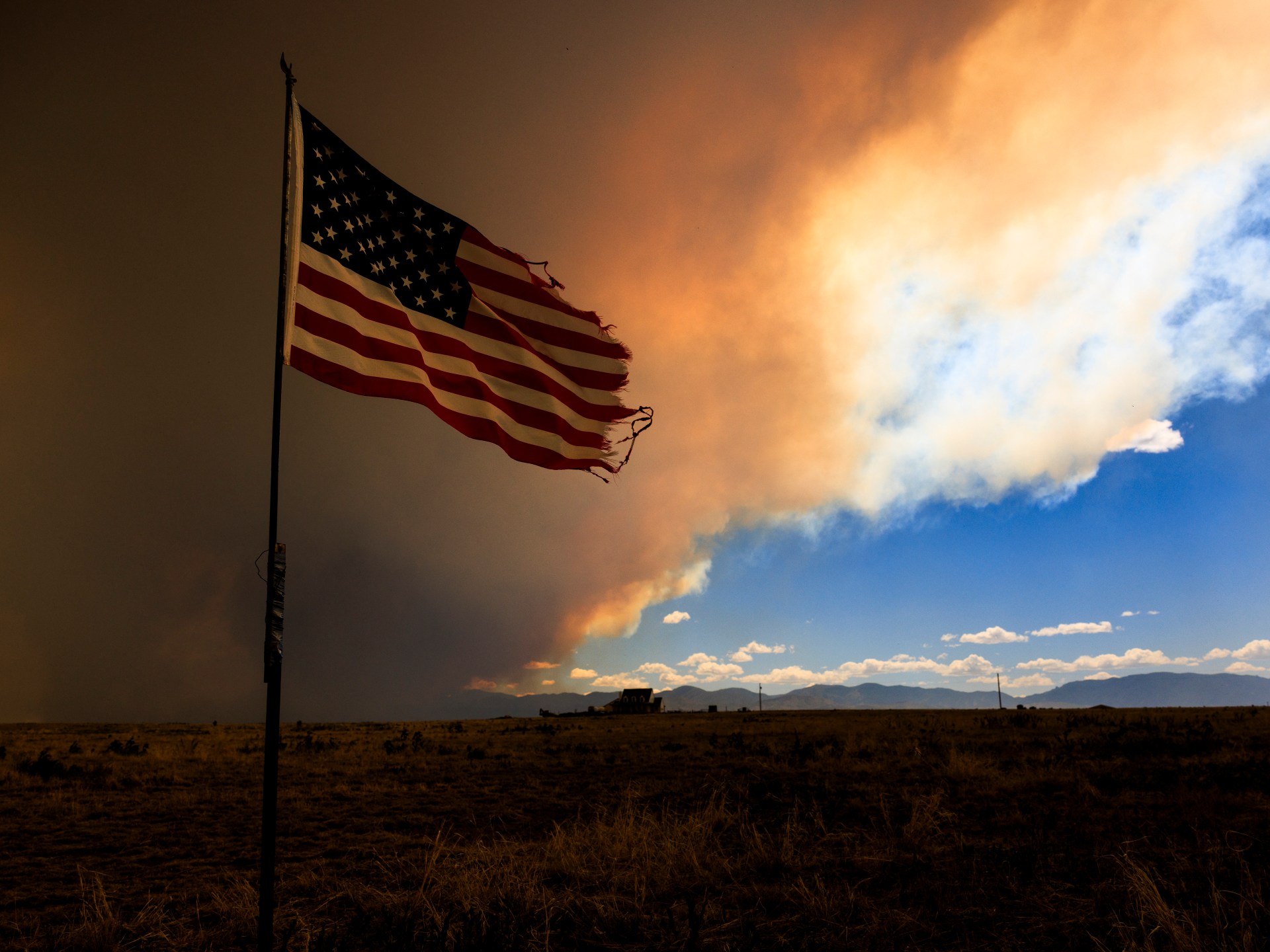
A fast-spreading wildfire in southern Colorado has forced thousands of residents to evacuate and destroyed more than 160 structures, according to Al Jazeera and The Associated Press. The Aspen Acres Fire matters beyond the immediate danger because it is one of dozens of large fires burning across the western United States during hot, dry and windy conditions.
The fire, burning southwest of Denver, grew by 44 square kilometres, or 17 square miles, overnight and reached 272 square kilometres, or 105 square miles, by Friday, Al Jazeera and AP reported. Strong winds continued to push flames through the area.
Authorities ordered about 2,200 people to leave Colorado City, along with residents in Beulah, Rye and San Isabel. Colorado emergency officials also warned that smoke was affecting travel, with visibility along parts of Interstate 25 falling to as little as half a mile, or 0.8 kilometres.
About 50 Colorado National Guard soldiers were sent to Pueblo and Custer counties to staff road checkpoints, Al Jazeera and AP reported. Guard members were also helping keep boats away from Pueblo Reservoir, where aircraft and crews were drawing water to fight the fire.
Investigators have said the Aspen Acres Fire was caused by people, but they have not released further details. Experts cited by Al Jazeera and AP said months of dry weather and record-low snowfall in parts of the region, worsened by climate change, have helped create dangerous wildfire conditions.
Other fires strain the region
The Aspen Acres Fire is part of a broader fire outbreak across Colorado and nearby states. Al Jazeera and AP reported that about 40 large fires were burning across the western United States.
On the western side of the Rocky Mountains, near the Colorado-Utah border, firefighters had contained about 65 percent of the Snyder Fire. In Utah, the Cottonwood Fire had grown to more than 380 square kilometres, or 147 square miles, by Friday, while the Babylon Fire had reached 344 square kilometres, or 133 square miles.
The latest fires follow the deaths of three firefighters less than a week earlier, according to Al Jazeera and AP. Two other firefighters were injured after flames overtook them while they were battling two fires that were part of the Snyder complex.
Warnings affect holiday events
Wildfire smoke advisories were in effect for parts of Colorado, according to state health officials. Fire concerns were also affecting Fourth of July plans, with Colorado’s Division of Fire Prevention and Control saying several professional fireworks displays had been canceled because of extreme fire risk.
Many counties were under fire restrictions as the holiday weekend approached. The National Weather Service kept Red Flag Warnings in place across much of Colorado on Friday, citing hot, dry weather, low humidity and gusty winds that were expected to maintain critical fire conditions.
Forecasters said wetter weather over the weekend could reduce some fire risk. They also warned that heavier rain could raise the threat of flash flooding in areas recently burned by wildfires.
This story draws on original reporting from Al Jazeera.