
China puts 10 US companies under new export controls
Beijing also blocked government procurement from 46 US firms after the Pentagon expanded a list of Chinese companies linked to the military.
By Daniel Okafor · Business Editor
3 min read
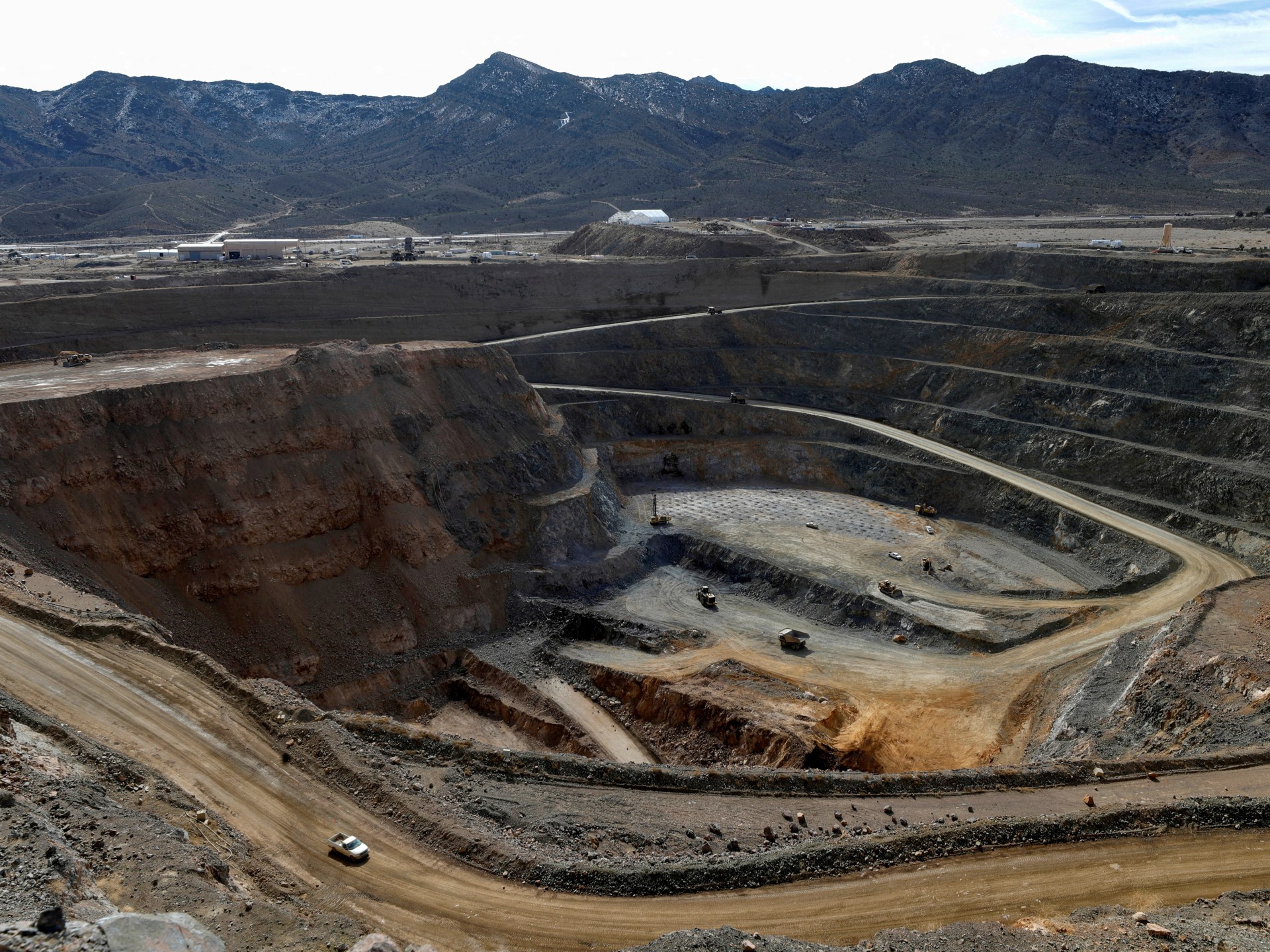
China has placed 10 US companies on an export control list and blocked government purchasing from 46 others, widening the trade and security dispute between the world’s two largest economies. The measures matter because they target rare-earth and defense-related firms as Washington and Beijing expand restrictions tied to national security.
China’s Ministry of Commerce said Monday that Chinese companies may no longer export dual-use goods to the 10 named US firms. Dual-use items can serve civilian purposes but also have military applications.
The companies added to the export control list include MP Materials Corp, which operates a rare-earth mine in Mountain Pass, California, and rare-earth magnet maker USA Rare Earths, according to the ministry announcement reported by Al Jazeera. Other listed firms include US defense contractors involved in aerospace, drones, synthetic-aperture radar, shipbuilding and ship repairs.
The order also applies beyond China’s borders. The Commerce Ministry said foreign entities and individuals may not transfer Chinese-origin dual-use goods to the listed US firms, and it ordered existing export transactions to stop at once.
The ministry said the move was intended to protect China’s national security and interests and to meet international obligations, including non-proliferation commitments.
Procurement ban follows Pentagon move
China’s Ministry of Finance separately barred Chinese government procurement from 46 US companies, according to Al Jazeera. The list includes subsidiaries of major US defense contractors, among them Lockheed Martin, Boeing, General Atomics and General Dynamics.
The finance ministry exempted US-funded companies that are registered locally in China.
The Chinese measures came about two weeks after the Pentagon added roughly 80 Chinese companies and subsidiaries to its list of entities it identifies as Chinese military companies operating in the United States. The Pentagon uses that designation for companies it considers owned or controlled by China’s military, or for civilian firms it says contribute to Chinese military development through military-civil fusion.
The updated US list includes Alibaba Holdings, Baidu and electric vehicle maker BYD, according to Al Jazeera. The designation does not by itself bar US companies from doing business with the named firms, but it can affect US defense contractors and their supply chains.
Nick Marro, global trade lead analyst at the Economist Intelligence Unit, told Al Jazeera the Chinese action fits a pattern of reciprocal responses when Washington increases the use of trade and investment restrictions.
Analysts see broader export-control fight
Cameron Johnson, a China-based supply chain consultant and senior partner at Tidal Wave Solutions in Shanghai, told Al Jazeera that Beijing’s export order resembles US semiconductor controls aimed at restricting China’s access to advanced chips. He said the rules seek to bind organizations and individuals in any country if the goods involved originate in China.
Johnson also said the measures may prove difficult to enforce. Many of the named firms, he told Al Jazeera, have already reduced reliance on China or shifted supply chains elsewhere.
The latest restrictions come after renewed trade tensions under US President Donald Trump, who returned to the White House for a second term last year, according to Al Jazeera. Washington and Beijing imposed escalating tariffs before Trump and Chinese President Xi Jinping reached a trade truce in October, later extended at a May summit in Beijing.
Steve Okun, a Singapore-based geopolitical analyst, told Al Jazeera that recent US action on chip export loopholes and China’s export bans show national security restrictions remain active despite the Trump-Xi diplomatic outreach. He said he expects more export-control and investment actions from both governments.
This story draws on original reporting from Al Jazeera.