
China marks 65 years of its North Korea defence pact
Beijing and Pyongyang are reaffirming a Cold War-era treaty as Russia ties and US alliances reshape regional security.
By Lucas Ferreira · Science & Environment Writer
3 min read
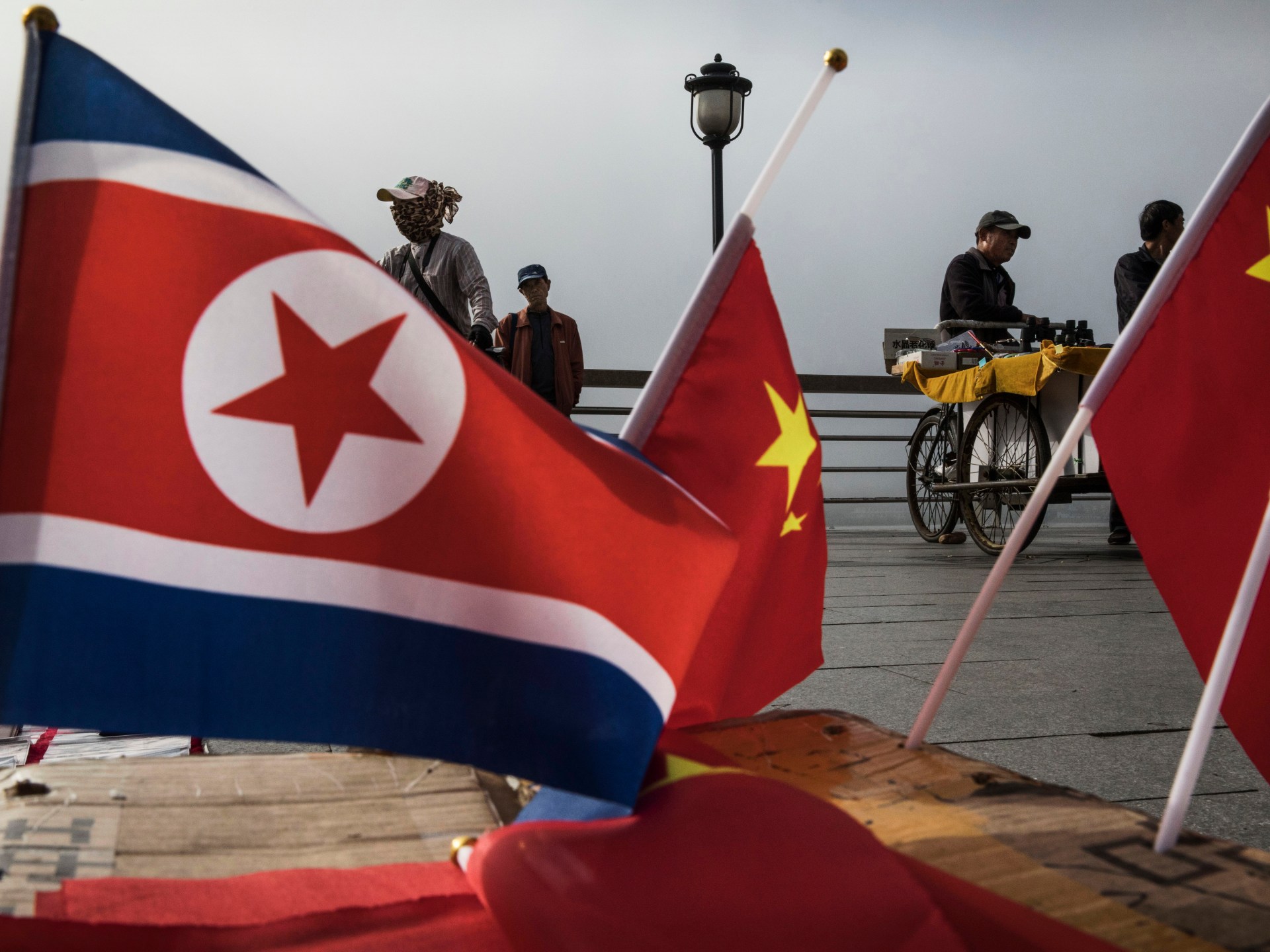
China and North Korea are marking 65 years of a mutual defence treaty that remains central to their security relationship, Al Jazeera reported. The anniversary matters because the pact is still China’s only formal military alliance, even as Pyongyang builds closer ties with Moscow and Beijing tries to avoid instability on its border.
According to Al Jazeera, then Chinese Premier Zhou Enlai and North Korean leader Kim Il Sung signed the Treaty of Friendship, Cooperation and Mutual Assistance in Beijing on July 11, 1961. The agreement includes a clause requiring either side to help the other if it comes under armed attack.
North Korean Premier Pak Thae Song made a three-day visit to Beijing this week for anniversary events, Al Jazeera reported. The visit underlined the treaty’s continuing political value despite major changes in both countries since the Cold War.
A bond built on war and strategic need
Al Jazeera said Chinese officials often describe relations with North Korea as close “as lips and teeth,” while both governments refer to the Korean War-era bond as “sealed in blood.” Beijing entered the war in 1950 after US-led forces moved toward China’s frontier, sending large numbers of troops into North Korea under the label of “volunteers,” according to Al Jazeera.
The two governments share some political positions, including one-party socialist systems, suspicion of Western power and opposition to US forces on the Korean Peninsula, Al Jazeera reported. But their paths diverged sharply after China opened its economy to global trade, foreign investment and private enterprise, while North Korea remained isolated and under heavy sanctions.
Al Jazeera said Beijing’s chief goal is a stable North Korea rather than a more powerful one. China fears that a collapse in Pyongyang could send refugees across their 1,400km border and could lead to a unified Korea aligned with Washington, according to the report.
That concern helps explain China’s mixed approach to North Korea’s weapons programmes, Al Jazeera reported. Beijing has supported some United Nations sanctions over Pyongyang’s nuclear and ballistic missile activity, while resisting pressure that it believes could threaten the North Korean government; China also remains North Korea’s largest trading partner.
Russia changes Pyongyang’s options
North Korea is also trying to avoid full dependence on China, Al Jazeera reported. In 2024, Pyongyang and Moscow signed a comprehensive strategic partnership that included a mutual defence provision, and their military and political ties have since grown.
For North Korean leader Kim Jong Un, Russia offers another major partner and possible access to military technology, energy supplies and hard currency, according to Al Jazeera. For Beijing, the shift can reduce the cost of supporting Pyongyang and add pressure against US influence, but it also risks giving Kim more room to expand his nuclear ambitions.
Al Jazeera reported that China does not want Russia to displace its influence in North Korea. Beijing also sees the wider regional setting pushing it closer to Pyongyang as the United States expands security cooperation with South Korea and Japan.
According to Al Jazeera, Washington, Seoul and Tokyo hold regular joint exercises and share intelligence, while Japan is raising defence spending. South Korea continues to host tens of thousands of US troops, which China views as part of a US-led effort to contain it; North Korea describes such moves as preparations for war.
Al Jazeera said China has become less public in its criticism of North Korea’s nuclear and missile activity. During Xi Jinping’s recent visit to Pyongyang, he did not mention nuclear weapons, according to the report, a sign Beijing may be wary of pushing Kim closer to Russian President Vladimir Putin.
The alliance now rests less on ideology than on shared need, Al Jazeera reported. China wants to show unity with North Korea against US power while avoiding association with actions that have left Pyongyang diplomatically isolated.
This story draws on original reporting from Al Jazeera.